Dynamic structures do not fail quietly. They flex, vibrate, crack, and absorb repeated loads. Repair materials must therefore move with the structure, not merely cover visible damage. This challenge is growing. The American Society of Civil Engineers’ 2021 Infrastructure Report Card estimated a US$2.59 trillion infrastructure investment gap by 2029. The Federal Highway Administration also reports that thousands of American bridges remain in poor condition. These figures strengthen the case for repair systems that tolerate movement, moisture, fatigue, and temperature changes.
Professor Victor C. Li, a University of Michigan expert in engineered cementitious composites, offers a useful foundation: “Concrete is strong in compression but weak in tension.” His work on ductile cement-based composites shows how controlled microcracking can improve deformation capacity without sudden failure. That principle supports the need to Enhance the flexibility of repair materials for dynamic structures. Flexible epoxy systems, fiber-reinforced polymers, polyurethane sealants, and engineered cementitious composites deserve careful comparison in 2026.
However, “flexible” can mislead. A material may stretch impressively in a laboratory test, then lose adhesion beside a vibrating joint. Field preparation matters. Cure conditions matter more than many brochures admit. The best solution depends on crack width, movement range, substrate condition, exposure, and inspection access. ASCE guidance and ACI repair standards provide useful benchmarks, but project evidence remains essential. This review examines performance data, installation risks, service-life expectations, and practical maintenance demands. Some conclusions may remain uncomfortable. The most expensive repair is often the one that looked inexpensive at installation.
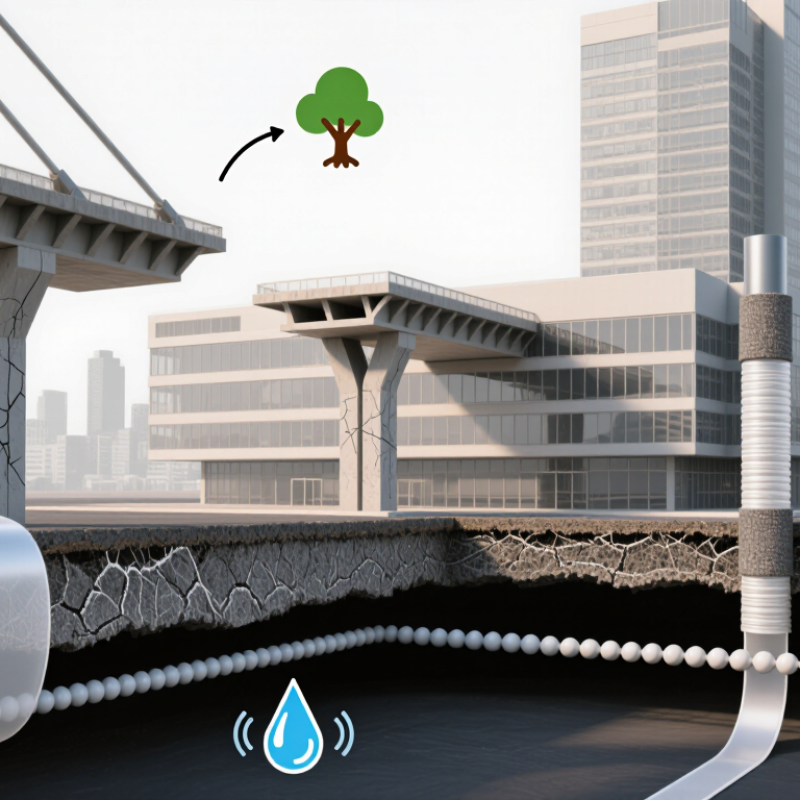
Repairing dynamic structures in 2026 requires more than choosing a soft material. The repair must stretch, recover, and remain bonded during repeated movement. Flexible polyurethane, modified epoxy, silicone-based sealants, and fiber-reinforced elastomer systems each serve different conditions. A bridge joint may need high elongation. A vibrating machine base may need damping and tear resistance. Material selection starts with movement range, load cycles, temperature, moisture, and substrate condition. Guesswork fails quickly.
On site, technicians should compare tensile strength, elongation, compression set, fatigue life, and adhesion data. Cure time matters when rain, dust, or temperature changes interrupt work. A material that feels flexible at 20°C may become brittle near freezing. Another may soften under constant heat. Small test patches expose these weaknesses before full application. Surface preparation remains decisive; even advanced chemistry cannot rescue oil, loose concrete, or hidden corrosion.
Reliable repairs also need inspection records, measured crack movement, and scheduled follow-up. Non-destructive checks can identify debonding before water enters the repair zone. Field inspections have shown promising repairs fail when joints are restrained too tightly. That lesson is uncomfortable. Flexible does not mean unlimited. Designers should allow for imperfect installation, uneven curing, and future movement. Material data should come from controlled testing and field evidence, not advertising claims. The best repair system matches actual motion and realistic working conditions.
Dynamic structures need repairs that move without losing adhesion. Rigid patches often crack when bridges, tanks, façades, or machine frames expand and contract.
Elastomeric sealants remain useful for narrow joints and surface gaps. They stretch repeatedly, then recover through viscoelastic behavior. Moisture-curing formulas can bond to concrete, metal, and masonry when surfaces are clean and dry. Their performance depends heavily on joint width, primer selection, and temperature. Small details matter.
Fiber-reinforced polymer wraps offer a different working principle. Continuous fibers carry tensile loads, while the resin transfers stress across the damaged area. Aramid and glass fibers suit different strength, impact, and temperature requirements. Flexible epoxy systems can fill cracks while tolerating limited movement. They are not truly elastic. That limitation is easy to overlook.
In practical inspections, technicians should measure crack movement before choosing a repair material. A simple displacement gauge can reveal daily changes near expansion joints. Laboratory data helps, but site moisture, dust, and poor mixing may reduce performance. I would also question repairs applied during extreme heat or rain. They may look sound at first. Long-term monitoring remains necessary, especially where vibration, saltwater, or repeated loading is present.
When repairing a vibrating joint, I do not treat flexibility as a single number. A material may stretch well, yet fail under repeated shear. Start by identifying the movement: tension, bending, vibration, or thermal expansion. Then compare tensile strength, elongation, tear resistance, and fatigue performance under realistic cycles. Strength matters. Flexibility matters too.
In field checks, I record joint width before and after movement, surface temperature, and moisture. A simple cyclic test can expose cracking that a one-time pull test misses. Look for data across the expected temperature range, not only at room temperature.
Durability also depends on ultraviolet exposure, water, chemicals, and abrasion. If the repair bonds to concrete, metal, or coated surfaces, compatibility requires separate testing. Clean contact areas, primer response, cure shrinkage, and edge adhesion can change results.
Use a small trial section before full installation. Measure adhesion after curing, then flex the assembly repeatedly. That practical evidence is often more useful than a polished data sheet. I have seen a strong repair fail because the surrounding surface moved more than expected. I have also seen a softer material tear at a sharp edge. My comparison process is not perfect; field loads are rarely uniform. Still, documenting failures improves the next selection. Check repair thickness, cure time, and movement limits during inspection.
Flexible repair materials are becoming essential for structures that expand, contract, vibrate, or shift under load. The best choice depends on movement, exposure, substrate condition, and repair geometry. Engineers should confirm these factors before selecting an elastomeric sealant, flexible membrane, or fiber-reinforced mortar.
On bridges, crews commonly clean cracks, remove loose concrete, and apply a flexible repair layer across the affected zone. Traffic vibration makes surface preparation critical. A small test patch can reveal poor adhesion early. Expansion joints need materials that tolerate repeated opening and closing. For pipelines, applicators should remove corrosion, dry the steel, and wrap the repair evenly around bends and welds. Uneven thickness remains a frequent field problem. It can create weak edges.
Buildings require different methods. Flexible coatings can help protect façade cracks from rain while allowing limited movement. Around windows, joints must remain clean and properly sized. Moving systems, such as equipment housings and transport platforms, need repairs that resist vibration without becoming brittle. Technicians should measure service temperature and expected movement, then verify curing time before returning equipment to operation. In practice, schedules often pressure teams to rush this step. That decision deserves more scrutiny. Inspection records should include surface moisture, application thickness, curing conditions, and photographs. These details support reliable maintenance decisions later.
| Flexible Repair Material | Typical Dynamic Movement Capability | Best-Fit Structures and Locations | Suitable Substrates | Application Method | Typical Surface Preparation | Approximate Service Temperature | Key Advantages | Main Limitations |
|---|---|---|---|---|---|---|---|---|
| Polyurethane Joint Sealant | Medium to high Common grades accommodate approximately ±25% movement; higher-movement grades may accommodate more. |
Bridge expansion joints, building façade joints, parking decks, precast panel joints, and utility penetrations. | Concrete, masonry, metals, coated steel, aluminum, and many prepared plastics. | Gun-applied into a correctly dimensioned joint, normally over a closed-cell backer rod; tooled before skin formation. | Remove laitance, dust, oil, rust, and loose material. Surfaces should be sound, clean, and dry unless the product is specifically moisture-tolerant. | Often about −40°C to +80°C, depending on formulation and exposure. | Good adhesion, abrasion resistance, flexibility, and compatibility with many construction joints. | Moisture-sensitive during cure for some formulations; prolonged ultraviolet exposure may cause color change or surface degradation. |
| Silicone Structural and Weather Sealant | Very high Common movement classes range from approximately ±25% to ±50% or more. |
Glass-to-frame joints, curtain walls, façade perimeter seals, bridge interface joints, and exposed building envelopes. | Glass, anodized or coated aluminum, concrete, glazed ceramics, and selected metals with verified adhesion. | Apply by cartridge or pump to a clean joint; use masking, primer where required, and tooling to achieve continuous contact. | Clean with a compatible solvent or approved cleaner; remove dust and contaminants; perform adhesion testing on unusual substrates. | Commonly about −50°C to +150°C, varying by neutral-cure or other formulation. | Excellent ultraviolet, ozone, weathering, and temperature resistance; maintains elasticity for long periods. | Usually lower paintability than polyurethane; some grades have limited adhesion to porous concrete without primer. |
| Polysulfide Joint Sealant | Medium to high Often designed for approximately ±25% movement. |
Bridge decks, airport pavements, fuel-resistant joints, water-retaining structures, and movement joints exposed to chemicals. | Concrete, masonry, metals, glass, and properly prepared coatings. | Two-component or single-component sealant installed by gun or pump over a backer rod; tooling is required for proper wetting. | Clean and dry the joint; remove laitance and weak concrete; use a compatible primer where specified. | Typically about −40°C to +80°C, subject to the specific system. | Good resistance to fuels, oils, water immersion, and many chemicals; durable in demanding civil infrastructure. | Slower cure than many modern sealants; odor and mixing requirements may affect indoor or confined-space work. |
| Flexible Cementitious Waterproofing Coating | Low to medium Suitable for fine cracks and limited substrate movement; not a substitute for a true movement-joint sealant. |
Basement walls, water tanks, tunnels, bridge substructures, balconies, and concrete areas requiring waterproofing. | Concrete, cement mortar, masonry, and mineral substrates. | Brush, roller, or spray application in two or more coats; reinforce active cracks, corners, and joints with compatible mesh or tape. | Remove contaminants and weak material; dampen absorbent mineral substrates when required; repair voids and sharp edges. | Commonly about −20°C to +70°C after curing, depending on the formulation. | Vapor-permeable options are available; bonds well to damp mineral substrates and provides continuous waterproofing. | Limited resistance to large cyclic movement; curing can be affected by freezing, excessive heat, or premature water exposure. |
| Elastomeric Waterproofing Membrane | High Can bridge distributed cracks and accommodate substantial thermal movement when correctly detailed. |
Roofs, below-grade walls, bridge decks, podium slabs, tunnels, and large-area building envelopes. | Concrete, cement board, masonry, metal decks, and compatible existing membranes. | Roller, squeegee, brush, or spray application; install reinforcement at transitions, penetrations, drains, and known crack zones. | Substrate must be sound, clean, and within the moisture limits of the system; repair honeycombing and remove standing water. | Often about −30°C to +90°C, with higher-temperature systems available. | Provides broad-area crack bridging, waterproofing, and protection against chloride- or moisture-driven deterioration. | Requires careful detailing at terminations and penetrations; puncture resistance and compatibility with traffic toppings must be verified. |
| Polyurea Crack-Sealing and Protective Coating | High Fast-curing systems can accommodate recurring cracks and dynamic surface movement when properly designed. |
Bridge decks, parking structures, industrial floors, secondary containment, pipelines, and high-throughput repair zones. | Prepared concrete, steel, ductile iron, and selected existing coatings. | Plural-component spray equipment is typical; small repair areas may use compatible hand-applied grades. | Abrade or blast-clean as required; remove laitance, corrosion, oil, and moisture beyond the product limit; repair active leaks first. | Frequently about −30°C to +100°C after cure, depending on chemistry and exposure. | Very rapid return to service, seamless application, strong abrasion resistance, and good waterproofing performance. | Requires trained applicators and specialized equipment; bond quality is highly dependent on surface preparation and moisture control. |
| Flexible Epoxy Crack-Injection Resin | Low to medium More flexible than rigid epoxy, but generally not intended for large joint movement. |
Cracked concrete beams, bridge components, slabs, retaining walls, tunnels, and structural members where crack sealing is required. | Concrete and cement-based materials; some systems are compatible with damp cracks. | Install injection ports along the crack, seal the surface, and inject under controlled pressure or by gravity according to crack width and orientation. | Map crack width and depth; remove unsound concrete, dust, and contaminants; stop active water flow before injection. | Often about −20°C to +60°C, depending on the resin system. | Penetrates fine cracks, restores water resistance, and can improve continuity across non-moving cracks. | Not appropriate for joints with significant cyclic opening and closing; crack movement and structural causes must be assessed first. |
| Flexible Fiber-Reinforced Polymer Laminate or Fabric | Medium Provides tensile reinforcement and crack control but does not replace an expansion joint. |
Bridge beams, columns, slabs, seismic strengthening zones, industrial frames, and vibration-prone concrete members. | Concrete, masonry, and steel with a compatible primer or bonding system. | Wet lay-up fabric, precured laminate bonding, or near-surface-mounted installation; consolidate fibers and maintain specified overlap. | Grind or abrasive-blast to a sound profile; round sharp corners; remove dust and verify substrate strength and moisture. | Commonly about −20°C to +60°C for the bonded system; higher temperatures may reduce resin performance. | High strength-to-weight ratio, corrosion resistance, low added mass, and efficient installation in restricted areas. | Performance depends on bond-line quality, anchorage, fire protection, and temperature; engineering design is required. |
| Viscoelastic Pipe and Joint Sealing Compound | High Remains deformable and can accommodate settlement, vibration, and small joint irregularities. |
Buried pipelines, pipe couplings, manholes, service penetrations, tank interfaces, and irregular pipe-to-structure transitions. | Concrete, ductile iron, steel, PVC, HDPE, and other substrates subject to compatibility testing. | Apply by hand, trowel, cartridge, or preformed strip around the joint; compress with a wrap, clamp, or protective outer layer as designed. | Remove soil, grease, loose rust, and standing water where required; ensure adequate contact area and compression. | Often about −30°C to +70°C, depending on the compound. | Accommodates irregular geometry, resists water migration, and is useful where rigid grouts would crack under settlement. | May require mechanical protection; unsuitable for unsupported gaps or high-pressure service unless specifically engineered. |
| Elastomeric Bearing Pad or Strip | High under compression Designed for repeated compression, rotation, and limited horizontal translation. |
Bridge bearings, machinery supports, pipe supports, modular buildings, and vibration-isolation interfaces. | Concrete, steel sole plates, precast elements, and prepared support surfaces. | Install as a preformed component on level, clean, and correctly dimensioned bearing surfaces; use shims or leveling systems only when designed. | Check flatness, elevation, bearing pressure, contact area, and drainage; remove debris and repair spalled support zones. | Commonly about −40°C to +70°C for standard elastomers; verify grade for higher temperatures, oils, or ozone exposure. | Controls vibration and accommodates rotation or movement without wet curing or lengthy site installation. | Requires accurate load and movement calculations; overloading, uneven contact, ozone, oil, or excessive heat can shorten service life. |
Selection note: The movement ranges and temperature values are typical industry ranges, not universal product ratings. Final selection should be based on measured joint movement, crack activity, substrate condition, chemical exposure, pressure, fire requirements, installation temperature, and the applicable project specification or standard.
By 2026, flexible repair materials should be judged by movement tolerance, bond strength, fatigue life, and installation conditions. Field engineers should test repaired joints through repeated loading, not rely on tensile strength alone. A material may stretch well yet peel under moisture, dust, or thermal cycling.
The U.S. Federal Highway Administration’s 2024 National Bridge Inventory reports that about 42% of bridges are at least 50 years old. This aging stock increases demand for rapid, adaptable repairs. Fiber-reinforced polymers, elastomeric membranes, flexible sealants, and polymer-modified cementitious systems offer practical options. Selection still depends on crack width, traffic vibration, substrate moisture, and expected temperature changes. ASTM testing can compare adhesion and durability, but laboratory results rarely reproduce every site condition. That gap matters.
Limitations remain uncomfortable. Some polymers lose flexibility after ultraviolet exposure or repeated freezing. Cement-based systems may crack when structural movement exceeds their strain capacity. Repair crews also need clear surface preparation rules and realistic curing windows. Future materials may combine self-healing polymers, embedded sensing, and recyclable reinforcement. Industry forecasts from MarketsandMarkets project strong growth in self-healing materials through the decade, but field evidence remains limited. The promising option is not always the safest one. Trial sections, inspection records, and post-repair monitoring should guide final approval.
Bridges, tanks, façades, and machine frames expand and contract. Rigid patches may crack or detach. Flexible materials follow limited movement while retaining adhesion.
They stretch across narrow joints and surface gaps. Their viscoelastic behavior helps them recover after repeated movement. Clean, dry surfaces improve bonding.
Joint width, primer choice, temperature, moisture, and surface cleanliness all matter. A small preparation error can create a large failure later. Details matter.
Continuous fibers carry tensile loads around damaged areas. Resin transfers stress between the fibers and the structure. Glass and aramid fibers suit different strength and temperature needs.
No. They can fill cracks and tolerate limited movement, but they are not truly elastic. This limitation is easy to overlook.
They should record crack movement before selecting materials. A displacement gauge can show daily changes near expansion joints. Guesswork remains risky.
Dust, moisture, poor mixing, extreme heat, and rain can weaken the repair. The surface may look sound at first. That appearance can mislead.
Engineers should use repeated loading, visual inspections, and recorded movement data. Monitoring is important near vibration, saltwater, or frequent traffic. The choice can still be wrong.
Ultraviolet exposure and freezing may reduce polymer flexibility. Cement-based systems can crack when movement exceeds their strain capacity. Curing windows also need realistic planning.
Future systems may combine self-healing polymers, embedded sensors, and recyclable reinforcement. These ideas are promising, but field evidence remains limited. Trial sections should come first.
Repairing dynamic structures in 2026 requires materials that can withstand repeated movement, vibration, temperature changes, moisture, and mechanical stress without losing their bond or protective function. The most promising flexible repair materials include elastic polymers, fiber-reinforced compounds, flexible grouts, and adaptable sealants. Their performance depends on how effectively they balance tensile strength, flexibility, fatigue resistance, durability, curing behavior, and compatibility with concrete, steel, masonry, composites, and existing coatings. A key development goal is to Enhance the flexibility of repair materials for dynamic structures while maintaining reliable load transfer and long-term protection.
Selection should reflect the structure’s movement range, environmental exposure, repair area, installation conditions, and expected service life. Bridges may require vibration-tolerant joint and surface systems, while pipelines need materials that resist pressure, corrosion, and thermal expansion. Buildings and moving mechanical systems demand strong adhesion with controlled elasticity. Although flexible materials can improve resilience, they may face limitations such as lower compressive strength, difficult surface preparation, aging, or complex curing requirements. Future solutions are likely to combine adaptive polymers, reinforcing fibers, and smart monitoring technologies for more durable and efficient repairs.

Shengchuang Building