Concrete repairs are essential for maintaining structural integrity. However, achieving a strong bond between repair materials and existing concrete can be challenging. It requires careful attention to detail and a clear understanding of best practices. To enhance the bonding strength between repair materials and existing concrete, one must consider factors such as surface preparation, material selection, and application techniques.
Proper surface preparation is crucial. Clean the area thoroughly to remove dust, grease, and old repair materials. This step creates a suitable surface for the new material to adhere to. Additionally, selecting the right repair material is vital. Not all materials bond well with concrete, so choosing high-quality products designed for specific applications is key. Remember, these small decisions can significantly impact the repair's overall success.
Applying the repair material correctly also plays a significant role in bonding strength. Mix and apply according to manufacturer's instructions. Taking the time to handle each step with precision may feel tedious, but it offers long-lasting benefits. Reflecting on previous projects will help identify areas for improvement in your technique, ultimately leading to more effective repairs.
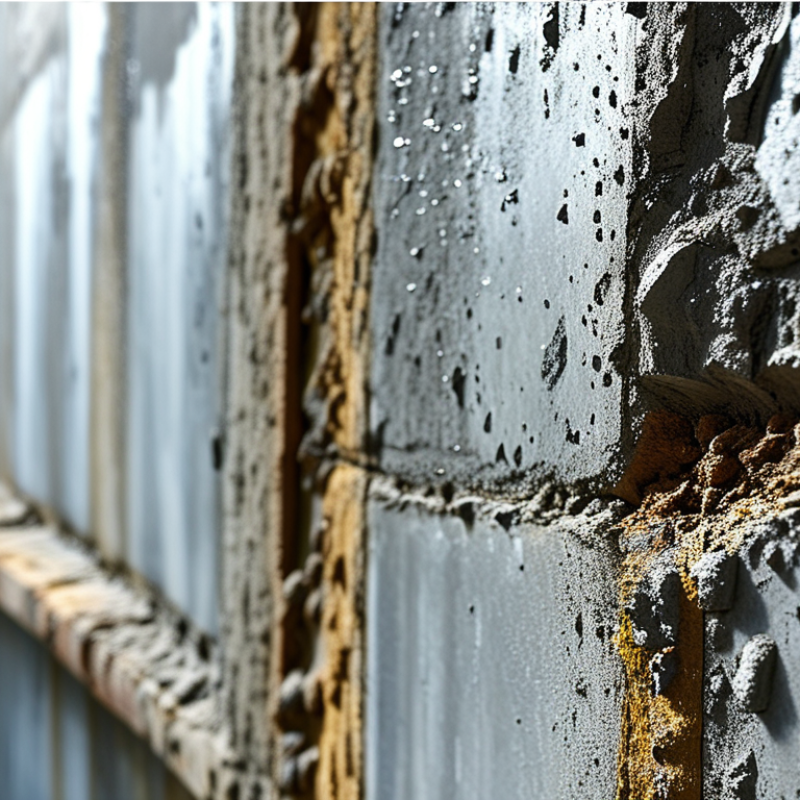
Bonding strength is a critical factor in concrete repairs. Understanding this concept helps in ensuring durability and longevity. A study by the American Concrete Institute indicated that effective bonding can enhance repair performance by up to 50%. This statistic demonstrates the importance of reliable bonding techniques.
Surface preparation greatly affects bonding strength. Clean, rough surfaces provide a stronger grip for repair materials. A report from the International Concrete Repair Institute noted that improper surface treatment can lead to failures in over 30% of repair jobs. A suitable technique can dramatically increase bond strength. Moistening surfaces before applying repair compounds has proven effective. However, over-saturation can weaken bond strength, leading to failure.
Additionally, selecting the right repair material is crucial. Certain materials are designed to achieve superior bonding. Research has shown that materials with high tensile strength can improve longevity. Emphasizing the correct application process is essential; errors can negate any advantages gained from the chosen materials. Balancing these factors can be challenging, but it is vital for successful concrete repairs.
When considering concrete repairs, selecting the right materials is crucial for ensuring optimal bonding strength. The type of repair material can significantly impact the durability and effectiveness of the fix. A well-chosen material can create a strong bond that withstands environmental challenges. It’s essential to match the repair material to the type of concrete and the specific conditions it will face.
Different repair materials serve various purposes. For example, epoxy and polyurethane offer excellent adhesion and flexibility, making them suitable for dynamic conditions where movement occurs. In contrast, some cement-based materials work better for static applications, although they may require additional bonding agents to improve adhesion. Testing small samples can help identify the best material for your project. It’s essential to read product specifications and ensure compatibility with existing concrete.
Don't overlook the importance of surface preparation either. Proper cleaning and priming of the concrete surface enhance bond strength. Neglecting surface imperfections, like cracks or dust, can jeopardize your repair efforts. Pay attention to curing times as well; rushing can lead to failure. Reflect on your previous repair work and see where material selection or surface preparation could improve future projects.
Surface preparation plays a crucial role in enhancing the bonding strength of concrete repairs. A clean surface is vital. Dust, dirt, and old coatings weaken adhesion. To begin, you should thoroughly clean the area. Use a wire brush or power wash to remove debris. Ensuring the surface is dry is equally important. Moisture can disrupt the bond, so aim for a completely dry area before proceeding.
Another technique involves roughening the surface. A smooth surface may look good, but it won't hold repairs well. Use a grinder or chisel to create some texture. This method creates more surface area for the adhesive to grab onto. Be mindful to avoid deep scratches, as they can cause weak points in the repair.
Each repair site may present unique challenges. Evaluate the condition of the substrate carefully. Look for cracks or signs of degradation. Address these issues before applying any repair material. Take the time to prepare. A little effort in surface preparation can significantly impact the durability and effectiveness of your concrete repairs.
When repairing concrete, the application method greatly influences bonding strength. Clean the surface thoroughly. Any dirt or debris can weaken the bond. Use a wire brush or pressure washer for this task. Ensure the surface is completely dry before applying any bonding agents. This step is crucial for achieving optimal results.
Consider using a bonding agent. These agents create a chemical connection between new and old concrete. Apply it with a roller or brush, ensuring an even layer. This will enhance adhesion and support the repair process. Allow the bonding agent to cure as per the instructions. Patience here pays off.
Contour the repair material to match the existing surface. This improves mechanical interlock and helps prevent delamination. Sometimes, repairs require roughing up the edge of the old concrete. This adds texture, which can enhance the bond. Always take time to assess the bond’s performance after the repair. This reflection can guide future efforts and ensure longevity.
| Tip | Description | Application Method | Expected Improvement |
|---|---|---|---|
| 1. Surface Preparation | Ensure surfaces are clean and free of debris. | Use pressure washing or sandblasting. | Increases adhesion by up to 30%. |
| 2. Moisture Control | Control moisture levels before applying repairs. | Check and adjust ambient conditions. | Enhances bond quality significantly. |
| 3. Choose the Right Repair Material | Select materials compatible with existing concrete. | Consult product specifications. | Can improve bond strength by about 25%. |
| 4. Apply in Layers | Use multiple thin layers for repairs. | Layer application technique. | Enhances bonding as layers cure. |
| 5. Proper Curing Time | Allow proper curing time for the best adhesion. | Follow manufacturer’s guidelines. | Maximizes bond strength effectively. |
When it comes to concrete repairs, the curing process plays a crucial role in bonding strength. The right practices can significantly enhance the durability and integrity of the repair. During curing, moisture retention is vital. A dry environment can compromise the repair, leading to weaknesses. Consider covering the area with wet burlap or plastic sheeting. This simple step can help maintain optimal moisture levels.
Temperature can also affect curing. Ideal conditions involve moderate temperatures. Extreme heat can lead to rapid drying, while cold can slow down hydration. Monitoring the curing environment is essential for achieving the desired strength. Additionally, be mindful of the curing duration. Many repairs require a minimum curing time of seven days. Cutting corners here can yield subpar results, resulting in cracks or delamination.
Reflecting on various concrete repair projects, some commonly disregarded practices often lead to failures. Rushing the curing process proves detrimental. Inexperience or a lack of awareness regarding ambient conditions can also contribute to poor bonding. Even seasoned professionals can overlook these aspects. Therefore, regular evaluation and adjustment of curing techniques are essential for long-lasting repairs. Emphasizing proper curing can lead to significant improvements in repair performance.
: The right repair material ensures strong bonding and improves durability against environmental challenges.
Epoxy and polyurethane offer excellent adhesion and flexibility for dynamic conditions, while cement materials work better for static applications.
Proper cleaning and priming of the surface enhance bond strength and prevent failure of the repair.
Use a wire brush or power wash to remove dust and debris from the surface.
Moisture disrupts the bond, so ensure the surface is completely dry before applying repairs.
Create texture to increase surface area, but avoid deep scratches that can weaken the repair.
Look for cracks or degradation signs and address them before applying repair materials.
Yes, rushing can jeopardize bond strength and cause repair failure, reflecting on past experiences can help avoid issues.
Ignoring surface imperfections like dust or cracks often leads to poor adhesion in repairs.
Regular testing of small samples can help identify the best materials, ensuring future repairs are successful.
To enhance the bonding strength between repair materials and existing concrete, it is crucial to understand the various factors that influence adhesion in concrete repairs. First, selecting the right repair materials tailored for the specific application can significantly impact the effectiveness of the bond. Proper surface preparation is equally important; techniques such as cleaning, roughening, and moistening the substrate promote better adhesion.
Furthermore, employing effective application methods, such as using appropriate mixing and application tools, can boost bonding efficiency. Finally, adhering to proper curing practices is essential to maximize the repair strength and durability, allowing the bond to develop fully over time. By following these tips, one can greatly enhance the bonding strength between repair materials and existing concrete, ensuring long-lasting and effective repairs.

Shengchuang Building