Enhance Chemical Resistance of Epoxy Resins for Industrial Floors?

Time:2026-06-04 Author:Oliver
0%

Enhancing chemical resistance of epoxy resins for industrial floors is crucial for durability and safety. Industrial floors often face harsh environments that can compromise material integrity. According to a recent industry report by the Polymer Technology Association, up to 30% of flooring failures in manufacturing facilities arise from inadequate chemical resistance.

Dr. Emily Carter, a renowned materials scientist, emphasizes the need for improvement. She states, "To enhance chemical resistance of epoxy resins for industrial floors, we must leverage advanced formulations." Commercially available products are often limited in their protective capabilities. Many epoxy systems can degrade when exposed to aggressive chemicals like strong acids and solvents.

There is a significant gap between current products and the demands of modern industries. While some resins perform well, they may not withstand specific chemicals over time. Continuous innovation is essential to push boundaries and create more robust flooring solutions. This pursuit for enhanced chemical resistance can lead to longer-lasting installations, reducing maintenance costs and downtime.
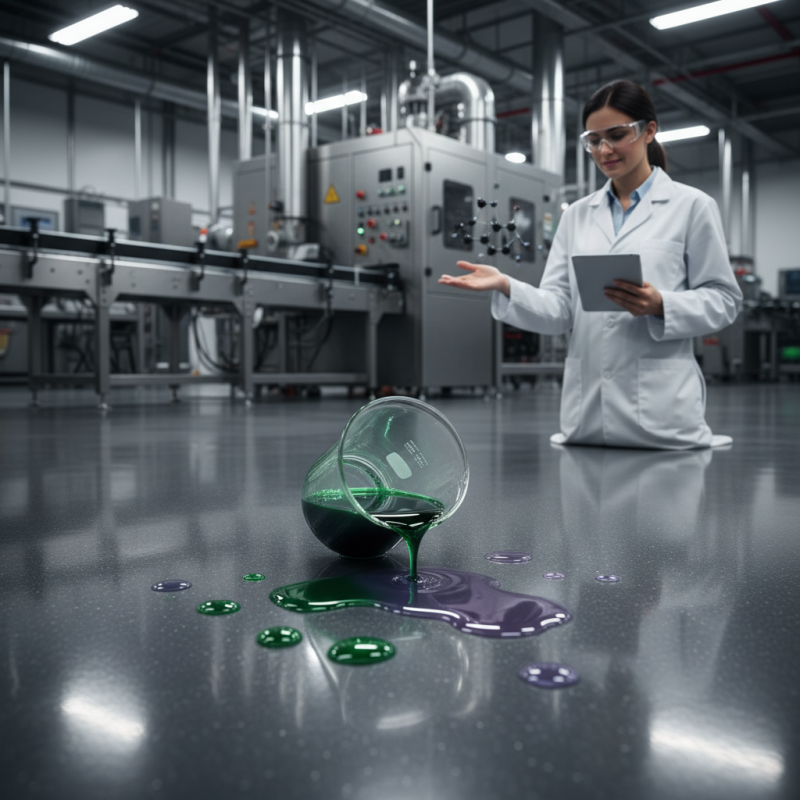
Enhance Chemical Resistance of Epoxy Resins for Industrial Floors?

Advantages of Enhanced Chemical Resistance in Industrial Epoxy Floors

Enhanced chemical resistance in industrial epoxy floors offers significant advantages. In environments where floors are frequently exposed to harsh chemicals, durability is crucial. A study from the National Institute of Standards and Technology shows that enhanced chemical resistance can extend the lifespan of flooring by 30% or more. This longevity means lower replacement costs and reduced downtime for businesses.

Moreover, improved chemical resistance minimizes the risk of surface degradation. Industries such as manufacturing and automotive heavily rely on durable flooring. Reports indicate that more than 40% of workplace accidents stem from slips and falls due to floor deterioration. Better chemical resistance can reduce this risk, promoting safety and productivity.

However, enhancing chemical resistance is not without challenges. The process often involves higher initial costs. The complexity of modifying resin formulations may pose hurdles for manufacturers. Balancing cost and quality is essential. While the long-term benefits are clear, short-term investments can cause hesitation among some businesses. Finding the right solution requires careful consideration and expertise in materials science.

Enhance Chemical Resistance of Epoxy Resins for Industrial Floors - Advantages of Enhanced Chemical Resistance in Industrial Epoxy Floors

Property Standard Value Enhanced Chemical Resistance Benefits
Chemical Resistance Index 3.5 5.0 Increased durability and lifespan
Impact Resistance (IJ) 40 60 Reduced maintenance costs
Adhesion Strength (MPa) 2.0 3.5 Better adhesion to substrates
Resistance to Chemicals Moderate High Enhanced safety in industrial environments
Temperature Resistance (°C) 60 100 Resistance to thermal shock

Key Chemical Agents and Their Impact on Epoxy Resin Performance

The choice of chemical agents is crucial for enhancing epoxy resin performance in industrial floors. Different substances interact with epoxy in various ways. Acids can cause significant degradation. They attack the molecular structure, leading to cracks and discoloration.

Solvents play a dual role. Some can facilitate application, while others weaken the epoxy. Cleaning agents often contain solvents that could compromise the resin’s bond. The impact is sometimes overlooked. The right selection is pivotal to ensure longevity and durability.

It’s essential to test epoxy in the specific environment where it will be used. Real-world conditions may differ from laboratory settings. Continuous exposure to certain chemicals might lead to unexpected results. Regular assessments can help identify weaknesses and areas for improvement. Balancing chemical resistance with other performance aspects is never straightforward. There’s always room for refinement.

Innovative Additives to Improve Chemical Resistance in Epoxy Resins

Innovative additives have emerged as a game changer in enhancing the chemical resistance of epoxy resins for industrial floors. Recent industry reports highlight that conventional epoxy resins often struggle with exposure to harsh chemicals. This limitation can lead to premature deterioration and increased maintenance costs. For example, a study by the American Institute of Chemical Engineers found that epoxy coatings without advanced additives can lose up to 40% of their integrity in chemical-laden environments.

By incorporating specialized additives, manufacturers can significantly boost the performance of epoxy resins. These additives are designed to bolster the resin's ability to resist corrosion and withstand chemical exposure. Some additives create a barrier that repels harmful substances. Other formulations aim to improve adhesion and flexibility, which is vital in high-traffic industrial settings. According to a 2022 report by the International Journal of Industrial Coatings, floors treated with advanced epoxy formulations experience 30% longer lifespans compared to standard coatings.

However, not all additives perform equally. The choice of materials and their compatibility with epoxy resins must be carefully evaluated. Inconsistent results can harm overall effectiveness, leading to unexpected failures. Therefore, ongoing research into the best formulations is essential for producing optimized epoxy floors that can handle the rigorous demands of industrial use.

Comparative Analysis of Traditional vs. Enhanced Epoxy Resin Formulations

In recent years, industrial flooring has faced increasing challenges. Chemical spills and wear can degrade traditional epoxy resins. Consequently, this has led to a need for enhanced formulations. Enhanced epoxy resins often incorporate additive technologies to improve durability and resistance. These formulations can withstand harsher chemicals than traditional methods.

Comparative analysis reveals key differences in performance. While traditional epoxy resins provide decent protection, their limitations become apparent under extreme conditions. Enhanced formulations feature advanced crosslinking. This can result in greater elasticity and less cracking. Also, they may channel lower maintenance costs in the long run. Nevertheless, some professionals question whether the enhanced products always justify the increased cost.

Moreover, practical applications vary. In some settings, traditional epoxy still finds utility. They are easier to apply and require less specialized training. Enhanced formulations often need more precise handling. This can be a challenge for contractors. Exploring both sides provides valuable insight. There is no one-size-fits-all solution for industrial flooring. Each project requires careful analysis of conditions and expected use.

Case Studies: Successful Applications of Chemical-Resistant Epoxy Floors

In various industrial settings, chemical-resistant epoxy floors are gaining prominence. Companies have reported significant improvements in durability and performance after implementing these specialized flooring solutions. For instance, in a food processing facility, an upgraded epoxy floor with enhanced chemical resistance successfully endured spills from various cleaning agents and acids. This transformation led to a safer and more hygienic environment, which was crucial for regulatory compliance.

Another case study highlights a manufacturing plant where chemical exposure was a significant concern. Here, a tailored epoxy formulation resisted aggressive solvents that previously damaged traditional flooring. This upgrade not only lowered maintenance costs but also improved employee safety. Workers reported fewer slips and falls, which created a more productive workspace.

Tips: When considering epoxy floors, it's vital to assess the specific chemicals present in your environment. Ensure that you consult with experts to choose the right formulation. Understand that even the best materials can require maintenance. Regular inspections can prevent unforeseen issues and extend the life of your flooring system. Factors like temperature and substrate condition are essential to remember during installation.

FAQS

: Why is the choice of chemical agents important for epoxy resin performance?

: The choice affects durability and longevity. Different substances interact uniquely with epoxy, influencing its integrity.

How do acids impact epoxy resin?

Acids can degrade the epoxy, causing cracks and discoloration. They attack the molecular structure significantly.

What role do solvents play in epoxy application?

Solvents can help with application but may also weaken the resin's bond. This dual role requires careful consideration.

Why should epoxy be tested in real-world conditions?

Laboratory tests may not reflect actual environments. Continuous exposure can lead to unexpected performance issues.

What are innovative additives in epoxy resins?

They enhance chemical resistance and performance. These additives improve adhesion, flexibility, and protect against corrosion.

How do advanced epoxy formulations benefit industrial floors?

They can extend the lifespan of flooring by up to 30%. This reduces maintenance costs and improves overall durability.

What must be considered when selecting additives for epoxy?

Compatibility with epoxy resins is crucial. Inconsistent results can occur, leading to potential failures.

What improvements have been observed in case studies of epoxy floors?

Companies report enhanced durability, safety, and regulatory compliance after upgrading to chemical-resistant epoxy.

What tips should be followed when considering epoxy floors?

Assess local chemicals and consult experts. Regular inspections and maintenance can prevent unforeseen issues.

What environmental factors should be remembered during installation?

Temperature and substrate condition are essential. Proper conditions can influence the success and longevity of epoxy.

Conclusion

The article "Enhance Chemical Resistance of Epoxy Resins for Industrial Floors" explores the critical advantages of improving the chemical resilience of epoxy flooring systems used in industrial environments. Enhanced chemical resistance is essential for prolonging the lifespan of flooring materials and maintaining safety standards in workplaces exposed to various chemical agents. By examining key chemicals that affect epoxy resin performance, the article highlights innovative additives that can be incorporated into formulations to significantly bolster their resistance to harsh substances.

Furthermore, a comparative analysis reveals the effectiveness of traditional epoxy formulations versus enhanced options, demonstrating the benefits of upgraded materials in practical applications. Through detailed case studies, the article showcases successful implementations of chemical-resistant epoxy floors, emphasizing their superior performance in challenging industrial settings. This exploration serves as a comprehensive guide for industry professionals looking to enhance chemical resistance in epoxy resins for industrial floors, ultimately contributing to safer and more durable work environments.

Oliver

Oliver

Oliver is a seasoned marketing professional with a wealth of expertise in driving brand awareness and engagement. With a deep understanding of our company's product offerings, he consistently delivers high-quality content that enriches our professional blog. His insights not only shed light on......