How to Enhance Wear Resistance of Industrial Floors with Epoxy Coatings?

Time:2026-06-25 Author:Amelia
0%

Enhancing the wear resistance of industrial floors with epoxy coatings is essential for maintaining durability and safety in high-traffic environments. Epoxy coatings provide a strong protective layer that withstands heavy loads and frequent impacts. Industries such as manufacturing, warehousing, and automotive benefit greatly from these coatings, as they significantly extend the lifespan of flooring materials.

However, achieving optimal results requires careful consideration of application techniques and material selection. Many companies overlook crucial preparation steps, which can lead to premature wear or failure. Understanding how to apply epoxy correctly is vital for long-term performance. Even minor mistakes can result in costly rework and downtime.

Evaluating the suitability of different epoxy products based on the specific industrial application is necessary. Not all epoxy coatings are created equal, and the wrong choice may not provide the desired wear resistance. Engaging with professionals who have extensive experience in industrial flooring can further enhance outcomes. Constantly reflecting on the application process and results can lead to improvements. Ultimately, knowing how to enhance the wear resistance of industrial floors with epoxy coatings will drive efficiency and productivity.
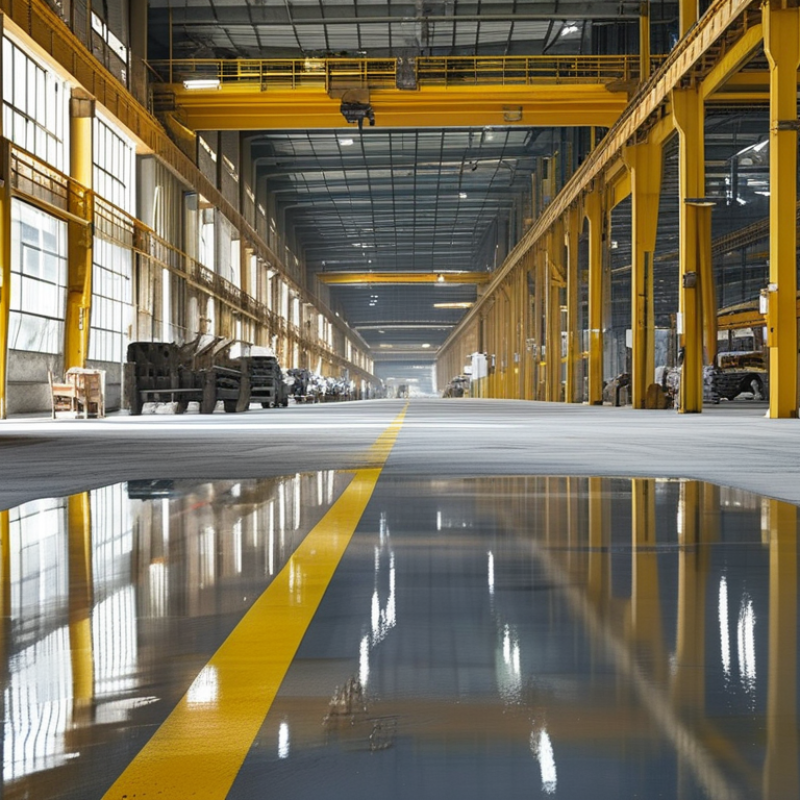
How to Enhance Wear Resistance of Industrial Floors with Epoxy Coatings?

Understanding Wear Resistance in Industrial Flooring Materials

Wear resistance is crucial in industrial flooring. It determines how well a floor can withstand heavy foot traffic, machinery, and spills. Epoxy coatings significantly boost this durability. They form a robust layer that protects the underlying concrete, reducing wear from abrasion and impact.

Understanding wear resistance involves assessing material properties. Epoxy has inherent qualities that improve toughness and resilience. However, not all epoxy coatings are equal. Some may perform poorly under specific conditions. Factors like moisture levels, temperature, and the type of traffic play a role in effectiveness. Regular maintenance can further enhance wear resistance. Neglecting this can lead to premature wear and costly repairs.

It's essential to consider the environment where the flooring will be used. For instance, a wet area may require specific additives to improve grip. Epoxy coatings can crack under extreme pressure if not applied correctly. Thus, it is crucial to follow best practices during application. Evaluating these factors leads to the optimal durability of industrial floors.

Benefits of Epoxy Coatings for Enhanced Floor Durability

Epoxy coatings are becoming a popular choice for industrial floors due to their durability and resistance. They provide a tough surface that withstands heavy loads and impacts. These coatings can protect against chemicals, stains, and abrasions. This feature makes them suitable for warehouses and manufacturing facilities.

One major benefit of epoxy coatings is their seamless finish. This means there are no joints where dirt can accumulate. A smooth surface is easier to clean, improving hygiene in food processing or medical facilities. However, it's important to note that applying epoxy requires careful surface preparation. Improper application can lead to peeling or bubbling, affecting the floor’s appearance and performance.

Another aspect to consider is the variety of finishes available. Epoxy can be customized with colors and textures to enhance safety and aesthetics. Despite these advantages, improper installation can lead to costly repairs. Hence, relying on experienced professionals is crucial. Their expertise ensures a long-lasting and effective flooring solution, maximizing the benefits of epoxy coatings while minimizing potential issues.

Application Techniques for Optimal Epoxy Bonding and Performance

When it comes to epoxy bonding, surface preparation is crucial. A clean, dry, and well-prepared substrate ensures better adhesion. Begin by thoroughly cleaning the floor to remove dust and grease. Using a grinder or shot blaster can help achieve an ideal texture. The goal is to create a profile that allows the epoxy to adhere effectively. Neglecting this step often results in bonding issues.

Mixing the epoxy components accurately is another essential factor. Follow the manufacturer's guidelines precisely. Incorrect ratios can lead to weak spots. This often manifests as bubbling or peeling over time. Consider environmental conditions too. High humidity can interfere with curing, affecting the epoxy's final strength.

Application techniques also play a significant role. Use a squeegee for even distribution of the epoxy. Roller use can help eliminate air bubbles. However, avoid overworking the material, as this can compromise its integrity. Pay attention to the temperature during application. Ideal conditions enhance the overall performance and longevity of the floor. Regular inspections after installation are advisable. Monitoring will help identify any shortcomings early on.

Factors Influencing the Longevity of Epoxy Coatings on Floors

The longevity of epoxy coatings on industrial floors is influenced by several key factors. One major aspect is the surface preparation prior to application. A well-prepared surface allows for better adhesion, which is crucial for durability. According to industry reports, improper surface preparation accounts for up to 30% of coating failures.

Another vital factor is the environmental conditions during application and curing. For instance, humidity levels above 85% can significantly affect the curing process. As a result, coatings may not achieve their optimal hardness. Research indicates that lower humidity levels lead to stronger bonds and longer-lasting floors.

**Tip:** Always monitor environmental conditions before applying epoxy. It is advisable to choose application days with low humidity and stable temperatures.

Moreover, the thickness of the epoxy layer also plays a role in wear resistance. Coatings that are too thin may not withstand heavy traffic. Industry standards suggest a minimum thickness of 3 to 4 mm for high-traffic areas. Yet, applying too thick a layer can lead to cracking. Each project requires careful consideration of thickness based on usage.

**Tip:** Conduct site evaluations to determine the correct coating thickness needed for different areas. This can help prevent premature wear and reduce maintenance costs.

Factors Influencing the Longevity of Epoxy Coatings on Floors

This chart illustrates the five key factors influencing the longevity of epoxy coatings on industrial floors. The ratings (from 1 to 10) indicate the level of influence each factor has, with higher values reflecting greater impact.

Maintenance Tips to Maximize the Lifespan of Epoxy-Coated Industrial Floors

To maintain epoxy-coated industrial floors, regular maintenance is crucial. Start by sweeping daily to remove dust and debris. This prevents scratches and ensures a cleaner surface. Consider using a microfiber mop with a diluted pH-neutral cleaner for deeper cleaning.

Routine inspections are essential. Check for any signs of wear or damage, such as chips or cracks. Addressing minor issues promptly can prevent more extensive repairs. If you notice discoloration, it might indicate a need for reapplication.

Moisture can compromise epoxy's integrity. Always clean up spills immediately to prevent staining. Use coasters or mats in high traffic areas to minimize wear. Remember, prevention is key. Investing time in maintenance prolongs the life of your floors significantly.

How to Enhance Wear Resistance of Industrial Floors with Epoxy Coatings?

Tip Description Frequency Benefits
Regular Cleaning Sweep and mop floors to remove dirt and debris. Daily Prevents scratches and wear.
Use Mats Place floor mats in high-traffic areas. Continuous Reduces impact and scratches.
Avoid Harsh Chemicals Use pH-neutral cleaners for maintenance. As needed Prevents damage to the epoxy finish.
Periodic Inspections Check for signs of wear or damage. Monthly Identifies issues before they worsen.
Re-coating Apply a new layer of epoxy after wear. Every 3-5 years Restores protective properties and aesthetics.

FAQS

: What are the main benefits of epoxy coatings for flooring?

: Epoxy coatings offer durability, resistance to chemicals, and a tough surface that withstands heavy loads and impacts.

How does surface preparation affect epoxy coatings?

Proper surface preparation is crucial. A clean, dry floor ensures better adhesion and prevents issues like peeling or bubbling.

Can epoxy coatings be customized?

Yes, epoxy can be tailored with various colors and textures to enhance aesthetics and safety.

Why is professional installation important for epoxy coatings?

Experienced professionals maximize benefits and minimize costly repairs due to improper installation.

What environmental conditions should be monitored before applying epoxy?

Humidity levels and temperature are vital. High humidity can interfere with curing, weakening the epoxy.

How thick should an epoxy coating be for high-traffic areas?

Ideally, the thickness should be 3 to 4 mm. Thin layers may wear out quickly, while thick layers can crack.

What techniques help in achieving optimal epoxy bonding?

Use a squeegee for even application and a roller to remove air bubbles. Avoid overworking the epoxy material.

When should inspections of epoxy floors occur after application?

Regular inspections should be conducted to identify any weaknesses early and ensure long-term durability.

What can happen with incorrect mixing of epoxy components?

Incorrect ratios lead to weak spots, resulting in issues like bubbling or peeling over time.

How can one prevent premature wear of epoxy-coated floors?

Conduct site evaluations to determine appropriate coating thickness based on the area’s usage for better longevity.

Conclusion

In order to enhance the wear resistance of industrial floors with epoxy coatings, it is crucial to understand the fundamental aspects of wear resistance in flooring materials. Epoxy coatings not only provide a robust protective layer that significantly improves floor durability but also offer additional benefits like chemical resistance and ease of cleaning. When applying these coatings, specific techniques must be followed to ensure optimal bonding and performance, which plays a vital role in the longevity of the surface.

Furthermore, several factors influence the lifespan of epoxy coatings, including the quality of the substrate, environmental conditions, and the application process itself. To maximize the effectiveness of epoxy-coated industrial floors, regular maintenance is essential. By implementing these practices, industrial facilities can effectively extend the life cycle of their flooring systems, ensuring durability and enhanced performance.

Amelia

Amelia

Amelia is a seasoned marketing professional with a wealth of expertise in our company’s core offerings. With an unwavering passion for driving growth and innovation, she plays a pivotal role in shaping our marketing strategies and enhancing brand visibility. A key aspect of her responsibilities......