Enhancing Repair Materials for Dynamic Structures Flexibility?

Time:2026-06-13 Author:Isabella
0%

In the realm of structural engineering, the need to enhance the flexibility of repair materials for dynamic structures is increasingly vital. Dynamic structures, such as bridges and tall buildings, face constant stress from environmental changes and human activities. Traditional repair materials often lack the adaptability required for these challenges. This limitation can lead to premature failures and costly repairs.

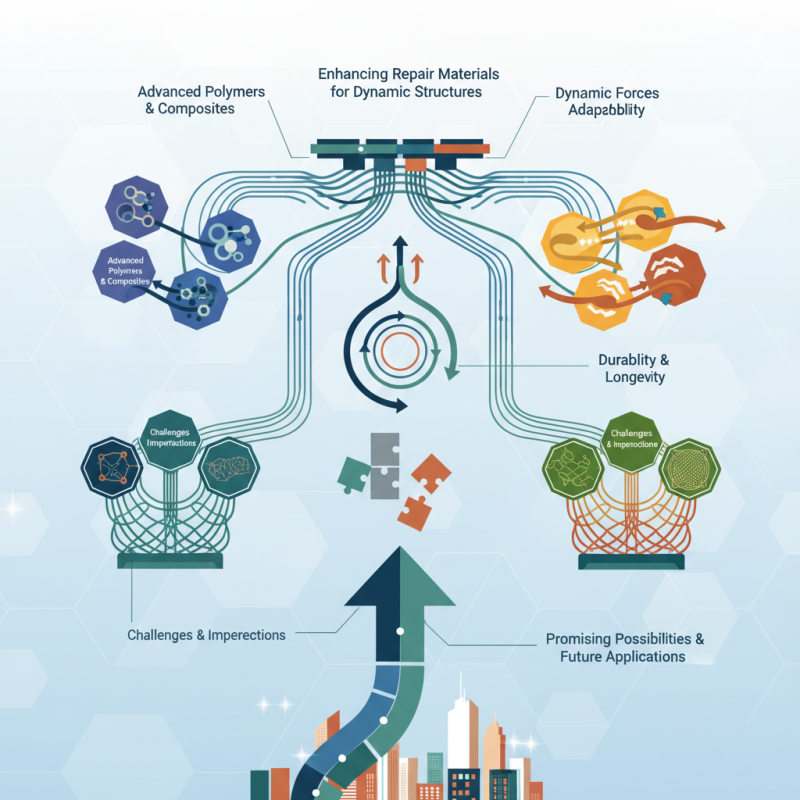
Innovative repair materials could address this issue effectively. By integrating advanced polymers and composites, engineers aim to create solutions that can better withstand dynamic forces. Such advancements can significantly improve the performance and lifespan of structures. However, the journey is not without its challenges. Achieving the right balance between flexibility and durability remains a complex task.

Real-life applications highlight this ongoing struggle. For instance, many retrofitting projects face unforeseen complications during implementation. This underscores the importance of rigorous testing and development in material science. Only by addressing these imperfections can we truly enhance the flexibility of repair materials for dynamic structures. As we delve deeper into this research, the possibilities appear promising yet daunting.
Enhancing Repair Materials for Dynamic Structures Flexibility?

Innovative Approaches to Repair Materials for Dynamic Structures

Repair materials for dynamic structures are crucial for maintaining their integrity. Traditional materials often lack flexibility and adaptability. Innovative approaches are emerging to address these shortcomings. For instance, researchers have explored the use of shape-memory alloys. These materials can recover their original shape after deformation, making them ideal for high-stress environments.


Another significant development is the use of polymer-based composites. According to a recent report by the International Journal of Structural Engineering, these composites can enhance durability by up to 30%. Their lightweight nature contributes to reduced load on structures, improving overall performance. However, these innovations also come with challenges. The long-term efficacy of these materials often remains uncertain.


Work is ongoing to enhance the application of these advanced materials in real-world scenarios. There are concerns about the cost and scalability of production. Ensuring that these materials can be commercially viable is an ongoing challenge. Continuous research is vital to strike a balance between performance and practicality. The industry must remain vigilant, embracing new technologies while addressing inherent flaws.

The Importance of Flexibility in Structural Repair Materials

Flexibility is paramount in structural repair materials. Dynamic structures, like bridges and high-rise buildings, experience constant movement. This movement demands materials that can adapt rather than crack or fail under pressure. Engineers must consider how these materials respond to various forces over time. The ability to flex can prolong the lifespan of a repair.

Incorporating flexible components can significantly enhance the integrity of repairs. For instance, using polymers or composites allows for a more forgiving structural interaction. These materials can absorb energy from vibrations and impacts, essentially acting as a cushion. However, the challenge remains in balancing flexibility and strength.

Too much elasticity can lead to instability. Evaluating the right blend is critical. Real-world applications remind us of the impermanence of materials. Regular inspections are crucial to identify weaknesses. Not all projects can afford comprehensive testing, making the choice of materials even more vital. Engineers must reflect on past repairs and apply lessons learned. Continuous innovation in the field is essential, yet we must remain cautious. Flexibility can be both a strength and a vulnerability.

Types of Materials Used for Enhancing Flexibility in Repairs

Dynamic structures often face challenges during repairs. The choice of materials can significantly impact flexibility. Various types of flexible materials are commonly employed to enhance repair work in these structures.

Polymer-based adhesives are popular due to their excellent flexibility and strong bonding capabilities. These materials can withstand stress and movement without cracking. Additionally, elastomers provide superior elastic properties. They deform under load and return to their original shape, making them ideal for dynamic environments.

In some situations, traditional repair materials may fall short. The rigidity of concrete or metal cannot meet the demands of movements in dynamic structures. This limitation can lead to costly failures. Engineers must continually evaluate alternative materials to address flexibility effectively.

Enhancing Repair Materials for Dynamic Structures Flexibility

Testing Methods for Assessing Flexibility in Repair Materials

When it comes to assessing the flexibility of repair materials for dynamic structures, testing methods play a crucial role. Flexibility is vital for materials to withstand varying loads without compromising structural integrity. Research conducted by the Structural Engineering Institute shows that flexible materials can significantly absorb energy during dynamic events. About 40% of structural failures relate to inadequate flexibility.

Common testing methods include tensile tests, bending tests, and dynamic mechanical analysis (DMA). These techniques provide insights into a material's behavior under stress and strain. Recent reports indicate that DMA is particularly effective in measuring how materials respond to different temperature conditions, which is essential for dynamic applications. However, standard tests often fall short in real-world scenarios.

There is a growing recognition of the need for innovative testing approaches. For instance, in-situ testing could provide more relevant data on how materials behave under actual conditions. Yet, businesses face challenges in implementing these advanced methods. Results may vary, and reliability can be questioned. Continuous research and feedback loops can help refine these testing processes, ensuring repair materials meet the demands of flexibility.

Enhancing Repair Materials for Dynamic Structures Flexibility? - Testing Methods for Assessing Flexibility in Repair Materials

Testing Method Material Type Flexibility Index Compression Strength (MPa) Water Resistance (hours)
Dynamic Strain Recovery Epoxy Resin 85 60 24
Bending Test Polyurethane 120 50 30
Tensile Strength Test Cementitious Material 75 40 12
Fatigue Loading Test Asphalt Binder 95 35 18
Durability Test Sustainable Composite 110 45 40

Case Studies of Successful Flexible Repairs in Dynamic Structures

Dynamic structures face unique challenges. Repairing these structures requires innovative solutions. Case studies reveal several successful flexible repairs that have demonstrated resilience in the face of varying stresses. For example, restoring a bridge subjected to heavy traffic can involve using advanced epoxy resins. These materials bond strongly, allowing for gradual expansion and contraction.


In another fascinating example, a historic building utilized flexible membranes to absorb seismic forces. This technique not only preserved its architectural integrity but also enhanced longevity. Such approaches show that adaptability is crucial in repair strategies. Engineers and architects must collaborate to design repairs that accommodate movement without compromising stability.


Tips: Always assess the specific needs of the structure before choosing repair materials. Ensure the chosen materials can handle fluctuations in temperature and load. Rely on proven methods and be open to experimenting with new techniques. Small failures in repairs can lead to larger issues over time. Reflect on past repairs and learn from any mistakes.

FAQS

: What are repair materials for dynamic structures?

: Repair materials are vital for maintaining the integrity of structures under changing conditions.

How do traditional materials perform in dynamic structures?

Traditional materials often lack the flexibility needed for adaptation, making them less effective.

What innovative materials are being used in repairs?

Shape-memory alloys and polymer-based composites are emerging as innovative materials for repairs.

What advantages do polymer-based composites offer?

They can enhance durability by around 30% and reduce the load on structures due to their lightweight.

What challenges do these new materials face?

The long-term effectiveness and cost-effectiveness of these materials are still in question.

Why is ongoing research important in this field?

Continuous research helps balance performance, practicality, and commercial viability of new repair materials.

Can you provide an example of a successful flexible repair?

Advanced epoxy resins were used to restore a heavily trafficked bridge, allowing for natural expansion.

How did flexible membranes benefit a historic building?

They absorbed seismic forces, preserving architectural integrity and increasing longevity.

What should be considered before selecting repair materials?

Assess the structure's specific needs and ensure materials can handle temperature and load changes.

Why is reflecting on past repairs important?

Learning from past mistakes can prevent future failures and improve repair strategies.

Conclusion

The article "Enhancing Repair Materials for Dynamic Structures Flexibility?" explores innovative approaches to improve the adaptability of repair materials specifically designed for dynamic structures. It emphasizes the importance of flexibility in structural repair, highlighting how flexible materials can better accommodate the movements and stresses experienced by these structures. Various types of materials that enhance the flexibility of repair materials for dynamic structures are discussed, along with testing methods that assess their performance and reliability.

Additionally, case studies of successful flexible repairs illustrate the effectiveness of these advanced materials in real-world applications. By focusing on these aspects, the article underscores the necessity of developing materials that not only restore structural integrity but also enhance the flexibility of repair materials for dynamic structures, ensuring longevity and resilience in diverse environments.

Isabella

Isabella

Isabella is a dedicated marketing professional with a sharp focus on driving brand growth and engagement through strategic content creation. With an extensive background in digital marketing, she combines her passion for storytelling with her keen understanding of industry trends to deliver......