Enhancing the bonding strength between repair materials and existing concrete is a crucial topic in construction and repair industries. According to a report by the American Concrete Institute, achieving optimal bonding can improve durability and longevity, reducing costly maintenance. Expert Dr. Maria Thompson states, "To enhance the bonding strength between repair materials and existing concrete, proper surface preparation is key." Her insights highlight a common oversight in many repair projects.
When considering repair methods, selecting compatible materials is vital. A study by the International Journal of Concrete Structures found that mismatch in materials leads to failure. Practical approaches, like surface roughening and using bonding agents, can make a significant difference. Yet, many professionals overlook these factors. Concrete repair often faces challenges related to moisture and temperature variations, which can affect the bonding process.
The need for continuous education in bonding techniques cannot be overstated. Innovative solutions like high-performance polyures are emerging. Yet, implementation remains inconsistent across projects. This inconsistency reflects a broader issue in industry practices. Addressing these gaps will enhance the bonding strength between repair materials and existing concrete, leading to more successful outcomes in repair projects.
Understanding Bonding Strength in Repair Materials
Bonding strength in repair materials is crucial for durability and performance. It refers to how effectively a repair material adheres to the substrate. Reports indicate that inadequate bonding can lead to failures, such as delamination and cracks. For instance, a study by the American Concrete Institute found that the bond strength between concrete and repair material can degrade significantly under moisture exposure. Understanding these factors is vital for selecting the right materials.
Key elements influencing bonding strength include surface preparation and environmental conditions. Proper surface cleaning can enhance adhesion. Studies show that surface roughness increases the bonding area. A report from the International Journal of Adhesion and Adhesives highlights that, under optimal conditions, bond strength can increase by up to 50%. However, challenges remain. In some cases, repair materials are applied in unsuitable temperatures. This can also reduce effectiveness.
Testing methods, like pull-off tests, assess the bond strength reliably. While such tests provide valuable data, variations in results are common. They depend on application techniques and substrate types. Therefore, attention to detail during repair processes is essential. Missteps in preparation can compromise the entire repair, making ongoing evaluation necessary.
Choosing the Right Repair Material for Optimal Adhesion
Choosing the right repair material is crucial for achieving optimal adhesion. A recent industry report indicates that nearly 60% of failures in bonding applications stem from improper material selection. Repair materials must match the substrate's properties to perform effectively. For instance, using epoxy-based adhesives on porous surfaces can enhance bonding strength significantly.
Additionally, environmental factors should be considered. Moisture and temperature fluctuations can affect adhesion quality. Selecting materials designed for specific conditions can mitigate these risks. Data shows that high-performance adhesives withstand extreme temperatures better than standard options.
It's essential to test various repair materials before full deployment. Some materials may not deliver expected results upon first use. Engineers often find that adjusting application techniques improves adhesion. Ongoing research is influencing material development, leading to more reliable and stronger bonds in diverse applications. Revisiting your material choices regularly can uncover better alternatives.
Surface Preparation Techniques to Enhance Bonding
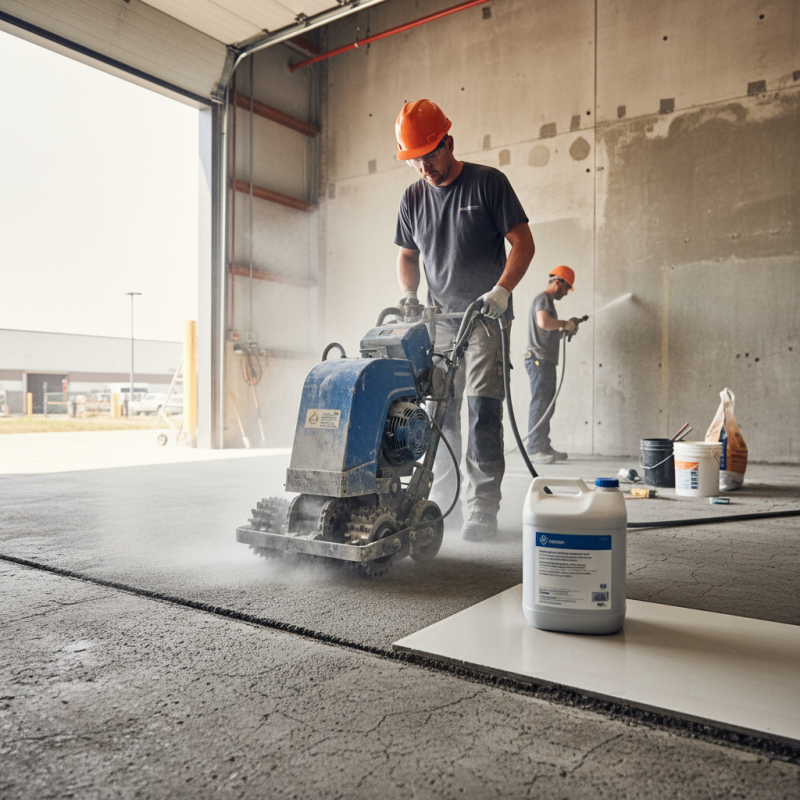
Surface preparation is critical for achieving optimal bonding strength in repair materials. According to a survey by the American Concrete Institute, nearly 70% of failures in repair systems can be traced back to inadequate surface prep. Properly assessing the substrate condition can significantly enhance adhesion. For instance, clean and roughened surfaces create more contact area for bonding.
Tips: Always inspect surfaces for contaminants. Dust, grease, and moisture can weaken bonds.
Mechanical methods like sanding or shot blasting improve surface texture. These techniques increase the surface area available for the repair material. A study published in the Journal of Materials Science highlights that surfaces treated mechanically exhibit up to 50% better bonding strength compared to untreated surfaces. The level of roughness needs to be considered; excessive roughness could lead to stress concentrations, causing potential failure.
Tips: Consider using a primer or bonding agent after preparing the surface. This step can provide extra adhesion for challenging materials.
Chemical treatments, such as acid etching, can enhance surface condition as well. However, this method requires skill and proper protective measures. Over-etching might damage the substrate, leaving it weaker. Balancing efficacy with caution is essential when selecting the right preparation technique. Employing the right approach ensures durability and longevity in repair applications.
Top 10 Ways to Improve Bonding Strength of Repair Materials
| Method |
Description |
Effectiveness Rating (1-5) |
| Surface Cleaning |
Remove dust, grease, and contaminants to enhance adhesion. |
5 |
| Surface Profiling |
Use techniques like sanding or blasting to create a textured surface. |
4 |
| Moisture Control |
Ensure surfaces are dry before applying repair materials. |
4 |
| Temperature Adjustment |
Apply repairs within optimal temperature ranges for materials. |
5 |
| Use of Primers |
Apply bonding primers to enhance adhesion between surfaces. |
4 |
| Mechanical Fastening |
Consider using bolts or screws in conjunction with adhesives. |
4 |
| Proper Mixing Techniques |
Follow manufacturer's guidelines for mixing repair materials. |
5 |
| Appropriate Material Selection |
Choose repair materials compatible with the substrate. |
5 |
| Curing Techniques |
Ensure adequate curing times and conditions for optimal strength. |
4 |
| Test Bond Strength |
Conduct tests to verify the effectiveness of the bonding process. |
5 |
Environmental Factors Affecting Bonding Strength
Environmental factors play a crucial role in determining the bonding strength of repair materials. Temperature variations can greatly impact the adhesive's performance.
Hot or cold conditions may alter curing times and affect the moisture content of surfaces. This is particularly noticeable in outdoor repairs.
In humid climates, excess moisture can weaken bond integrity. Dry environments, conversely, may lead to rapid evaporation of adhesives, hampering their effectiveness.
Surface preparation is also influenced by the environment. Contaminants like dust, oil, and moisture can prevent a strong bond. Proper inspection is essential before application.
Even minor neglect in cleaning can lead to failures later on. It’s important to evaluate the surface condition in varying weather scenarios. Each setup might require different preparation strategies.
Noticing these details can save time and resources.
Proper curing conditions are often overlooked. Insufficient time for curing can weaken a bond, especially in fluctuating temperatures. Moreover, exposure to UV light can degrade some materials over time.
Regular maintenance checks allow for early detection of potential issues. Using suitable protective measures against environmental stressors is essential in extending bond strength.
Testing and Measuring Bonding Strength in Repairs
Testing and measuring bonding strength in repairs is crucial for ensuring the durability of materials used in various applications. According to a 2021 report from the American Concrete Institute, the bond strength can significantly determine the longevity of repair work. A minimum bond strength of 1.5 MPa is often recommended for effective repairs. This highlights the need for reliable testing methods that can accurately assess bonding strength before these materials are put to use.
The most common methods for measuring bonding strength include tensile tests and shear tests. Tensile tests can measure how much force a material can withstand before it fails. Particularly in concrete repairs, an average bond strength improvement of 30% has been noted when proper surface preparation is employed. Surface roughness and cleanliness play vital roles in achieving strong bonds, yet these factors are frequently overlooked. Regular evaluations show that even minor contaminations can decrease adhesion by up to 50%, leading to unexpected failures.
Moreover, environmental conditions during the application can also complicate bonding strength. Factors like humidity and temperature need careful monitoring. A recent study revealed that bonding strength can drop by 15% when applied in high humidity conditions. Once this knowledge is acknowledged, it emphasizes the importance of rigorous testing and controlled environments for assessments. Overall, continual refinement of bonding techniques and a focus on understanding these variables can improve repair outcomes significantly.
FAQS
: Bonding strength refers to how well a repair material adheres to its substrate, crucial for durability.
Proper surface cleaning enhances adhesion. It can increase bonding strength significantly, up to 50% under optimal conditions.
Temperature changes and humidity can weaken bond strength. Excess moisture and dry environments both pose risks.
Contaminants like dust and oil can hinder a strong bond. Neglecting this can lead to failures in repairs.
Testing methods include pull-off tests, tensile tests, and shear tests. They assess a material's ability to withstand force.
Small mistakes in preparation often compromise the repair. Ongoing evaluations are essential to prevent future issues.
A minimum bond strength of 1.5 MPa is often suggested for effective repairs. This highlights its importance.
Fluctuating temperatures can alter curing times. Insufficient curing time can significantly weaken a bond.
Monitoring conditions like humidity is crucial. A drop in bonding strength can happen in high humidity situations.
Using protective measures and performing regular maintenance checks can detect potential issues early and extend bond integrity.
Conclusion
In the pursuit of effective repairs, understanding the bonding strength of repair materials is crucial. Enhancing the bonding strength between repair materials and existing concrete requires careful selection of appropriate materials that are compatible with the substrate. Different surface preparation techniques, such as cleaning, roughening, and applying primers, significantly influence adhesion and improve overall performance.
Moreover, environmental factors such as temperature and humidity can impact bonding efficacy, necessitating consideration during the repair process. It is also important to implement robust testing and measuring methodologies to ensure the desired bonding strength is achieved. By following these strategies, one can markedly enhance the longevity and durability of repairs, leading to more successful outcomes in construction and maintenance projects.

 Shengchuang Building