Reinforced concrete structures play a vital role in construction due to their strength and durability. However, they are not immune to corrosion, which can compromise their integrity. To enhance the corrosion resistance of reinforced concrete structures, various methods are available. Understanding these techniques is crucial for engineers and builders to ensure long-lasting structures.
The complexity of corrosion in concrete arises from environmental factors and material properties. For instance, chlorides from de-icing salts can penetrate concrete, leading to reinforcement damage. Meanwhile, the initial choice of materials can either mitigate or exacerbate corrosion risks. It is essential to focus on innovative methods and high-quality materials in this regard.
Furthermore, ongoing maintenance cannot be overlooked. Regular inspections and timely repairs are necessary to address potential issues before they escalate. Structures may exhibit signs of wear over time despite protective measures. Awareness and proactive strategies are important to sustain the integrity of reinforced concrete structures in the long term.
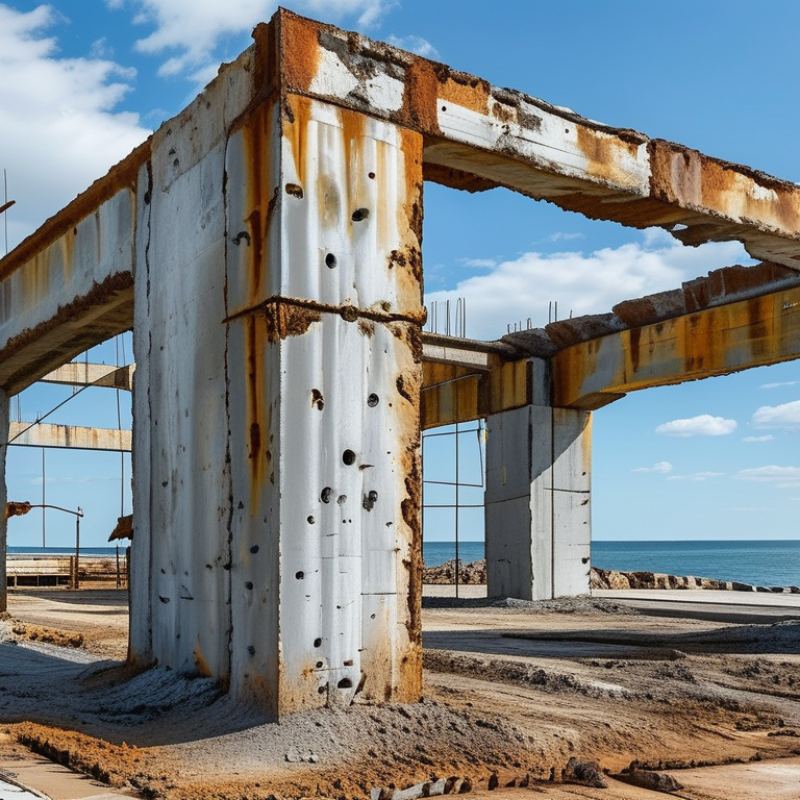
Corrosion poses a significant risk to reinforced concrete structures. The American Concrete Institute reported that corrosion can reduce the lifespan of these structures by 50% or more. It often occurs due to chloride exposure or carbonation, which leads to the deterioration of steel reinforcement. When moisture and harmful elements penetrate the concrete, it creates an electrochemical reaction. This process causes rust, which expands and cracks the concrete.
According to a study by the National Association of Corrosion Engineers, the cost of corrosion prevention in concrete structures reaches billions of dollars annually. Traditional practices often overlook early signs of corrosion. A lack of regular maintenance and monitoring can exacerbate these issues. Advanced corrosion detection techniques, such as electrochemical impedance spectroscopy, can identify corrosion before significant damage occurs. Regular inspections are crucial; countless structures fail due to neglect.
Understanding the underlying mechanics is essential. Steel bars in concrete are generally protected by a passive layer. However, factors like pH levels, chlorides, and environmental conditions can disrupt it. It's vital to recognize the complex nature of corrosion interactions. We often take concrete’s durability for granted, yet each structure requires tailored approaches to enhance longevity and performance.
Corrosion resistance in reinforced concrete structures is influenced by several key factors. The quality of construction materials plays a significant role. High-permeability concrete is more susceptible to moisture ingress, which can lead to corrosion of reinforcement. According to a study by the American Concrete Institute, about 60% of concrete structures experience corrosion issues due to inadequate material quality.
Another critical aspect is the use of corrosion inhibitors. These chemicals can significantly increase the lifespan of reinforced concrete. The National Association of Corrosion Engineers reports that using corrosion inhibitors can reduce corrosion rates by up to 90%. However, their effectiveness depends on the concentration and application method.
**Tips:** Use low-permeability concrete mixes. Regular maintenance checks can prevent serious issues. Consider the environmental conditions when selecting materials.
It's also important to reflect on placement techniques. Improper curing can lead to micro-cracks, allowing corrosive agents to penetrate. Studies indicate that a significant percentage of corrosion cases stem from poor installation practices. Regular training for construction crews can mitigate this risk.
| Factor | Description | Impact on Corrosion Resistance |
|---|---|---|
| Concrete Quality | The type and composition of concrete used. | Higher quality concrete with low permeability increases durability. |
| Reinforcement Type | Type of steel reinforcement used (e.g., epoxy-coated or stainless steel). | Corrosion-resistant reinforcements significantly enhance protection. |
| Environmental Conditions | Exposure to salt, humidity, and temperature extremes. | Harsh environments require additional protective measures. |
| Cover Depth | Thickness of concrete cover over reinforcement bars. | Increased cover depth reduces exposure to corrosive elements. |
| Admixtures | Chemical agents added to concrete to improve properties. | Certain admixtures can enhance resistance to chloride penetration. |
| Maintenance Practices | Regular inspection and repair of concrete structures. | Routine maintenance prolongs service life and reduces corrosion risks. |
Corrosion poses significant risks to reinforced concrete structures. One effective technique is the use of corrosion-inhibiting admixtures. These chemicals can slow down the corrosion rates of steel reinforcements. They work by forming a protective layer on the steel surface. As a result, they reduce the accessibility of corrosive agents.
Another beneficial approach is applying surface treatments. Coatings such as epoxy or polymer can create barriers against moisture and chlorides. These coatings extend the life of the concrete by preventing water intrusion. Proper application is crucial; any flaws can lead to exposure and reduced effectiveness.
Additionally, cathodic protection can be implemented. This method uses electrical currents to offset the corrosion process. It is highly effective but requires consistent monitoring. Each of these techniques has its strengths and weaknesses. Routine assessments are essential to determine their effectiveness in different environments.
Corrosion in reinforced concrete structures can lead to significant deterioration. To combat this, using corrosion-resistant reinforcement materials is key. These materials can enhance durability and longevity, offering a proactive solution to a common problem.
Stainless steel and fiber-reinforced polymers are popular choices. They provide better resistance to harsh environments. However, not all projects may benefit equally from these materials. Their higher costs are an essential factor to consider. Projects with limited budgets might struggle with this investment.
Tips: Evaluate the environmental conditions specific to your project. Assess if the long-term benefits outweigh the initial expenditure. Regular maintenance and inspections still play a crucial role in safeguarding structure integrity. Balancing these factors is important for optimal outcomes.
Regular maintenance is vital for preserving the integrity of reinforced concrete structures. It’s not just about aesthetics; it's about structural safety. Over time, elements like water, salts, and pollutants can deteriorate concrete. This corrosion can lead to severe issues like cracking and spalling, which compromise load-bearing capacity.
Regular monitoring can identify potential problems early. Use methods such as visual inspections and non-destructive testing. These methods can save considerable costs by detecting issues before they escalate. A simple crack might overlook early signs of a larger concern. It's important to document findings and take action. Small repairs now can prevent bigger ones later.
Establish a maintenance schedule based on the environment and usage. In harsher climates, inspections should be more frequent. Education and training are crucial. Those responsible for maintenance must understand the symptoms of corrosion. This proactive approach not only extends the life of structures but also reinforces safety and reliability in public spaces.
: Corrosion can significantly reduce the lifespan of these structures by 50% or more.
Corrosion often occurs due to chloride exposure or carbonation, leading to deterioration.
Moisture can penetrate concrete, causing electrochemical reactions that lead to rusting and cracking.
Regular inspections can identify corrosion issues early, preventing severe structural damage.
Techniques like electrochemical impedance spectroscopy can identify corrosion before it causes major damage.
Corrosion-resistant materials like stainless steel and fiber-reinforced polymers offer improved durability.
Not all projects benefit from them due to their higher costs and budget limitations.
Maintenance schedules should consider the environment and usage frequency of the structures.
Ignoring small cracks can lead to larger issues, which may be costly to repair later.
Training for maintenance personnel is essential to recognize corrosion symptoms effectively.
To enhance the corrosion resistance of reinforced concrete structures, it is crucial to understand the mechanisms of corrosion and the factors that influence corrosion susceptibility in construction materials. Key factors include environmental conditions, material properties, and design practices. By employing effective techniques such as the use of protective coatings, corrosion inhibitors, and improving concrete quality, professionals can significantly mitigate corrosion risks.
Additionally, the selection of corrosion-resistant reinforcement materials plays a vital role in improving durability and longevity. Regular maintenance and monitoring are also essential practices that help detect early signs of corrosion and ensure the long-term performance of concrete structures. Together, these strategies form a comprehensive approach to enhance the corrosion resistance of reinforced concrete structures, safeguarding them against deterioration and extending their service life.

Shengchuang Building