Concrete is a critical material in modern construction, especially in harsh environments. To ensure long-term durability of concrete in harsh environmental conditions, careful consideration is essential. The effects of temperature fluctuations, moisture, and chemical exposure can severely impact concrete's performance. Each project demands a tailored approach to address these challenges.
Selecting the right materials is vital. High-quality aggregates and additives can significantly improve the resilience of the mix. Regular maintenance can detect potential issues early. Understanding the local environment aids in anticipating problems.
Engineers and architects must collaborate closely. Their expertise shapes the decision-making process. Practical experience often dictates what works best in the field. Any oversight in these areas may lead to costly repairs down the line. Ensuring long-term durability of concrete in harsh environmental conditions requires systematic planning and execution.
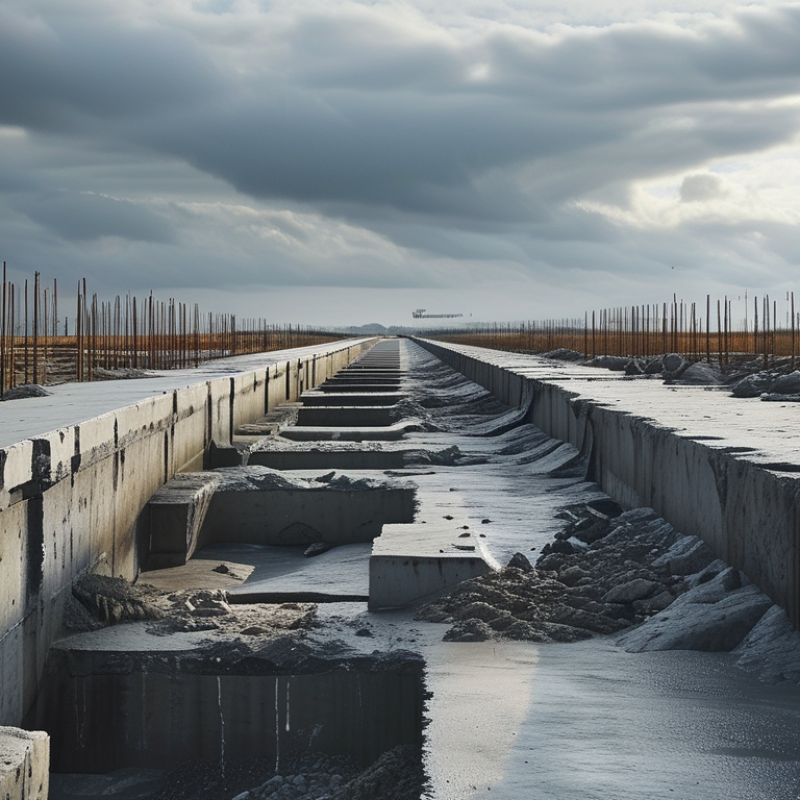
Concrete is widely used in construction due to its strength and versatility. However, environmental factors can significantly impact its durability. Harsh conditions like extreme temperatures, moisture, and chemical exposure can lead to deterioration. For example, freeze-thaw cycles can cause cracking. Salt exposure can corrode reinforcement within the concrete.
Understanding these factors is essential for ensuring long-term durability. Using proper mix designs can enhance resistance to environmental stressors. Adding pozzolans or using waterproofing agents can improve performance. It's crucial to consider local weather patterns. Builders should be aware of site-specific conditions that could affect the concrete over time.
Testing under various conditions is a common practice to gauge durability. Yet, many overlook routine maintenance. Neglect can lead to small issues evolving into significant problems. Regular inspections can help spot early signs of distress. Education on these aspects is vital for long-lasting concrete structures. Awareness of environmental impacts can lead to better practices in construction.
Choosing the right concrete mix for harsh conditions is critical for long-term durability. The mixture’s composition plays a vital role in its performance. For areas exposed to extreme weather, it's wise to incorporate additives that enhance strength and longevity. Materials like fly ash or silica fume can improve durability and resistance to harmful chemicals.
Consider the water-to-cement ratio carefully. A lower ratio generally increases strength but can make the mix difficult to work with. Striking the right balance is essential. Test different ratios and evaluate their performance in real-life scenarios. The right mix also accounts for local environmental factors. Aggregates should be resistant to freeze-thaw cycles for cold climates, while in warmer areas, using materials that withstand high temperatures is crucial.
When mixing concrete, ensure thorough blending. Inconsistent mixtures lead to weak points that may cause cracks. Monitor the curing process as well. Proper curing strengthens the concrete, allowing it to develop full potential. Regular inspection is important. Look for any signs of erosion or fatigue early on to avoid larger issues later. Adapt your approach as you learn what works best in your specific conditions.
Effective curing techniques are vital for enhancing the durability of concrete, especially in harsh conditions. Proper curing allows the concrete to retain moisture, which is essential for the hydration process. This process strengthens the concrete and helps prevent cracking. One common method involves covering the concrete with wet burlap or polyethylene sheets. This keeps the surface humidity intact, promoting better strength development.
Mist curing is another valuable technique. Using a fine mist of water over the concrete surface can significantly improve moisture retention. However, it requires careful monitoring to avoid water pooling, which could lead to weaker spots. Additionally, using chemical curing compounds can provide a protective film, reducing evaporation while allowing the concrete to breathe.
While these methods can be effective, common mistakes often occur. Inadequate moisture levels can lead to surface defects. Insufficient curing time can compromise the concrete's strength. Each project may require a tailored approach based on environmental conditions. Continuous observation during the curing period is critical to achieve the best results. Adjusting methods as conditions change is essential to ensure long-term durability.
Concrete structures are often exposed to harsh conditions, which can significantly reduce their lifespan. Utilizing protective coatings and sealers can enhance the longevity of concrete. A study published by the American Concrete Institute suggests that applying a high-quality sealer can mitigate water ingress by over 90%. This reduction in water penetration is crucial for preventing freeze-thaw damage, a common problem in colder climates.
Moreover, protective coatings can also shield concrete from chemical attacks. According to the International Journal of Concrete Technology, surfaces treated with a proper sealant show a marked decrease in deterioration from de-icing salts and acid rain. Regular inspections and reapplication of these coatings are essential. Many experts recommend refreshing sealers every three to five years, depending on environmental factors. Yet, it's crucial to note that not all sealers are created equal. Some may degrade faster than expected, requiring more frequent monitoring.
In the real world, not every building achieves its intended lifespan. Poor application practices or wrong product selection can lead to failure. Even in well-maintained structures, the efficacy of a sealer can wane over time. This highlights the importance of regular evaluation of protective measures. Understanding how harsh conditions impact concrete durability allows for better decision-making in protective strategies.
Regular maintenance is key to the long-term durability of concrete, especially in harsh conditions. Routine inspections identify cracks and surface deterioration. Addressing these issues promptly can prevent further damage. Look for signs like discoloration and flaking. These are often early indicators of deeper problems. Catching these issues early can save significant costs later.
Protecting concrete structures from extreme weather is also vital. Applying sealants can prevent water infiltration. This is particularly important in freeze-thaw cycles. Moisture can lead to cracking and spalling if it seeps into the concrete. Regularly reapplying these sealants is essential. This process is often overlooked but can hugely extend the life of the concrete.
Finally, consider the impact of heavy loads. If your structure experiences frequent stress, regular monitoring is crucial. Over time, heavy loads can lead to structural fatigue. Addressing this with adjustments or reinforcements can prevent catastrophic failures. Continuous evaluation of maintenance practices is necessary. If certain methods are not effective, they should be modified or replaced. This proactive approach can make a significant difference in concrete longevity.
: Harsh conditions like extreme temperatures, moisture, and chemicals can lead to deterioration.
Freeze-thaw cycles can cause cracking in concrete, leading to long-term damage.
Proper mix designs enhance resistance to environmental stressors, improving concrete's overall performance.
Covering with wet burlap or using mist curing can retain moisture during the hydration process.
Insufficient moisture and curing time can lead to surface defects and compromised strength.
Regular inspections help identify early signs of distress, preventing small issues from becoming significant.
Builders must consider site-specific conditions that could affect concrete durability over time.
Yes, they provide a protective film, reducing evaporation while allowing the concrete to breathe.
Neglecting maintenance can allow minor issues to develop into major problems over time.
Observing conditions ensures proper adjustments, which are essential for achieving long-term durability.
Ensuring the long-term durability of concrete in harsh environmental conditions requires a comprehensive approach that addresses various critical factors. First, it is essential to understand the impact of environmental factors such as temperature fluctuations, moisture, and chemical exposure that can negatively influence concrete integrity. Selecting the right concrete mix tailored for such conditions can significantly enhance its resistance to damage.
Additionally, implementing effective curing techniques is vital to achieving optimal strength and durability. Utilizing protective coatings and sealers helps safeguard the concrete from external threats, while regular maintenance practices serve to prevent deterioration over time. By prioritizing these strategies, one can effectively ensure the long-term durability of concrete in harsh environmental conditions.

Shengchuang Building