Grout and mortar systems are vital in construction and renovation projects. However, they often face issues like shrinkage and cracking. These problems can compromise structural integrity and aesthetics. It's essential to implement effective strategies to minimize shrinkage and cracking in grout and mortar systems.
Many factors contribute to these issues. For instance, improper mixing and application can lead to weaknesses. Environmental factors, such as temperature and humidity, also play significant roles. Even small errors in the curing process can lead to larger cracks down the line. Understanding these potential pitfalls is crucial for a successful project.
By following a few expert tips, you can significantly enhance the durability of your grout and mortar. These strategies will not only help prevent issues but also extend the lifespan of your projects. Investing time and effort into learning how to minimize shrinkage and cracking in grout and mortar systems is worth it. Your work will reflect quality and precision, ensuring long-lasting results.
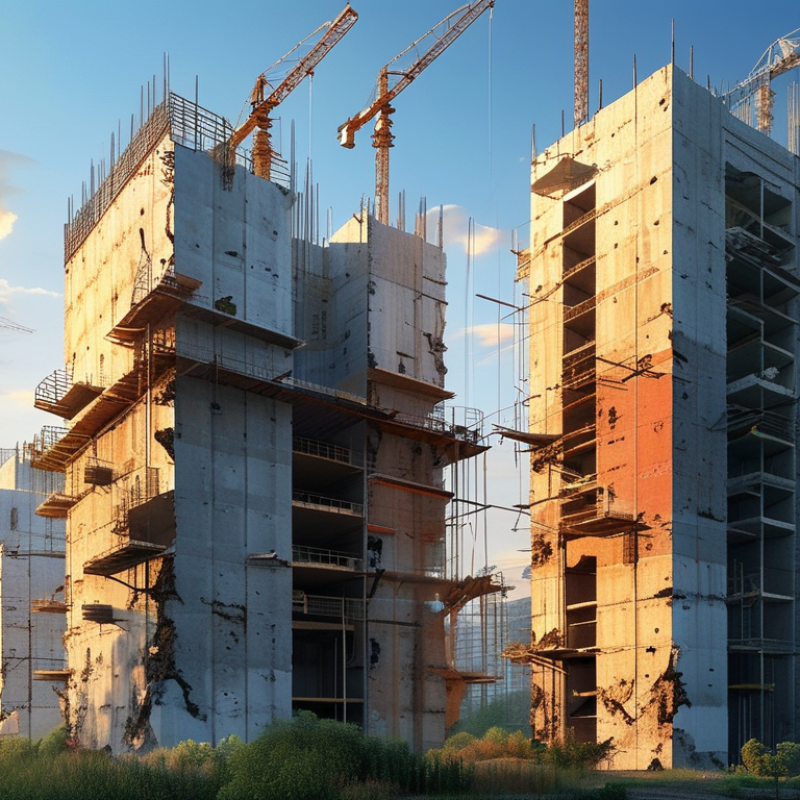
Understanding Shrinkage and Cracking in Grout and Mortar
Understanding shrinkage and cracking in grout and mortar is essential for any construction project.
Shrinkage occurs when moisture evaporates from the mixture as it cures. This process can lead to unsightly cracks and weaken the structure.
Factors like temperature, humidity, and the mix’s water content significantly affect shrinkage.
Too much water creates a runny mixture that can't hold itself together.
To combat these issues, it’s crucial to use the right mixing techniques. Mixing grout and mortar must be consistent.
A hasty mix often leads to problems later. Additionally, consider the application environment.
Extreme temperatures can cause rapid drying, exacerbating shrinkage.
Monitoring these conditions enables better control over the setting process.
Even with the best practices, cracks may still appear, prompting a need for reflective adjustments.
Pay attention to the curing process, ensuring adequate moisture is maintained.
This step often gets overlooked, yet it profoundly influences durability.
Essential Materials for Reducing Grout and Mortar Issues
Choosing the right materials is crucial for preventing grout and mortar issues. High-quality components enhance durability and reduce shrinkage. Look for additives like polymers. These can help maintain elasticity and reduce cracking. Adding hydrated lime to mortar can also improve its workability and strength.
Another effective tip is to control the water-to-cement ratio. Excess water can lead to weak mortar and increased shrinkage upon drying. Aim for a balanced mix; remember, too little water can hinder the curing process. Consistency is key.
Consider your environment too. Humidity and temperature affect drying times. In a dry area, consider using curing compounds to retain moisture. Be mindful of how external factors influence your work. It’s not just the materials; it’s the conditions that matter. Avoid overconfidence, as overlooking these details could lead to potential issues. Stay observant and make necessary adjustments.
Optimal Mixing Techniques for Consistent Texture
When mixing grout and mortar, consistency is crucial. The optimal mixture should be smooth, without lumps or dry spots. Use clean, cold water to ensure even hydration. Measure your ingredients accurately. Even a small discrepancy can lead to issues later.
Consider the mixing time as well. A common mistake is to rush this process. Mix your materials for at least five minutes. This ensures proper integration, reducing the chance of shrinkage. The texture should feel creamy yet firm.
Don’t overlook environmental conditions. High humidity can influence how your mixture behaves. Adjust water content slightly based on the climate. Experimenting with these factors can provide insights into what works best for your specific circumstances. Mistakes can teach valuable lessons in achieving the perfect blend.
Top 10 Tips to Minimize Shrinkage and Cracking in Grout and Mortar - Optimal Mixing Techniques for Consistent Texture
| Tip |
Description |
Optimal Mixing Ratio |
Recommended Tools |
| 1. Measure Ingredients Accurately |
Ensure precise measurements for consistent results. |
Cement: 1, Sand: 2, Water: 0.5 |
Measuring Cups, Scale |
| 2. Use Clean Water |
Avoid contaminants that can affect bonding. |
N/A |
Water Source |
| 3. Mix Thoroughly |
Ensure a uniform texture to reduce air pockets. |
N/A |
Mixer, Trowel |
| 4. Allow Proper Hydration |
Keep the mixture moist to prevent cracking. |
N/A |
Plastic Sheeting, Spray Bottle |
| 5. Control Temperature |
Work in moderate temperatures to slow drying. |
N/A |
Thermometer |
| 6. Use Additives |
Incorporate products to enhance flexibility. |
Follow product instructions |
Measuring Jug |
| 7. Avoid Overmixing |
Overmixing can lead to air incorporation. |
N/A |
Mixer |
| 8. Apply in Thin Layers |
Thinner applications reduce cracking risk. |
N/A |
Trowel, Float |
| 9. Maintain Consistent Thickness |
Uniform thickness helps with even curing. |
N/A |
Guides, Spacers |
| 10. Cure Appropriately |
Use curing agents or water misting to retain moisture. |
N/A |
Curing Compound, Mist Sprayer |
Application Methods to Minimize Shrinkage and Cracking
Applying grout and mortar requires attention to detail and technique. Proper mixing is crucial. Ensure the materials are combined thoroughly. Inconsistent ratios can lead to unexpected shrinkage or cracking. Mixing in small batches might be beneficial. This allows for better control over consistency.
The way grout and mortar are applied also matters greatly. Use the right tools for spreading and pressing into joints. A margin trowel can help with precision, while a float will smooth the surface effectively. Pay attention to environmental conditions during application. High temperatures and low humidity levels can accelerate drying, increasing the likelihood of cracks.
Curing is another critical step that often gets overlooked. Allow for adequate curing time as per the manufacturer's guidelines. Too often, people rush this stage. Protecting the applied grout or mortar from direct sunlight and wind ensures a more uniform setting. Small adjustments during the application can lead to significant improvements in durability. Reflecting on past projects can provide valuable insights for future endeavors.
Curing Practices to Enhance Durability of Grout and Mortar
Curing practices play a crucial role in enhancing the durability of grout and mortar. Proper curing allows these materials to reach their optimal strength. Without adequate curing, issues such as shrinkage and cracking can become prevalent. Maintaining moisture is essential during the curing phase. It helps the grout or mortar set evenly.
One effective tip is to use a covering. A wet burlap or plastic sheeting keeps moisture in and reduces evaporation. This simple practice can significantly improve the outcome. Avoid applying grout or mortar in extreme temperatures. Both high heat and freezing conditions can lead to potential failures.
Timing is vital too. A consistent curing duration of at least 48 hours is recommended. This duration allows the materials to hydrate properly. You might notice cracks if you rush this process. Always remember, patience is key in construction. While it may seem tedious, proper curing is essential for long-lasting results.
Conclusion
To effectively minimize shrinkage and cracking in grout and mortar systems, it is crucial to first understand the underlying causes of these issues. Factors such as temperature fluctuations, moisture levels, and improper mixing can lead to significant concerns in grout and mortar performance. By utilizing essential materials designed to enhance flexibility and adherence, coupled with optimal mixing techniques that ensure a consistent texture, it is possible to significantly reduce the likelihood of shrinkage and cracking.
In addition to selecting the right materials and techniques, the application methods employed also play a vital role in the structural integrity of grout and mortar. Employing careful application practices can help ensure even distribution and minimize the risk of cracks. Finally, following proper curing practices is essential for enhancing the durability of grout and mortar systems, ultimately contributing to their longevity and aesthetic appeal. By adopting this comprehensive approach, one can effectively minimize shrinkage and cracking in grout and mortar systems, ensuring a more resilient outcome.

 Shengchuang Building