In the competitive construction industry, time is of the essence. Contractors face pressure to optimize the construction speed of specialized mortars and grouts while ensuring quality and safety. Achieving this balance requires a deep understanding of materials and processes. Knowledge of various mortar compositions plays a crucial role in improving efficiency during application.
Selecting the right mix design can significantly affect setting times and workability. For example, additives and accelerators can enhance performance, but they must be used judiciously. Improper ratios might lead to compromised strength or durability. Experienced professionals often reflect on past projects to refine their approaches. Learning from previous miscalculations helps in making informed decisions.
Further, it is essential to train the workforce. Skilled labor can dramatically reduce application times. Poor techniques can lead to rework and delays. Therefore, investing time in training leads to better overall project flow. By examining these elements, we can gain insights into how to optimize the construction speed of specialized mortars and grouts effectively.
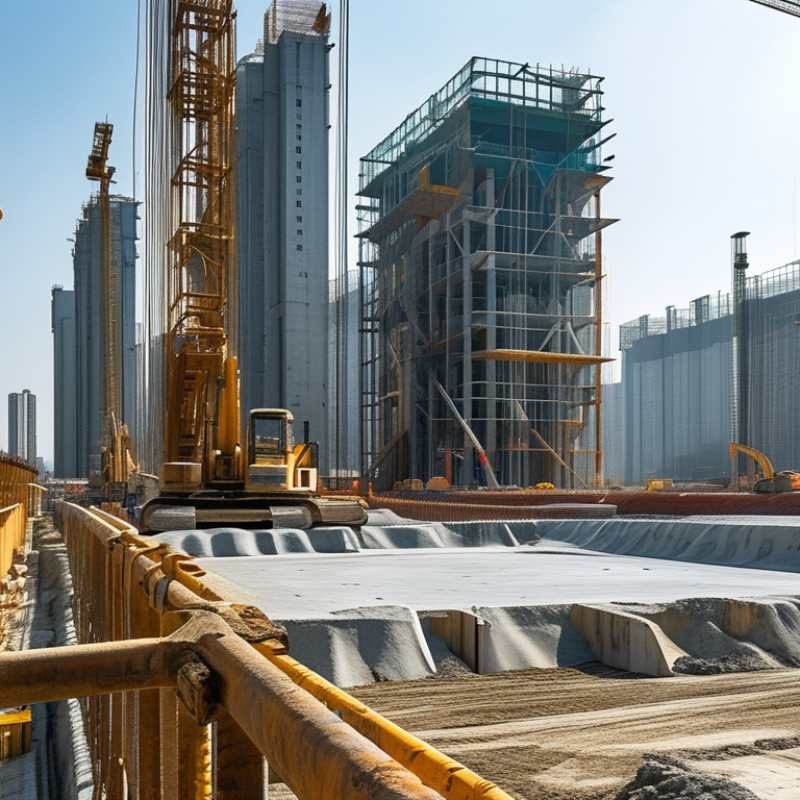
Understanding the Types of Mortars and Grouts in Construction
In construction, understanding the types of mortars and grouts is essential. Mortars serve as adhesive materials, binding bricks, blocks, or stone together. Traditional mortar, made from sand and cement, has been used for decades. It provides durability and strength. However, it often requires curing time. Injuries may occur if not handled carefully.
Grouts, on the other hand, fill in gaps and spaces. They are typically more fluid than mortars. This characteristic allows grouts to penetrate tight areas effectively. Different types include cementitious and epoxy grouts. Each type has unique properties. For instance, epoxy grouts resist chemicals well, making them suitable for laboratory settings. But, they can be more difficult to work with.
Knowing these materials' strengths and weaknesses helps in project planning. If a project demands rapid completion, selecting the right type of grout is crucial. Poorly matched materials can lead to structural issues. Additionally, advances in formulation can improve construction speed. Yet, the reliance on newer materials may lead to unforeseen challenges. Balancing innovation and tradition is necessary for optimal results.
Factors Influencing Construction Speed of Mortars and Grouts
Construction speed is heavily influenced by various factors when working with mortars and grouts. Temperature and humidity play significant roles. For instance, a study from the Portland Cement Association indicates that increased temperatures can accelerate setting times. However, high humidity levels may lead to longer curing periods. Both conditions must be carefully balanced to optimize efficiency on job sites.
The choice of materials significantly impacts construction speed too. Utilizing pre-blended mortars can save time, reducing the manual mixing required on-site. Reports reveal that using such products can cut labor time by up to 20%. However, workers must be well-trained to handle these materials correctly. Misuse can result in subpar performance, leading to costly delays.
Workforce skill is another critical element. Experienced crews finish tasks faster and with fewer mistakes. A skilled worker can lay more than 150 square feet of tile in a day, compared to less experienced workers who may manage only about 75 square feet. This difference highlights the importance of ongoing training. Investing in skills development may take time, but the long-term benefits can significantly enhance construction speed and overall project efficiency.
How to Optimize Construction Speed of Mortars and Grouts? - Factors Influencing Construction Speed of Mortars and Grouts
| Factor |
Description |
Influence on Speed |
Optimization Strategies |
| Material Quality |
High-quality materials lead to faster curing times. |
High |
Use premium mortars and grouts designed for speed. |
| Application Technique |
Proper techniques enhance efficiency and consistency. |
Medium |
Train workers on best practices for application. |
| Environmental Conditions |
Temperature and humidity can affect curing time. |
High |
Monitor weather conditions; use accelerators in adverse weather. |
| Mix Design |
The ratio of materials can influence curing speed. |
High |
Optimize mix ratios for quicker setting times. |
| Worker Skill Level |
Experienced workers can complete tasks more quickly and accurately. |
Medium |
Invest in training programs for workers. |
Techniques to Enhance the Mixing Process for Optimal Performance
Enhancing the mixing process for mortars and grouts is crucial for optimal performance in construction projects. Studies indicate that improper mixing can lead to inconsistencies in strength, flexibility, and adhesion. A recent industry report noted that 30% of construction delays arise from material deficiencies, which often stem from inadequate mixing.
Using quality mixing techniques can significantly reduce these risks. For instance, the high-shear mixing method, known for its efficiency, improves the uniformity of the mix. This technique can result in a 20-30% increase in strength when compared to traditional mixing methods. Moreover, ensuring the right ratio of water to dry materials greatly impacts the final product. An optimal water-to-cement ratio is usually around 0.4; exceeding this can weaken the mix.
Monitoring the mixing time is another critical factor. Over-mixing can introduce excessive air bubbles, while under-mixing results in clumps. Research shows that a consistent mixing duration—typically between 3 to 5 minutes—ensures uniform distribution of all components. It's worth noting that many crews overlook this aspect, leading to variations in performance and durability. Constructing a reliable and efficient mixing process requires attention to detail and a proactive approach to quality control.
Optimization of Construction Speed for Mortars and Grouts
Best Practices for Application and Curing of Mortars and Grouts
Achieving optimal application and curing of mortars and grouts is crucial for construction projects. Proper application techniques can significantly affect both the speed and durability of these materials. First, surface preparation is vital. Clean, dry, and stable surfaces ensure better adhesion. Inspect for contaminants like dust or grease. These can hinder the bonding process. A thorough inspection can save time and material in the long run.
Curing is another key aspect of this process. Mortars and grouts require specific moisture levels for optimal strength gain. Maintaining consistent moisture through wet curing or using curing compounds can enhance performance. Timing also plays a role; curing too soon or too late can lead to cracks. It's not uncommon for construction teams to underestimate this step. Observing the environmental conditions can help in deciding the right curing method.
Common mistakes include applying mixtures too thickly or neglecting proper ventilation. Thick layers may not cure evenly, leading to weak points. Ventilation is crucial in tightly enclosed spaces, as it helps moisture evaporate appropriately. Reflecting on these details can lead to better outcomes and improved efficiency. Construction professionals must focus on these best practices for effective results.
Utilizing Technology and Tools to Accelerate Construction Processes
The construction industry continually seeks to enhance efficiency, especially in the application of mortars and grouts. Advanced technology plays a crucial role in this endeavor. According to the International Journal of Advanced Construction Technology, using modern mixing and pumping equipment can reduce application time by up to 30%. This is a significant improvement, allowing projects to meet tight deadlines.
Embracing digital tools can further optimize workflows. For instance, project management software enables real-time tracking of materials and labor. A study by the Construction Industry Institute indicated that firms using such software experienced a 25% increase in productivity. This highlights the importance of integrating technology into daily operations. However, challenges remain. Not every team is fully trained to leverage these tools effectively, which leads to missed opportunities.
Moreover, the selection of materials affects speed. Some grouts require longer curing times, which can delay the overall construction timeline. Builders must weigh the benefits of quick-setting options against long-term performance standards. Continuous education about new products and trends is essential for maximizing efficiency. By addressing these issues, construction teams can better harness technology to accelerate their processes.
Conclusion
To optimize the construction speed of specialized mortars and grouts, it is essential to understand the different types available and the factors that influence their performance. Effective mixing techniques can significantly enhance the quality and consistency of these materials, allowing for quicker application and reduced curing times.
Implementing best practices during application, alongside utilizing modern technology and tools, further streamlines the construction process. By combining these approaches, construction teams can achieve efficient workflows and improve overall project timelines, ensuring that specialized mortars and grouts are used to their fullest potential for optimal results.

 Shengchuang Building