In the construction industry, the ability to optimize the setting time of specialized mortars is vital. Maximizing efficiency can save time and reduce costs. John Carter, a seasoned expert in construction chemistry, emphasizes this importance: “Optimizing the setting time of specialized mortars can greatly impact project timelines.”
Different construction scenarios require unique approaches. Factors like temperature, humidity, and mortar composition play crucial roles in setting times. The right balance can enhance workability while achieving quick curing. For instance, in colder climates, slower setting times may be beneficial to ensure proper application.
However, mistakes can occur if one does not account for these variables. Improperly optimized mortars may lead to cracking or bonding failures. Hence, fine-tuning the setting time is not just an option but a necessity. It demands careful planning and knowledge. We must always reflect on our processes and adapt to improve outcomes.
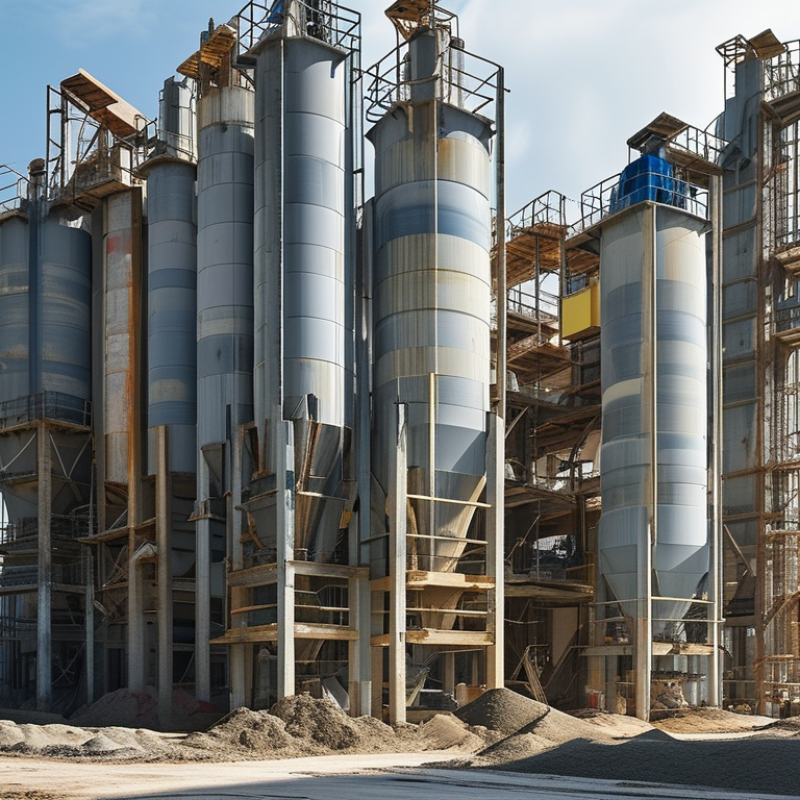
Specialized mortars play a crucial role in construction. They are designed for specific applications, like tile adhesion or repair work. Understanding their setting time is essential for effective use. In the construction industry, setting time can vary significantly. For instance, some specialized mortars can set in as little as 30 minutes, while others may take several hours. This variability can impact project timelines.
Recent reports indicate that improper setting time management can lead to structural failures. A study published by the American Concrete Institute highlights that up to 25% of construction delays are attributed to inadequate understanding of materials. Mortars require careful application and environmental considerations. Temperature and humidity can affect setting time. High humidity may delay the setting process, while dry conditions can speed it up.
Optimizing setting time involves testing and adjusting mixing ratios. Data from industry experts suggest that maintaining a consistent temperature during curing improves durability. Experimentation is key. Trying different approaches can yield better results, but it sometimes leads to failures. Learning from these instances is crucial in refining techniques. Continuous education about specialized mortars is necessary for all professionals involved in construction.
The setting time of specialized mortars plays a critical role in construction processes. Several factors impact this vital property. One key factor is temperature. Higher temperatures generally accelerate setting times, while colder conditions can slow them down. Understanding this influence can help construction teams adapt their application techniques accordingly.
Another important aspect is the water-to-cement ratio. A lower ratio may enhance the mortar's strength, but it can also lengthen the curing time. Conversely, a higher ratio speeds up setting but can dilute strength. It's essential to find a balance that meets project requirements.
Additionally, the choice of additives affects setting times. Certain accelerators can expedite hardening, while retarders slow it down. However, the effectiveness of these additives varies based on environmental conditions and specific formulations. Effectiveness is not always guaranteed; careful testing and adjustment are often necessary. Balancing these factors ensures optimal performance in specialized mortars.
Optimizing the setting time of specialized mortars is essential for ensuring successful construction applications. Various techniques can effectively enhance this critical property. Notably, the addition of accelerators can expedite setting time. According to industry studies by the American Concrete Institute, specific chemical additives can decrease setting time by up to 30%. However, it is vital to consider dosage carefully, as excess can lead to reduced strength.
Another technique is adjusting ambient conditions, such as temperature and humidity. Studies reveal that higher temperatures can reduce setting time but may compromise the mortar's longevity. Therefore, maintaining a balance is crucial. In a practical setting, using thermal blankets in cooler temperatures can optimize the curing process, leading to a robust outcome.
Tip: Always conduct a small batch test before full application. This helps to ensure that the selected method meets the project's specific needs without jeopardizing structural integrity. Tip: Monitor environmental variables closely. Appropriate adjustments can provide significant improvements in setting time, ensuring efficiency. Achieving optimal results often requires a fine-tuning process with clear documentation of outcomes for future reference.
Mixing specialized mortars requires precision and care. Start with clean tools and a proper mixing platform. Measure components accurately. A slight deviation can impact performance. Mix thoroughly until you achieve a uniform consistency. The mixing process should take around 3 to 5 minutes. Watch for clumps; these can lead to weaknesses in the final product. It’s essential to note that environmental conditions can affect drying times too.
When applying specialized mortars, surface preparation is crucial. The substrate must be clean, dry, and sound. Wetting the surface slightly can enhance adhesion. Apply the mortar within the pot life to avoid issues. The thickness of the application can vary. A thicker layer may take longer to set. Ensure you follow guidelines for each specific mortar type.
Reflect on past projects; learning from mistakes is vital in construction. Always consider the conditions during application. Adapt your methods based on experience and project needs.
Setting time is crucial for specialized mortars in construction. Proper monitoring can greatly affect a project’s overall efficiency. According to a report from the American Concrete Institute, the setting time of cement-based products can significantly impact durability and bond strength. Specialized mortars, with their unique formulations, often have varied setting times based on environmental factors and application methods.
When working with specialized mortars, it's essential to use tools that measure ambient temperature and humidity. A study highlighted that a 10% increase in temperature can reduce setting time by up to 50%. This variation can lead to dissatisfaction if not correctly monitored. Adjustments based on these readings can optimize the curing process. Proper training in setting time management can be beneficial. However, many professionals often overlook this aspect, which can lead to inconsistent results.
Testing and refining procedures should be standard practice. Unexpected delays or early setting times can compromise the integrity of a structure. Implementing real-time monitoring allows for quicker adjustments. This approach can enhance overall work quality, ensuring that projects meet specifications without delays. Being aware of these variables leads to more successful outcomes, but it requires diligence and flexibility.
: Temperature, water-to-cement ratio, and additives significantly affect the setting time.
Higher temperatures generally speed up setting times, while colder conditions slow them down.
A lower ratio increases strength but may lengthen curing time. A higher ratio speeds up setting but may weaken the mortar.
Additives like accelerators can speed up setting, while retarders can delay it. Testing is often needed to ensure effectiveness.
Use clean tools, measure accurately, and mix for 3 to 5 minutes to prevent clumps that weaken the mixture.
The substrate should be clean, dry, and sound. Slightly wetting it can improve adhesion.
Applying mortar outside its pot life can lead to adhesion issues and structural weaknesses.
Environmental factors like humidity and temperature can impact both drying times and setting effectiveness.
Ongoing learning helps professionals adapt to new materials and techniques, leading to better project outcomes.
Learning from mistakes is crucial. Reflecting on previous failures can lead to improvements in future applications.
The article "How to Optimize Setting Time of Specialized Mortars for Construction?" explores the critical role of specialized mortars in construction and the factors influencing their setting time. Understanding the specific properties of different mortars is essential, as it allows for targeted adjustments based on environmental conditions, formulation, and application techniques.
To optimize the setting time of specialized mortars for different construction scenarios, various techniques and best practices can be employed, including precise mixing ratios and adherence to optimal application methods. Regular monitoring and adjusting of the setting time further ensure that mortars perform effectively, thereby enhancing overall construction efficiency and durability. By following these guidelines, construction professionals can achieve desired results while accommodating the unique challenges presented by various projects.

Shengchuang Building