The construction industry faces ongoing challenges in ensuring structural integrity and reliability. Recent studies indicate that nearly 30% of structural failures can be linked to improper material selection and usage. This highlights the critical importance of admixture selection in concrete. Admixtures, when selected correctly, can significantly impact the durability and performance of concrete. They play a vital role in enhancing the overall structural reliability with proper admixture selection.
Incorporating the right admixtures can improve properties like workability, strength, and durability. For instance, using high-performance admixtures can increase the compressive strength of concrete by up to 30%. Moreover, they can reduce water permeability, enhancing resistance to environmental factors. These improvements are essential for structures exposed to severe conditions. However, misjudging the required admixture can lead to compromised reliability.
The value of proper admixture selection is underscored by industry reports, which show that construction projects with optimal admixture use experience fewer maintenance issues. This underscores an opportunity for improvement. Construction professionals must not overlook the significance of these choices. Ultimately, understanding how to enhance overall structural reliability with proper admixture selection can lead to safer, more durable structures. It’s essential that engineers and contractors approach this aspect with comprehensive knowledge to avoid regrettable oversights.
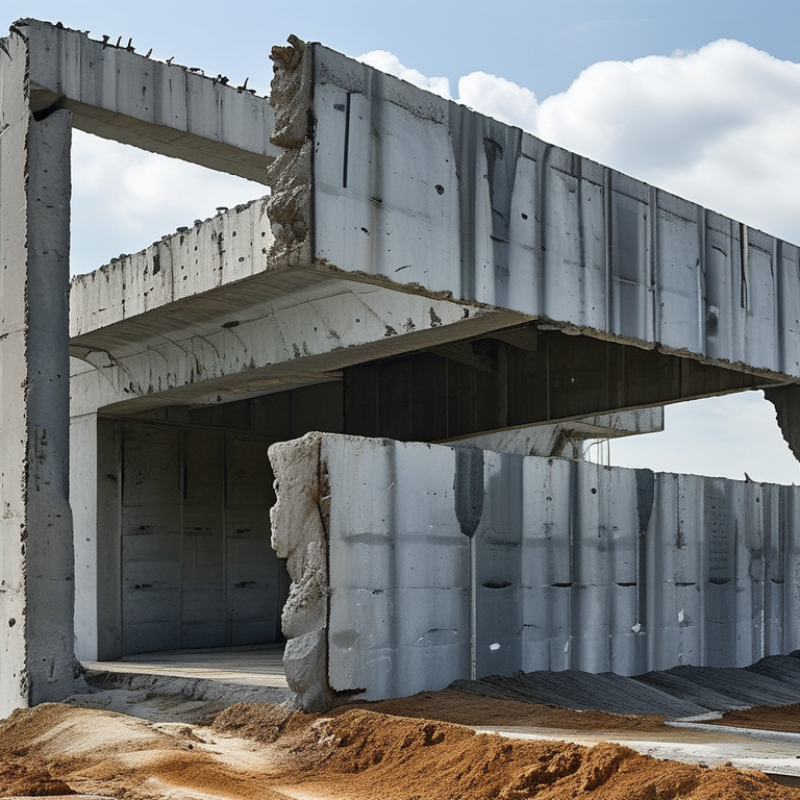
Importance of Admixture Selection in Structural Engineering
Admixture selection plays a crucial role in structural engineering. It directly influences the durability and strength of concrete structures. According to the American Concrete Institute, using the right admixture can enhance compressive strength by 20% or more. This is essential for ensuring that structures can withstand environmental stresses and loads over time.
Improper admixture choices can lead to significant issues. For instance, the lack of adequate plasticizers may result in poor workability. This can complicate construction processes and lead to potential structural weaknesses. A 2021 report from the National Institute of Standards and Technology indicated that around 30% of concrete failures are linked to poor admixture selection. This highlights the need for careful consideration.
Moreover, the long-term performance of a structure is often compromised without proper admixture use. An inadequate blend can accelerate deterioration, leading to costly repairs. As structures age, this can become a critical factor affecting their lifespan. Engineers must therefore prioritize admixture selection to meet project requirements effectively.
Understanding Different Types of Concrete Admixtures
Concrete admixtures play a vital role in enhancing the performance of concrete. They improve workability, durability, and overall structural reliability. Each type of admixture serves a specific purpose. For example, plasticizers increase fluidity without adding extra water, while retarders slow the setting time under specific conditions. According to the American Concrete Institute, the right mixture can reduce cracking by up to 30%.
Tips: When selecting admixtures, consider the environmental conditions. High temperatures may require retarders, while cold conditions might benefit from accelerators.
Another critical aspect is the use of air-entraining agents. These create tiny air bubbles in the concrete, enhancing its resistance to freeze-thaw cycles. Research indicates that using air-entrained concrete can reduce the risk of damage due to freezing by nearly 50%. Remember that not all admixtures are suitable for every project. It’s essential to evaluate the specific needs of your concrete mix.
Tips: Always consult with a structural engineer. Their expertise can help avoid potential pitfalls with improper admixture selection.
Why Proper Admixture Selection Enhances Structural Reliability
| Admixture Type |
Function |
Benefits |
Typical Use Cases |
| Plasticizers |
Improve workability |
Reduced water content, enhanced flow |
High-rise buildings, precast components |
| Superplasticizers |
Extensively increase workability |
Significant water reduction, increased strength |
Architectural concrete, complex shapes |
| Air-Entraining Agents |
Introduce air bubbles |
Improved freeze-thaw resistance |
Cold climates, pavements |
| Waterproofing Admixtures |
Reduce permeability |
Enhanced durability, increased lifespan |
Basements, water tanks |
| Fibers |
Enhance tensile strength |
Crack control, improved impact resistance |
Industrial floors, pavements |
How Admixtures Affect Mechanical Properties of Concrete
Admixtures play a crucial role in enhancing the mechanical properties of concrete. They can significantly influence strength, durability, and resistance to environmental factors. For instance, incorporating superplasticizers improves workability. This leads to a denser material structure, which ultimately enhances compressive strength. In contrast, using air-entraining agents can increase freeze-thaw resistance, but it may reduce ultimate strength. Not all admixtures are appropriate for every application.
Selecting the right admixture requires a thorough understanding of project requirements. Concrete for high-rise buildings may need different properties compared to residential structures. One miscalculation can result in serious flaws. Engineers must consider long-term performance and not just immediate benefits. A small choice can lead to larger overall costs or even structural failures. Additionally, the environmental impact of certain admixtures may raise concerns.
Not all admixtures offer consistent results across different environments. Variability in raw material quality can lead to unpredictable outcomes. Effective testing is needed, but it adds time and resources to projects. Observing how different mixtures perform over time can provide valuable data. Continuous learning in this area is essential for improving practices. Striving for reliable concrete mixes requires a balance of innovation and caution.
Impact of Admixtures on Durability and Longevity of Structures
The selection of appropriate admixtures can significantly influence the durability and longevity of concrete structures. For instance, reports indicate that the use of silica fume can enhance compressive strength by up to 30%. This specific admixture improves the microstructure of concrete, making it denser and more resistant to harmful elements like sulfates. Structures benefiting from silica fume exhibit lower permeability, which is crucial for preventing water infiltration and subsequent damage.
Additionally, using superplasticizers can lead to better workability without compromising strength. A study noted that these admixtures can reduce water content by 20%, leading to stronger concrete. However, relying solely on one type of admixture can have drawbacks. The wrong combination may lead to complications such as segregation or uneven setting times. This reflects the necessity of careful admixture selection based on specific project needs.
Incorporating supplementary cementitious materials like fly ash can also enhance longevity. Such materials can reduce shrinkage cracks, extending the lifespan of structures. Yet, achieving the right balance requires expert knowledge and experience. Miscalculations in admixture ratios can result in performance issues that may become evident over time. Thus, understanding the full impact of admixtures is vital for ensuring structural reliability and longevity.
Best Practices for Admixture Selection in Construction Projects
When selecting admixtures for construction projects, it’s crucial to consider their impact on structural reliability. Admixtures can enhance properties like workability, strength, and durability. According to recent reports from the American Concrete Institute, the right admixture can increase compressive strength by up to 30%. Moreover, improper selection can lead to costly structural failures.
It's essential to engage experts during the selection process. They can help evaluate environmental conditions and material compatibility. For instance, using a water-reducing admixture can significantly improve concrete performance in harsh climates. However, a mismatch could lead to issues like reduced strength or even increased permeability. Industry data suggests that up to 15% of structural failures are linked to incorrect admixture choices, highlighting the importance of diligent selection.
Regular testing and review are vital parts of an effective strategy. The failure to customize admixtures to specific project needs may result in unexpected challenges. For example, using too much of an accelerator can alter setting times adversely. Keeping abreast of technological advancements in admixture formulations can enhance project outcomes. Engaging with material scientists can lead to innovative solutions and prevent potential issues before they arise.
FAQS
: It influences concrete strength and durability. Proper selection can enhance compressive strength by over 20%.
Poor choices can lead to weak workability and structural failures. About 30% of concrete failures stem from this issue.
It can cause quicker deterioration and expensive repairs. This compromises a structure’s lifespan as it ages.
Silica fume enhances compressive strength by up to 30%. It helps create a denser microstructure for better resistance.
Yes, they improve workability and can reduce water content by 20%. However, over-reliance on one type may lead to complications.
Experts assess environmental conditions and material compatibility. Mismatches can result in reduced strength and increased permeability.
They can reduce shrinkage cracks, enhancing longevity. Achieving the right balance is crucial to avoid performance issues.
Miscalculations can lead to performance issues. These problems may only become clear over time, affecting reliability.
Regular testing is essential to address specific project needs. This helps prevent unexpected challenges during construction.
They must stay updated on advancements and collaborate with material scientists. This can lead to innovative solutions and issue prevention.
Conclusion
The selection of the right concrete admixtures is crucial in structural engineering, as it directly impacts the mechanical properties and performance of concrete. Different types of admixtures serve specific purposes, enhancing workability, strength, and setting times, which are vital for achieving reliable structures. Understanding how these admixtures influence the durability and longevity of constructions can lead to better maintenance and reduced lifecycle costs.
By focusing on best practices for admixture selection, engineers can effectively tailor concrete mixes to meet specific project requirements, ensuring optimal performance under various conditions. Therefore, to enhance overall structural reliability with proper admixture selection, it is essential to evaluate the intended application, environmental factors, and material compatibility. This thoughtful approach will lead to structures that are not only strong but also resilient over time.

 Shengchuang Building