In the evolving landscape of construction, reducing labor costs through high-efficiency construction materials has emerged as a key strategy. Many industry experts highlight the importance of materials that not only streamline the building process but also enhance overall productivity. Efficient materials can significantly shorten project timelines and cut down on the number of workers needed for complex tasks.
High-efficiency construction materials, such as lightweight composites and prefabricated panels, provide tangible benefits. They minimize the manual labor required for installation, reducing overall labor costs. However, the initial investment may pose a challenge for some firms. It’s essential to weigh the long-term savings against upfront expenditures.
It's worth noting that adopting these innovative materials necessitates a shift in traditional construction practices. Training workers on new techniques and handling advanced materials can be complex. Yet, reflecting on past experiences shows that embracing these advancements often leads to significant improvements in efficiency and cost savings. Therefore, the potential to reduce labor costs through high-efficiency construction materials should be carefully considered by industry stakeholders.
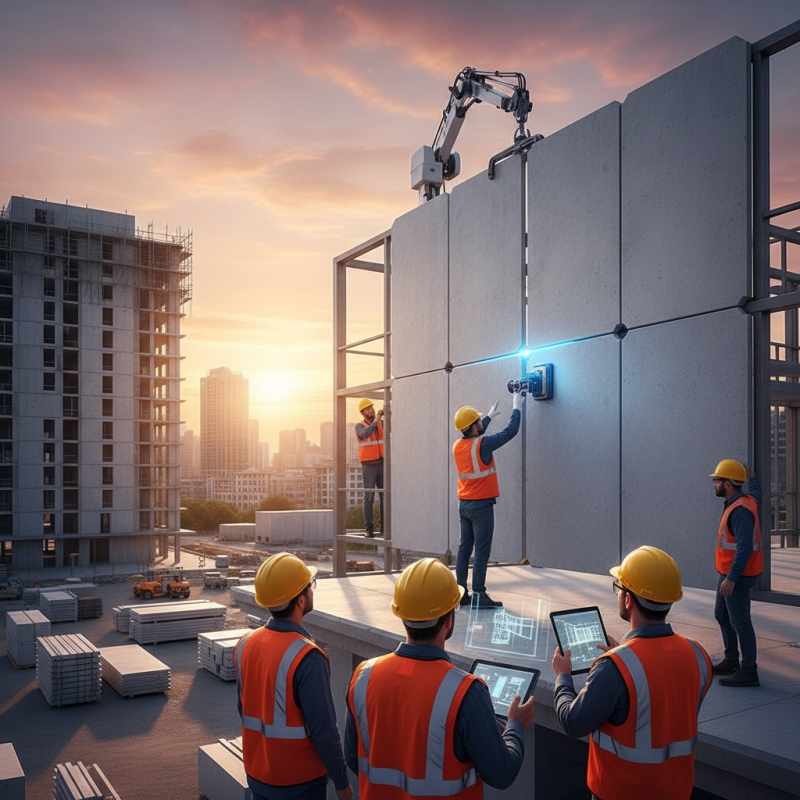
High efficiency construction materials offer significant advantages in reducing labor costs. These materials are designed for quicker installation and enhanced durability, which means workers spend less time on site. For instance, pre-fabricated components can save hours of assembly time. This efficiency can lead to a 20% reduction in labor costs on various projects.
Using high efficiency materials reduces the chance of errors and rework. Traditional methods are often prone to mistakes that require additional labor to fix. By integrating modern materials that are easy to use, the risk of such inefficient practices diminishes. Workers can focus more on quality rather than fixing previous shortcomings. That said, training may be needed to ensure all team members understand these new methods.
Challenges can still arise. Not all teams may adapt quickly to new materials. Initial costs might be higher, causing hesitation. Contractors must balance the upfront expenses against long-term savings. This requires a careful analysis of project scope and labor needs. Embracing these innovations can fundamentally change the labor dynamics in construction.
High efficiency construction materials are transforming modern projects. Many builders are turning to sustainable options. These materials often reduce labor costs while enhancing durability and performance.
One popular choice is advanced composites. These materials are lightweight yet strong. For instance, carbon fiber reinforced polymers can reduce structural weight by up to 50%. This not only lowers transportation costs but also shortens construction time. According to a 2022 report from the International Energy Agency, using these materials can cut energy consumption in buildings by 30% over their lifecycle.
Another growing category is insulated concrete forms (ICFs). ICFs offer superior insulation compared to traditional materials. They can improve energy efficiency by 50% or more, which reduces heating and cooling requirements. This has profound implications for operational costs in commercial buildings. However, some may find the initial investment higher. Balancing upfront costs with long-term savings requires careful consideration. Ultimately, the choice of materials influences both financial outcomes and environmental impact.
The choice of construction materials can significantly impact labor productivity. Efficient materials often streamline processes. They reduce the need for excessive labor, leading to cost savings. For example, prefabricated panels can be assembled offsite. This minimizes time spent on complex tasks at the job site.
Additionally, innovative materials can enhance worker safety. Lightweight materials can reduce physical strain, leading to fewer injuries. This improves overall morale and efficiency on the site. However, not all innovative materials are universally effective. Depending on project specifics, results may vary. It is crucial to assess each situation based on material properties and installation requirements.
Labor productivity also depends on training. Workers must adapt to new materials. This requires time and effort. If not properly trained, the benefits of efficient materials may not be realized. A deep understanding of these materials is necessary for optimal utilization. Even the most efficient materials can lead to delays if mismanaged. Reflection on past projects helps identify areas for improvement.
In recent years, the construction industry has begun to prioritize efficiency alongside cost. Innovative materials have transformed various projects, leading to significant savings. One notable case involved a mid-sized building where the use of lightweight concrete reduced labor time by 30%. Workers found it easier to handle, cutting down on fatigue and increasing productivity.
Another example is the adoption of pre-fabricated panels. A recent residential project reported a 40% decrease in construction hours. The panels arrived on-site ready to install, minimizing on-site work and reducing errors. However, challenges arose with precise measurements. Some panels required adjustments, which delayed the schedule. This situation highlighted the need for thorough planning and communication between teams.
These examples illustrate the potential for high-efficiency materials to lower labor costs. But implementing new materials requires serious consideration. Every project varies, and not all materials will fit seamlessly. Companies must evaluate their unique circumstances and be prepared for potential hiccups during adaptation.
| Material Type | Cost per Unit | Labor Savings (%) | Project Duration Reduction (Days) | Environmental Impact (CO2 Reduction) |
|---|---|---|---|---|
| Insulated Concrete Forms | $15 | 30% | 10 | 0.8 tons |
| Precast Concrete Panels | $20 | 25% | 8 | 0.5 tons |
| Steel Stud Framing | $12 | 15% | 5 | 0.3 tons |
| Fiber-Reinforced Polymer | $30 | 40% | 12 | 1.0 tons |
High-efficiency construction materials are revolutionizing the industry. These materials not only enhance energy performance but also reduce overall labor costs. As companies adapt to new technologies, the demand for skilled workers is changing. Construction teams are focusing on mastering innovative materials.
Future trends indicate a shift towards prefabricated components. These elements can be easily assembled, minimizing on-site labor. Workers need training to handle new methods and technologies. Investment in worker education is crucial for maximizing the benefits of high-efficiency materials.
Challenges persist as companies transition. Not all workers are familiar with new processes, leading to potential delays. Some construction sites experience resistance to change. It's essential to understand these hurdles while promoting advanced materials. Effective management strategies will help bridge the gap between innovation and workforce readiness.
: High efficiency construction materials improve energy performance and reduce labor costs in modern projects.
They are lightweight, strong, and can significantly reduce structural weight, leading to savings in transportation and time.
ICFs enhance insulation and can improve energy efficiency by over 50%, impacting operational costs positively.
Initial investments in these materials may be higher, so careful consideration of long-term savings is essential.
Prefabricated components require less on-site labor, requiring workers to be trained in new assembly methods.
Many workers may lack familiarity with innovative processes, which can lead to project delays.
Proper training maximizes the potential benefits of advanced materials and minimizes operational hurdles.
Yes, some construction sites may resist adopting new materials and processes, impacting efficiency.
Companies should recognize challenges and invest in managing innovation alongside workforce readiness.
The choice of materials can significantly reduce the environmental footprint of construction, promoting sustainability.
In today's construction industry, the strategic use of high-efficiency construction materials can significantly help to reduce labor costs through high-efficiency construction materials. These advanced materials not only streamline the building process but also improve labor productivity by minimizing the time and effort needed for installation. Various types of these materials are available for modern projects, each designed to enhance performance and reduce waste.
Additionally, case studies on the successful implementation of cost-effective materials illustrate their potential impact on labor cost management. As we look to the future, the ongoing evolution of high-efficiency materials promises to further optimize construction practices, ensuring that companies can maintain competitiveness while effectively managing labor expenses. This trend highlights the importance of adopting innovative solutions in the quest for operational efficiency in construction.

Shengchuang Building