Reducing labor costs is crucial for the construction industry. The use of high-efficiency materials can achieve this goal. According to John Smith, a construction materials expert, "Reduce labor costs through high-efficiency construction materials is not just a goal; it's a necessity." His insight highlights the growing trend towards more efficient building practices.
High-efficiency materials can minimize the time workers spend on-site. They often require less labor for installation, which directly reduces overall costs. Moreover, these materials often lead to fewer errors during construction. This can result in lower repair costs later on. Adopting innovative solutions is essential for the industry to stay competitive.
However, the transition to high-efficiency materials can present challenges. Not all projects may benefit equally from these solutions. Some traditionalists resist change, fearing the unknown. It's important for business leaders to weigh the benefits against the potential learning curve. Continuous reflection on these decisions can pave the way for a more efficient future.
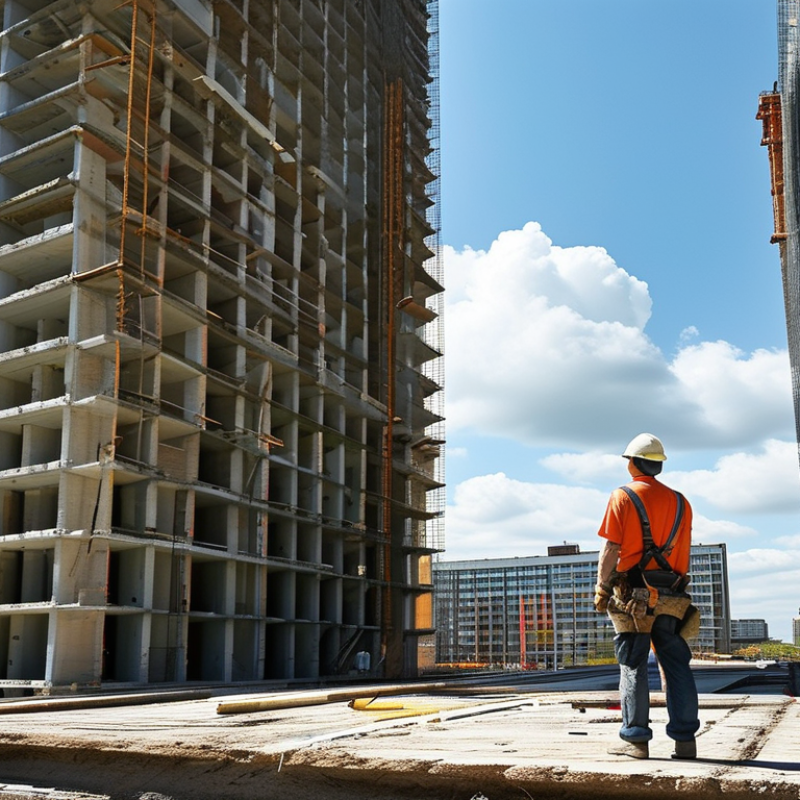
High efficiency construction materials have transformed the building industry. These materials save time, reduce costs, and enhance sustainability. They often outperform traditional options, providing better insulation and strength. This efficiency leads to lower labor costs by streamlining the construction process.
Tips: Choose materials that require less labor for installation. Prefabricated components can cut down on on-site assembly time. Investments in such materials pay off in the long run.
Understanding their benefits is crucial. High efficiency materials are designed to optimize energy use. For example, advanced insulation reduces heating and cooling needs. This brings down operational costs significantly. However, not every project suits high efficiency materials. Assess the specific needs and constraints of your construction before committing.
Tips: Evaluate the lifecycle of materials. Some may have a higher initial cost but lower maintenance needs. Seek feedback from experienced contractors about what works best in your region. This approach encourages informed decision-making, critical for any construction project.
Innovative materials in construction have transformed how projects are executed. These materials are designed to enhance efficiency while reducing labor costs. Using modular components, for example, can streamline assembly. Workers spend less time on-site, cutting costs significantly.
Many construction projects report substantial savings by utilizing high-efficiency materials. For instance, insulated concrete forms can lead to lower energy bills. This means long-term financial benefits extend beyond just initial costs. While these materials offer advantages, there may be nuances to consider. The initial investment can be higher, and not all teams are trained in these innovations. Thus, understanding each material’s long-term impact is crucial for effective budgeting.
Building with advanced materials can also present challenges. Sourcing these materials might be limited in some areas. Delays occur if suppliers do not meet deadlines. Moreover, the learning curve for new methods can slow down a project initially. It is essential to weigh these factors against potential savings. When well-managed, the benefits can outweigh the drawbacks.
This chart illustrates the potential cost savings achieved by using innovative construction materials compared to traditional materials in various construction projects. The data reflects the percentage of cost savings over a typical construction duration of 12 months.
Efficient materials can significantly enhance labor productivity on construction sites. When workers have access to high-quality, user-friendly resources, their efficiency increases. For instance, lightweight materials can reduce the physical strain on laborers, allowing them to work faster and with fewer breaks. This not only fosters a safer work environment but also accelerates project timelines.
Tips: Opt for materials that are easy to handle. This reduces wasted man-hours. Incorporating prefabricated components can streamline assembly, cutting down the need for extensive onsite labor. It is essential to constantly evaluate the productivity linked to each material choice.
However, relying solely on new materials may not always guarantee results. Some workers may require training to efficiently utilize these resources. A sudden switch to innovative materials could lead to temporary setbacks. It’s crucial to maintain an open dialogue among team members to address any challenges that arise during the transition. This collaborative approach can foster a learning environment.
Tips: Consider engaging in regular training sessions. This ensures everyone is comfortable with the materials being used. Feedback loops can highlight areas of struggle and success, leading to continuous improvement in the construction process.
High-efficiency construction materials can significantly lower labor costs. Case studies show that adopting these materials leads to enhanced productivity. One notable example is the use of pre-fabricated components. These modules are built off-site, which reduces the time spent on-site. A project in California witnessed a 30% reduction in labor hours due to this method. Workers focused on installation rather than construction, resulting in faster project completion.
When choosing high-efficiency materials, consider durability and maintenance. Projects using advanced composites achieved longer lifespans with lower upkeep costs. One construction site in New York saw savings of 25% in maintenance after using these materials. The upfront investment can be higher, but the long-term gains are evident.
Tips for implementation include thorough training for your workforce. Familiarize them with the new materials and techniques to maximize their potential. Regular feedback can also help to identify challenges early. Adjustments can be made based on real-time experiences. Keep in mind that not all projects will yield immediate results. It's important to have a long-term vision for efficiency and cost reduction.
The construction industry continually seeks innovative ways to lower labor costs while maintaining quality.
High efficiency construction materials have emerged as a crucial strategy in this regard. These materials not only simplify construction processes but also enhance project timelines. The adoption of modular components, for instance, can significantly reduce labor hours by minimizing on-site fabrication.
Tips: Invest in training your workforce. Knowledgeable workers can better utilize advanced materials. Regular training sessions also promote safety and efficiency.
Another trend is the use of sustainable materials. Eco-friendly options can lead to long-term cost savings. They often require less energy for production and can yield tax incentives. Moreover, using local materials can reduce transportation costs, further streamlining expenses.
Tips: Evaluate your local suppliers carefully. They may offer insights into emerging materials that could be beneficial. Building relationships here can foster mutual growth.
Reflections on these strategies are essential. Are all high efficiency materials suitable for your projects? Some may not meet your specific needs, leading to waste. Careful consideration is necessary to balance innovation with practicality.
: They are materials designed to save time and reduce costs in the building industry.
They enhance sustainability, provide better insulation, and improve overall strength.
Yes, they streamline construction processes, which can lead to lower labor expenses.
Yes, they can reduce on-site assembly time, leading to faster project completion.
Absolutely. Some may have higher initial costs but lower maintenance in the long run.
Not necessarily. It’s crucial to assess the specific needs of each project.
Thorough training helps workers maximize the materials' potential and ensures safety.
Yes, they often lead to long-term savings and can provide tax benefits.
Durability, maintenance needs, and the specific context of the construction project are key.
They may offer insights into emerging materials and foster beneficial relationships.
The article explores effective strategies to reduce labor costs through high-efficiency construction materials. It begins by outlining the key characteristics and benefits of these innovative materials, emphasizing their role in enhancing overall efficiency in construction projects. By evaluating the cost savings that come from using such materials, the article illustrates how they can not only lower expenses but also improve labor productivity and streamline project timelines.
Furthermore, it presents case studies showcasing successful implementations of high-efficiency materials, highlighting the tangible results achieved in various construction settings. As the construction industry evolves, the article also discusses future trends in these materials, offering insights into how they can further help to reduce labor costs and promote sustainable practices. Ultimately, embracing high-efficiency construction materials offers a promising path toward a more cost-effective and productive construction landscape.

Shengchuang Building