Reducing maintenance costs in construction is a critical concern for many industry professionals. According to a report by the Portland Cement Association, infrastructure deterioration costs the U.S. economy over $2 trillion annually. One effective strategy to combat this issue is to reduce maintenance costs with durable concrete protection systems. These systems enhance the lifespan of structures, decreasing the frequency of repairs and unexpected expenditures.
Durable concrete protection can lead to significant savings. A study by the International Concrete Repair Institute indicated that proper surface treatments extend the life of concrete structures by over 30%. Investing in these protective systems can be transformative for project budgets. However, many companies still overlook this strategic investment. It's essential to evaluate the long-term benefits of using advanced protection measures.
Common challenges arise in selecting the right system for specific environments. Professionals must consider factors like weather conditions and exposure to chemicals. While durable concrete protection offers clear advantages, the initial investment may seem daunting. Nonetheless, a shift towards these systems can lead to healthier financial projections in the long run. Reliability is key; therefore, proper research and understanding of available options is necessary.
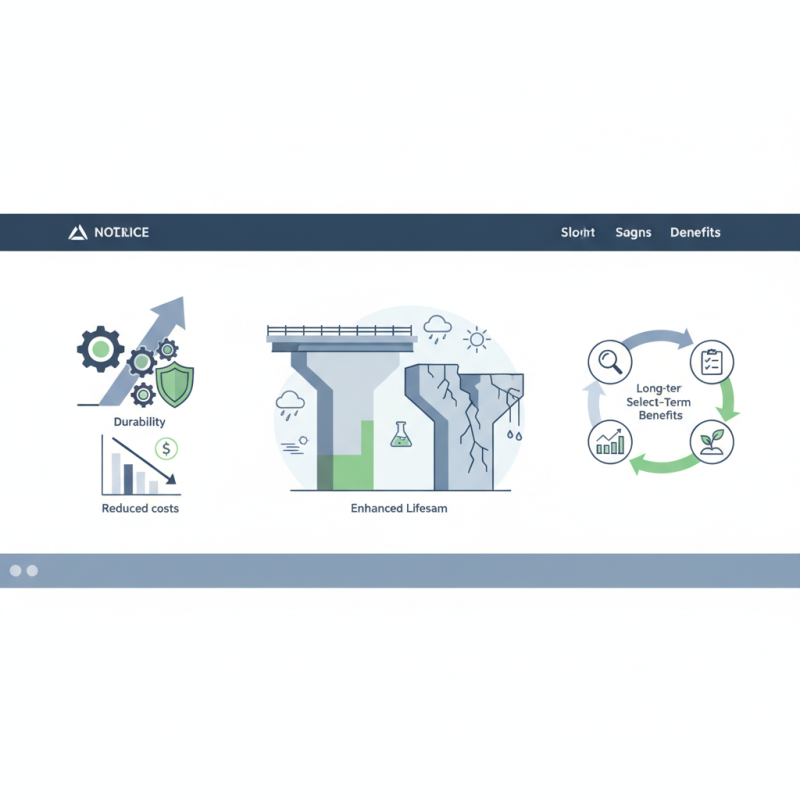
Durable concrete protection is essential for reducing maintenance costs over time. This approach involves using various methods and materials that enhance the longevity of concrete surfaces. By applying protective coatings or sealants, the integrity of the concrete is maintained, preventing costly repairs. These protective measures keep water, oil, and chemicals from seeping into the material, which can cause damage.
One of the key benefits of durable concrete protection is its ability to withstand weathering and wear. Weather changes can weaken concrete, leading to cracking and spalling. A well-protected concrete surface can resist these elements effectively. However, many still underestimate the importance of regular inspection and application of protective layers. Sometimes, even minor defects can grow into larger problems if ignored. This emphasizes the need for consistent maintenance, which can further prevent hefty repair bills down the line.
The application of durable protection isn't just about the material used; it also requires expertise. Proper techniques must be followed to ensure optimal results. Hiring professionals can guarantee that the protection applied meets the specific needs of the environment. A poorly executed job might lead to a false sense of security and eventual failure. In the end, investing in durable concrete protection pays off, but only if carried out correctly.
Concrete deterioration in infrastructure is a significant concern. Various factors contribute to the degradation of concrete structures. Common culprits include environmental exposure, freeze-thaw cycles, and chemical attacks. These elements lead to cracks and spalling, ultimately compromising structural integrity.
Tips to combat concrete deterioration: Regular inspections can help identify issues early. Ensure that drainage systems work properly to avoid water accumulation. Additionally, using high-quality sealants can offer protective benefits. The sensitivity of concrete to chlorides from road salt can also lead to corrosion of reinforcing steel.
The cost of repairs can escalate rapidly if problems are not addressed promptly. Therefore, proactive measures are essential. Investing in durable concrete protection can significantly reduce maintenance expenses. Educating personnel on proper handling and installation techniques is equally important. Regular training can increase awareness of the risks associated with poor concrete practices.
When it comes to the durability of concrete, industry standards play a critical role. High-quality materials and proper installation techniques can significantly influence long-term performance. Adhering to these standards not only enhances durability but also leads to substantial maintenance cost savings. Research shows that properly protected concrete can last for decades with minimal upkeep.
Tips for reducing costs include applying protective coatings. These coatings can prevent moisture penetration and limit damage from freeze-thaw cycles. This simple step helps maintain integrity while cutting down on repair frequency. Regular inspections can identify minor issues before they become major problems. Proactive maintenance is often more affordable than extensive repairs.
It's worth noting that some projects overlook the importance of environmental factors. Local climate conditions can greatly affect concrete performance. Ignoring these elements can lead to unexpected costs and repairs. Ensure that your projects account for weather patterns, soil types, and potential chemical exposure. Making informed decisions based on these factors will further enhance durability and reduce maintenance concerns.
Implementing concrete protection systems can lower maintenance costs significantly. Case studies reveal that durable solutions extend the lifespan of concrete structures. For instance, in a large municipal project, a waterproofing membrane was used. This choice reduced repair needs by over 40%. Regular inspections confirmed the membrane's effectiveness.
Another example comes from a highway development. A high-performance surface treatment was applied, resisting de-icing chemicals. The concrete showed minimal deterioration under harsh winter conditions. Local authorities reported fewer maintenance disputes, showcasing the efficacy of proactive solutions. However, applying these systems isn’t without challenges. Some projects faced initial cost hesitations.
Understanding the longevity of protected structures requires careful planning. Professionals must evaluate environmental factors thoroughly. Each site presents unique issues. As seen in recent deployments, ongoing assessment ensures these systems perform as intended. A case in point highlighted unexpected peeling of a protective layer. Prompt modification addressed the issue, but it raised questions about initial application methods. Such experiences create opportunities for improvement.
Investing in durable concrete solutions can significantly impact long-term financial health. According to industry reports, proper concrete protection reduces maintenance costs by up to 30%. This translates to substantial savings over a building's lifecycle. Durable concrete can withstand heavy traffic, harsh weather, and chemical exposure. These resilient materials ensure structural integrity, which is vital for avoiding future repair costs.
Tips: Regular inspections are crucial. They help catch minor issues before they escalate. Consider using protective sealants to enhance durability. Look into adopting advanced concrete technology to minimize vulnerability.
The initial investment in durable solutions pays off. Research indicates that buildings with high-quality concrete have a 50% lower likelihood of needing major repairs. Additionally, durable concrete can improve energy efficiency, leading to lower operational costs. Yet, some may underestimate the importance of early intervention in maintenance. Ignoring small cracks can lead to bigger problems, reflecting a lack of foresight that could strain finances.
| Concrete Type | Durability Rating | Initial Investment ($) | Average Maintenance Cost/Year ($) | Expected Lifespan (Years) | Total Cost Over Lifespan ($) | Cost Savings Compared to Standard Concrete ($) |
|---|---|---|---|---|---|---|
| High-Performance Concrete | Very High | 15,000 | 300 | 50 | 30,000 | 5,000 |
| Fiber-Reinforced Concrete | High | 12,000 | 400 | 40 | 22,000 | 3,000 |
| Protective Coatings | Moderate | 8,000 | 600 | 30 | 24,000 | 6,000 |
| Standard Concrete | Low | 5,000 | 800 | 20 | 21,000 | 0 |
: Industry standards ensure high-quality materials and installation, enhancing long-term concrete performance.
Protective coatings prevent moisture penetration and reduce damage from freeze-thaw cycles, cutting repair frequency.
Inspections help identify minor issues early, which can prevent them from becoming major, costly repairs.
Local climate and soil conditions significantly affect concrete performance, potentially leading to unexpected costs if ignored.
Case studies show that protective systems can reduce repair needs by over 40% and extend concrete lifespan significantly.
Durable concrete can reduce maintenance costs by up to 30%, leading to savings over a building's lifecycle.
Protective sealants enhance durability by guarding against environmental damage and extending lifespan.
Initial cost hesitations and unexpected performance issues, like peeling layers, can arise during application.
Ignoring small cracks often leads to bigger problems, reflecting poor foresight and potentially straining finances.
Advanced technology minimizes vulnerability and enhances resilience against harsh conditions, ensuring long-term performance.
The article "How to Reduce Maintenance Costs with Durable Concrete Protection" explores the significance of implementing durable concrete protection systems in infrastructure. It begins by explaining durable concrete protection and its benefits, addressing common factors that contribute to concrete deterioration, which can lead to increased maintenance expenses. The article further discusses industry standards that emphasize concrete durability and highlight the potential for cost savings in maintenance.
Case studies are presented to showcase the effective implementation of concrete protection systems, illustrating real-world applications and their successes. Finally, the long-term financial impacts of investing in durable concrete solutions are examined, demonstrating how these systems can significantly reduce maintenance costs with durable concrete protection systems. By prioritizing durability, stakeholders can ensure the sustainability and cost-efficiency of their infrastructure projects.
Shengchuang Building