In 2026, reducing waste in concrete and mortar requires more than replacing cement with alternative materials. It demands better decisions from the laboratory to the jobsite. Every discarded batch represents wasted aggregates, binder, water, energy, and transport capacity. A fuller approach can help manufacturers Reduce material waste in concrete and mortar formulations while protecting strength, durability, and workability.
Professor Karen Scrivener, a leading cement scientist, has emphasized, “We need to use less cement in concrete.” This principle remains practical. Producers can begin by measuring moisture in aggregates, correcting batch water, and calibrating scales daily. A small moisture error can make fresh mortar too fluid. Workers may then reject the batch or add unnecessary cement. Better particle grading can also fill voids more efficiently. It may reduce paste demand without sacrificing placement performance.
The strongest waste-reduction programs connect mix design with real production data. Track rejected loads, leftover mortar, bleeding, slump variation, and early strength results. Use those records to adjust proportions carefully. Recycled water and suitable supplementary cementitious materials may offer further benefits, subject to local specifications and verified performance. However, not every substitute works everywhere. Supply quality can change. Some assumptions fail.
That uncertainty deserves attention. A mix that performs well in a laboratory may behave differently beside a windy construction site. Trial batches, technician feedback, and independent testing remain essential. Waste reduction is not a single product choice. It is a continuous discipline involving accurate measurement, responsible sourcing, and honest review of results.
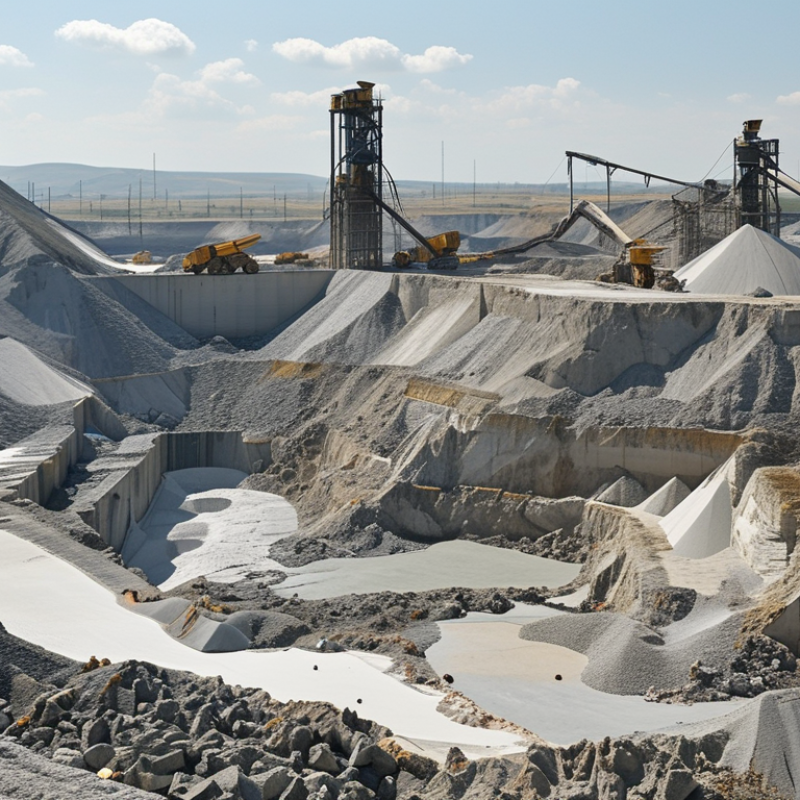
Understanding Material Waste in Concrete and Mortar
How to Reduce Material Waste in Concrete and Mortar in 2026?
Understanding Material Waste in Concrete and Mortar
Material waste begins before concrete reaches the formwork. It includes over-ordering, inaccurate batching, rejected loads, pump-line residue, spillage, and hardened washout. Mortar waste often hides in half-used tubs, dropped mixes, and thick joints. A few shovels per worker can become several tonnes across a project.
The U.S. Environmental Protection Agency reported about 600 million tonnes of construction and demolition debris in 2018. Concrete represented roughly 67.5% of that total. This figure covers more than fresh-mix losses, but it shows the scale of the problem.
Measurement must be practical. Compare ordered volume with placed volume for every pour. Record returned concrete, washout, and damaged bags separately. A delivery ticket alone cannot explain waste. The 2023 UNEP Global Status Report identifies cement and concrete production as major sources of construction-related carbon emissions. Reducing discarded material therefore saves more than disposal costs. It also avoids unnecessary extraction, transport, and cement production.
Yet site records are rarely perfect. Moisture changes sand volume, and small batching errors are easy to overlook. That is why a weekly material reconciliation should include photographs, batch weights, and crew comments.
A 3% loss may look acceptable. It may still signal poor formwork, rushed handling, or inaccurate quantity estimates. In 2026, better waste control will depend less on ambitious claims and more on honest, repeatable measurement.
Planning Mix Designs to Minimize Raw Material Loss
How to Reduce Material Waste in Concrete and Mortar in 2026?
Planning Mix Designs to Minimize Raw Material Loss
Reducing material waste starts before the mixer runs. A practical mix plan matches production volume with verified demand, not rough assumptions. Measure the work area, expected placement thickness, and likely overbreak. Then calculate batch yield using actual material densities. Small errors multiply quickly. A two percent moisture change in sand can alter water content, slump, and final yield. Record aggregate moisture before each production shift, especially after rain.
Use locally available aggregate sizes and review their grading curve before setting the cement or binder content. Better particle packing can reduce paste demand without weakening performance. Trial batches should test slump, air content, density, workability, and compressive strength where required. For mortar, check sand bulking and monitor water absorption. A calibrated scale matters more than a confident guess. Compare theoretical quantities with the material discharged from each batch.
Our first trial often looks efficient on paper but produces too much leftover material. That result needs review, not concealment. Adjust batch sizes, delivery timing, and the planned safety allowance. Store cement and dry additives under controlled conditions to prevent moisture damage. Schedule smaller deliveries when storage space is limited. Fresh leftover concrete or mortar should only be reused when the specification permits it and its properties remain suitable. Otherwise, separate it safely and record the loss, so the next mix plan reflects reality rather than optimism.
Reusing Surplus Concrete and Mortar Materials
How to Reduce Material Waste in Concrete and Mortar in 2026?
Reusing Surplus Concrete and Mortar Materials
Concrete and mortar leftovers do not always belong in a waste bin. On active sites, crews can sort usable surplus within minutes. Fresh concrete can fill small foundations, equipment pads, kerbs, or temporary barriers. Mortar may support repairs, bedding, or non-structural masonry. The choice depends on mix design, age, contamination, and required strength. A clean bucket is often more valuable than rushed disposal.
A practical reuse process starts with separate containers for concrete, mortar, wash water, and soil. Record the batch time and intended use before the material begins setting. Technicians should check consistency, contamination, and performance requirements. Hardened concrete can be crushed for approved fill or recycled aggregate, but testing remains necessary. Dust control also matters during crushing and handling. Small details prevent larger failures.
We have found that reuse works best when planned before pouring begins. Yet, the system is not perfect. Surplus volumes are easy to misjudge, especially during changing weather or late design adjustments. One failed attempt involved saving mortar that had already stiffened; it produced weak joints and had to be removed. That mistake reinforced a simple rule: reuse only material with a known history and suitable condition. Clear site records help supervisors make defensible decisions. Workers also need authority to reject questionable leftovers, even when disposal feels wasteful.
How to Reduce Material Waste in Concrete and Mortar in 2026?
Reusing surplus concrete and mortar can reduce the demand for virgin materials. Aggregates and sand represent the largest share of typical mixes, making them the primary materials to recover, screen, and reuse when quality requirements allow.
Representative material quantities per cubic metre based on common mix proportions. Actual values vary according to strength class, aggregate grading, moisture content, and project specifications.
Measuring Waste Reduction and Optimizing Future Projects
Reducing concrete and mortar waste in 2026 starts with reliable measurement. Measure the leftovers. Record each delivered batch, placed volume, returned material, and hardened waste. A simple waste rate is calculated as delivered volume minus incorporated volume, divided by delivered volume. Multiply the result by 100. Use calibrated scales and verified batch tickets. Small errors matter.
Track results by activity, not only by project. A foundation pour may lose material through uneven excavation, while wall mortar may be wasted through overmixing. Photograph unused material before disposal. Note weather, crew size, pump delays, and changes in the drawings. These details reveal patterns that invoices cannot show. The record was imperfect. Some quantities were estimated because wet material was not weighed consistently.
Future projects can use these measurements to adjust ordering and production. Compare planned volume with actual placement every week. Reduce order allowances when repeated data supports a smaller buffer. Keep a controlled reserve for complex pours and difficult access areas. Review mortar mixing times and batch sizes with site supervisors. Digital models can improve quantity forecasts, but field verification remains essential. An experienced technician should check moisture content, aggregate grading, and consistency before approving adjustments. Independent testing can confirm that lower waste has not reduced strength or durability. One project may achieve a 7% reduction, while another may expose poor measurement rather than genuine improvement. That distinction deserves careful review.
How to Reduce Material Waste in Concrete and Mortar in 2026? - Measuring Waste Reduction and Optimizing Future Projects
2026 Waste-Reduction Measurement Plan
| Material |
Planned Quantity |
Reference Density |
Baseline Waste Rate |
Baseline Waste |
2026 Target Rate |
Target Waste |
Avoided Waste |
Reduction |
Primary Control Measure |
| Ready-mixed concrete |
1,000 m³ |
2.40 t/m³ |
5.0% |
50.0 m³
120.0 t |
3.0% |
30.0 m³
72.0 t |
20.0 m³
48.0 t |
40.0% |
Digital quantity takeoff, pour-size planning, and return-load tracking |
| Site-batched mortar |
500 t |
2.00 t/m³ |
8.0% |
40.0 t |
5.0% |
25.0 t |
15.0 t |
37.5% |
Batch-size calibration, protected storage, and reuse of workable surplus |
| Precast concrete elements |
300 t |
2.40 t/m³ |
2.0% |
6.0 t |
1.0% |
3.0 t |
3.0 t |
50.0% |
Standardized dimensions, factory quality checks, and damage prevention during transport |
| Grout and repair mortar |
120 t |
2.00 t/m³ |
10.0% |
12.0 t |
6.0% |
7.2 t |
4.8 t |
40.0% |
Accurate void measurement, smaller mixed batches, and controlled application thickness |
| Total |
— |
— |
— |
178.0 t |
— |
107.2 t |
70.8 t |
39.8% |
Target reduction compared with the project baseline |
Waste Rate Formula
Waste rate = discarded material ÷ delivered material × 100
Avoided Waste Formula
Avoided waste = baseline waste − target waste
Measurement Frequency
Record deliveries, installed quantities, returns, and disposal weights weekly
Data note: Planned quantities and target rates are a transparent planning dataset for project optimization. Actual waste rates should be calculated from delivery tickets, quantity takeoffs, batch records, return records, and weighed disposal data. Reference densities use commonly applied nominal values of 2.40 t/m³ for hardened concrete and 2.00 t/m³ for mortar; project-specific mix designs should take precedence.
Conclusion
Reducing material waste in concrete and mortar begins with understanding where losses occur, from inaccurate estimates and over-ordering to spillage, segregation, poor storage, and unused material left after placement. To Reduce material waste in concrete and mortar formulations, project teams should develop mix designs that balance strength, workability, durability, and efficient use of cementitious materials, aggregates, water, and admixtures. Careful planning can also reduce excess batches and prevent raw materials from becoming unsuitable before use.
Accurate batching, consistent mixing, and controlled placement are equally important. Calibrated equipment, trained operators, suitable delivery timing, and proper site coordination can limit rejected or poorly placed material. Surplus concrete and mortar may be reused where technically appropriate, such as for secondary elements, temporary works, or approved recycled aggregate applications. Finally, contractors should track material inputs, placed quantities, returned loads, rejected batches, and disposal volumes. Reviewing these measurements after each project helps identify recurring problems and improve future mix designs, ordering practices, and site procedures.
 Shengchuang Building
