Concrete structures face many challenges. Environmental factors like moisture, chemicals, and temperature fluctuations can deteriorate concrete over time. To combat these issues, engineers look to innovative solutions. One solution is the use of protective additives. They are designed to enhance the durability and longevity of concrete materials.
The benefits of protective additives are significant. They can strengthen the concrete matrix, improve resistance to external elements, and enhance overall performance. By using these materials, we can extend the service life of concrete structures with protective additives. This approach not only protects investments but also promotes sustainability in construction practices.
However, reliance on additives brings its own challenges. Construction professionals must understand product compatibility and application methods. Each project has unique needs, and appropriate additives must be selected carefully. Balancing cost with performance is essential. As the construction industry evolves, continuous learning and adaptation will be crucial for achieving optimal results in concrete longevity.
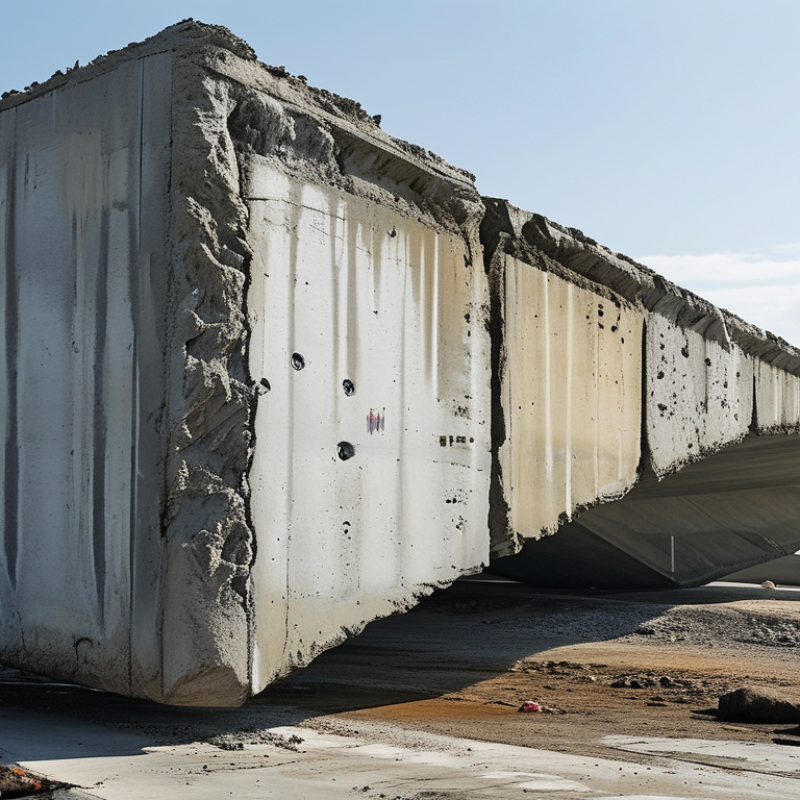
Protective additives play a crucial role in enhancing the lifespan of concrete structures. These materials improve resistance to environmental factors such as water, chemicals, and temperature fluctuations. They can be mixed directly into concrete or applied as a coating. Proper use of these additives reduces the chance of cracking and corrosion, which often lead to structural failure.
Understanding how protective additives work can help in designing more durable infrastructures. For instance, hydrophobic additives repel water and prevent moisture-related damage. On the other hand, anti-carbonation additives shield against carbon dioxide infiltration, which can weaken concrete over time. It's fascinating how these simple changes can have a significant impact on long-term performance. Yet, it's crucial to recognize that not all additives are created equal. Their effectiveness can vary based on application methods and environmental conditions.
Using protective additives also requires awareness of potential downsides. Some may alter the setting time of concrete. Others might affect the color or texture. This variability necessitates careful planning and consideration. Engaging with experts during the selection process is essential. Knowledge about the specific environment where concrete will be used can lead to better choices. Ultimately, the right protective additives, combined with informed application, can significantly enhance the longevity of concrete structures.
| Additive Type | Purpose | Benefits | Expected Lifespan Extension | Usage Scenarios |
|---|---|---|---|---|
| Corrosion Inhibitors | Preventing steel rebar corrosion | Increases durability, reduces maintenance | 5-10 years | Bridges, marine structures |
| Waterproofing Agents | Preventing water infiltration | Reduces freeze-thaw damage, improves longevity | 10-15 years | Foundations, basements |
| Plasticizers | Improving workability | Enhances strength, reduces cracking | Varies based on mix design | High-performance concrete |
| Air-Entraining Agents | Creating microscopic air bubbles | Improves resistance to freeze-thaw cycles | 10+ years | Cold climate regions |
| Fiber Reinforcers | Enhancing tensile strength | Reduces cracking, improves impact resistance | 15-20 years | Industrial floors, pavements |
: Protective additives enhance concrete's lifespan by improving resistance to water, chemicals, and temperature fluctuations.
They reduce porosity, fill micro-cracks, and enhance bonding between aggregates and cement for better cohesion.
Yes, some additives may change the setting time, color, or texture of concrete, affecting its performance.
Hydrophobic additives repel water, preventing moisture-related damage and enhancing the structure's durability.
Corrosion inhibitors protect steel rebar within concrete, improving its overall integrity and longevity.
Experts can help tailor additive selection to specific environmental conditions, ensuring better performance and longevity.
It's essential to monitor performance to identify any unexpected results and adjust maintenance strategies as needed.
Structures with protective additives can last up to 50 years longer than those without them, reducing maintenance costs.
No, their effectiveness can vary based on application methods and specific environmental conditions.
Thorough testing ensures compatibility with existing materials and informs better decision-making regarding additive use.
The use of protective additives in concrete plays a crucial role in enhancing the durability and longevity of structures. These additives, which can be categorized into various types, work by improving resistance against environmental factors such as moisture, chemicals, and temperature fluctuations. Understanding the mechanisms of action allows engineers and builders to strategically select additives that best suit specific project needs, ultimately contributing to the strength and performance of the concrete.
By incorporating protective additives, construction projects can significantly benefit from reduced maintenance costs and extended service life of concrete structures with protective additives. This proactive approach not only minimizes the frequency of repairs needed over time but also ensures that the structures remain safe and functional for longer periods, providing lasting value to the built environment.

 Shengchuang Building