Within the global infrastructure matrix, grouting has transformed from a basic void-filling process to a highly specialized discipline requiring precise material science. As structures undergo dynamic seismic loads, exposure to corrosive marine environments, and severe thermal stresses, traditional cementitious mortars fall short. Custom Advanced Grouting Technologies provide the essential material properties needed to meet today's rigorous engineering specifications.
Modern grouting systems must satisfy multiple requirements: fluid rheology for deep penetration, rapid development of compressive strength, shrinkage compensation, chemical resistance, and long-term durability. Achieving these targets requires tailored formulations. Advanced admixtures, including polycarboxylate-based superplasticizers (PCE), precise set-retarders like high-purity sodium gluconate, and polymer modifiers, are critical to managing hydration kinetics and microstructural formation.
Geotechnical and structural engineering requirements vary significantly by region. Industrial expansion in North America and Western Europe focuses on rehabilitating aging civil infrastructure—such as bridges, highway overpasses, and water management channels. In contrast, rapid urbanization across the Asia-Pacific region requires advanced materials for deep-subway systems, high-speed rail networks, and high-performance maritime structures.
These demanding applications require grouting materials that perform consistently under diverse field conditions. Key requirements include:
At the core of Shengchuang's technological leadership is an understanding of cement hydration chemistry, polymer cross-linking kinetics, and interfacial shear strength.
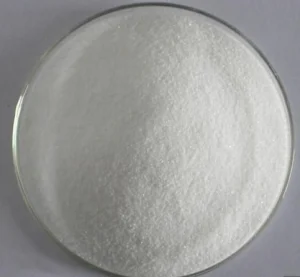
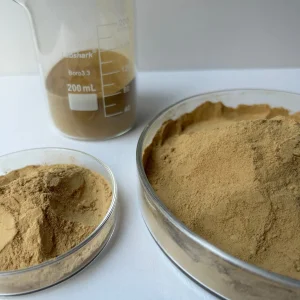
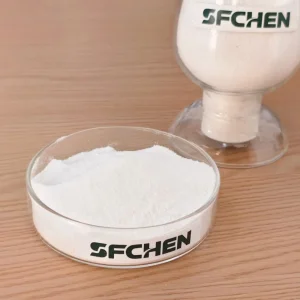
Using high-purity admixtures like Sodium Gluconate 98% allows precise control over cement setting times. By temporarily chelating calcium ions on the surface of hydrating cement particles, sodium gluconate extends the plastic state of the mix without compromising final mechanical strength. Combined with Polycarboxylate Ether (PCE) Superplasticizers, this allows for high water reduction (exceeding 30%) and excellent slump retention, enabling pumpable, self-consolidating mixes with very low water-to-binder ratios.
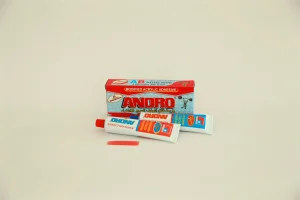
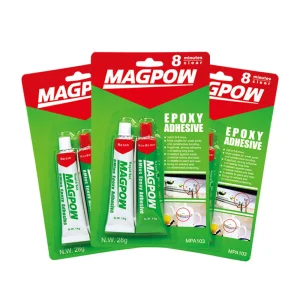
For applications subject to extreme vibration, thermal shock, or high tensile stresses, traditional mineral binders are augmented by organic systems. Our High-Temperature Modified Epoxy and Acrylic AB Glues form highly cross-linked networks that resist thermal degradation up to 150°C. These systems are ideal for anchoring machinery, repairing cracks in dynamic highway slabs, and sealing swimming pools where chemical resistance and flexible bonding are required.
Super-low viscosity formulations designed to seal micro-fissures down to 0.1 mm, preventing water ingress and reinforcing structural integrity.
Epoxy and acrylic polymer matrices engineered to maintain mechanical properties under fluctuating thermal loads and extreme chemical exposure.
Incorporation of bio-based air entrainers, such as triterpene saponins, and biodegradable retarders to support green building practices.
Advanced grouting is not a one-size-fits-all solution; materials must perform under specific regional and environmental conditions:
In cold climates, concrete structures face severe freeze-thaw degradation. To address this, we integrated our Triterpene Saponin Concrete Air-Entraining Agent into local repair mortars. This agent introduces stable, microscopic air voids throughout the cement matrix. These voids relieve the hydrostatic pressure generated by freezing water, mitigating cracking in dams, bridge piers, and municipal roadways.
An industrial project in the Middle East required dynamic machinery grouting in ambient temperatures exceeding 45°C. Standard cementitious grouts would dry out rapidly, leading to plastic shrinkage cracks and structural failure. By utilizing a customized mix featuring a high dose of Sfc-Sg03 98% High Purity Sodium Gluconate Retarder alongside a high-dose PCE water reducer, the contractors maintained high workability and flow for over two hours, ensuring void-free installation under heavy gas turbine foundations.
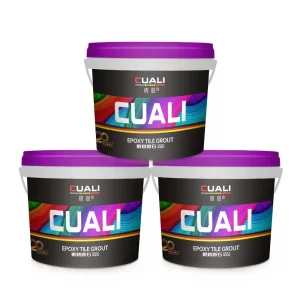
In humid coastal resorts, swimming pools require highly durable jointing materials to withstand sanitizing chemicals and constant water immersion. Our Waterproof Non-Shrinkable & Anti-Yellowing Epoxy Tile Grout provides a long-lasting barrier system. Unlike traditional grout, this formulation resists acidic pool cleaners, prevents mold growth, and retains color stability under direct UV exposure.
We are a national high-tech enterprise that has been dedicated to the field of special concrete structure construction, bonding, reinforcement, and protection since 2008. We boast numerous patents covering bridge, tunnel, concrete structure reinforcement systems, and concrete repair technologies.
Our technical capability extends to next-generation materials like UHPC Cladding Panels (Ultra-High Performance Concrete), which combine high compressive strengths (over 120 MPa) with architectural design flexibility. These panels utilize advanced fiber reinforcement and optimized particle packing to achieve low permeability, frost resistance, and high structural durability.
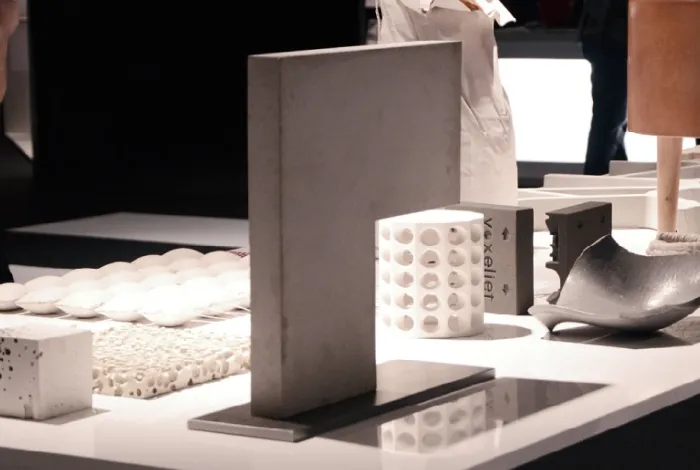
Figure 1: Architectural application of Ultra-High Performance Concrete (UHPC) Panels showcasing high density and finish quality.
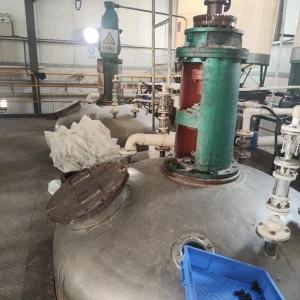
Operating from our integrated manufacturing facilities in China, Shengchuang provides consistent supply, quality assurance, and cost efficiencies for global infrastructure projects. Our facilities control the entire production pipeline, from synthesized raw materials to finished products:
Shengchuang's R&D division focuses on developing sustainable, high-performance concrete solutions:
Developing industrial by-product binders (slag and fly ash) to lower the carbon footprint of structural grouts while maintaining high acid resistance.
Incorporating bacterial or chemical micro-capsules within cementitious matrices to automatically repair micro-cracks upon moisture exposure.
Integrating carbon-nanotube sensors into grouting mixes to enable real-time monitoring of hydration, internal stress, and long-term structural health.
Global civil engineering projects require compliance with local building codes. Our technical team works alongside project designers, geotechnical engineers, and contractors to ensure all formulations meet regional standards:
We provide testing data verifying compliance with international standards such as ASTM C1107 (Standard Specification for Packaged Dry, Hydraulic-Cement Grout), EN 1504 (Products and systems for the protection and repair of concrete structures), and local environmental limits on Volatile Organic Compounds (VOCs) for indoor applications.
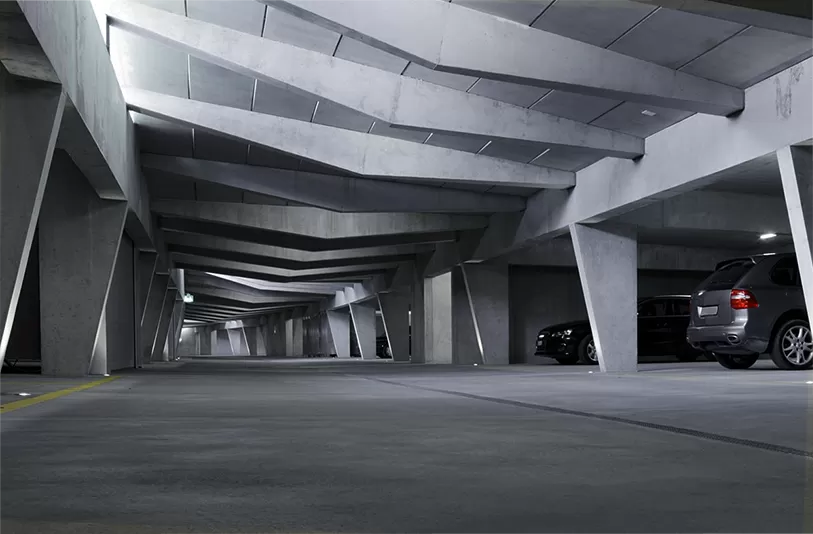
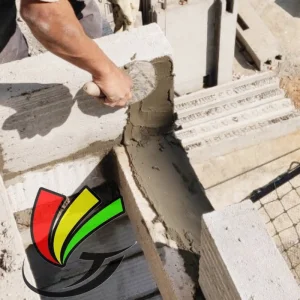
Figure 2: Site structural repair utilizing specialized high-performance cementitious systems.
Ultra-High Performance Concrete (UHPC) panels feature a dense microstructure, compressive strengths exceeding 120 MPa, and internal fiber reinforcement. This allows them to resist moisture absorption, survive freeze-thaw cycles, and provide high impact resistance, even with thinner, lighter cross-sections.
At 98% purity, sodium gluconate delays cement hydration by adsorbing onto calcium silicate phases. This retards the set time predictably, allowing for extended working and finishing windows during hot-weather concrete placements or long transport distances, without impacting long-term strength.
Yes. Our Waterproof, Non-Shrinkable & Anti-Yellowing Epoxy Tile Grout is specifically formulated for mosaic swimming pools. It forms an impermeable seal that resists chlorine, pool acids, and UV yellowing, preventing joint erosion and tile debonding.
Our products are manufactured to meet ASTM international specifications (such as ASTM C1107 for grouts) and European Norms (EN 1504 series for concrete repair). Batch-specific test certificates detailing mechanical and chemical properties are provided upon request.
 Shengchuang Building