In the modern industrial landscape, chemical exposure is the silent destroyer of infrastructure. Whether dealing with sulfuric acid in wastewater plants, solvent exposure in manufacturing facilities, or the aggressive environmental salts attacking bridges, specialized chemical resistant coatings are no longer optional—they are critical assets.
The industry is currently pivoting from traditional heavy-solvent coatings to high-performance, sustainable polymer systems. As a leading manufacturer, we emphasize:
Procurement professionals now prioritize compliance and longevity over initial price. Our role as a global supplier involves navigating diverse regulatory frameworks (such as ISO, REACH, and ASTM standards) to ensure that whether you are in North America, Europe, or Asia, the product delivers identical performance. We provide:
Established Year
Patents Held
Countries Served
Technical Support
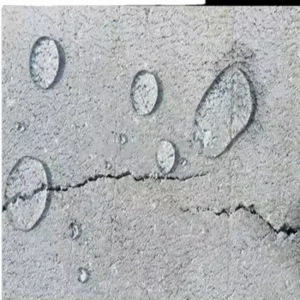
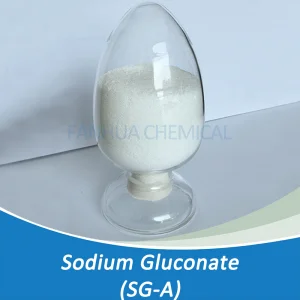
Our R&D division is focused on the next generation of Self-Healing Concrete Admixtures and Hybrid Epoxy Systems. We understand that a coating is only as good as the substrate it protects. Therefore, our solutions are designed to be part of a complete ecosystem: from concrete strengthening additives to the final chemical barrier.
By leveraging AI in our formulation process, we predict product degradation patterns based on environmental data, allowing us to supply "Project-Specific" coatings that last 20% longer than industry standard formulations.
Selection depends on the specific chemical concentration, temperature of the substrate, and the type of concrete. Our technical team conducts compatibility testing to ensure the epoxy or polymer bond holds against the specific stressor.
We are a high-tech enterprise, not just a supplier. We own the patents and the manufacturing capability, which eliminates third-party risks and ensures our raw material consistency is unmatched.
Yes. Our engineering team provides remote consultation and, for major infrastructure projects, on-site guidance to ensure correct application and safety standards.
 Shengchuang Building