High-durability structural solutions engineered for carbon mitigation and enhanced lifecycle metrics.
The global construction sector is undergoing a profound paradigm shift. As structural engineering grapples with the imperative of decarbonization, the demand for green construction chemistries and specialized concrete solutions has surged exponentially. Under the framework of global environmental accords and regional regulations—such as the EU Green Deal and China's "Dual Carbon" (30/60) targets—embodied carbon footprint optimization has migrated from an optional ESG metric to a core regulatory mandate.
Modern sustainable architecture focuses significantly on minimizing the carbon footprint of concrete structures. Standard cement production accounts for approximately 8% of global CO₂ emissions. To mitigate this impact, modern material science leverages specialized additives such as Polycarboxylate Superplasticizers (PCE) and aliphatic water reducers. These chemicals enable high-volume supplementary cementitious materials (SCM) incorporation without sacrificing early-age compressive strength or structural durability. Simultaneously, innovative architectural solutions like Ultra-High Performance Concrete (UHPC) enable thinner, highly durable structural components, dramatically lowering overall raw material consumption.
Transitioning to green concrete admixtures and high-solids formulation directly curbed greenhouse gas emissions in industrial structural assemblies by up to 40%. Our high-grade polycarboxylate lines ensure optimal fluid flow at minimized water-to-binder ratios, maximizing architectural integrity.
Our solutions conform to international green building benchmarks including LEED, BREEAM, and DGNB. Engineered formulations minimize VOC discharge while maintaining compliance with rigorous ASTM and European (EN) structural specifications.
A National High-Tech Enterprise Dedicated to Special Concrete Structures, Reinforcement, and Protection Systems since 2008.
We are a national high-tech enterprise that has been dedicated to the field of special concrete structure construction, bonding, reinforcement, and protection since 2008. We boast numerous patents covering bridge, tunnel, concrete structure reinforcement systems, and concrete repair technologies.
Our comprehensive portfolio features industry-leading formulations, including concrete admixtures, specialized mortars/grouts, epoxy resins, concrete repair materials, structural strengthening systems, and innovative construction solutions. By focusing heavily on material efficiency and carbon footprint reduction, SINO-SINA has positioned itself as a critical supplier for major commercial projects, public infrastructure, and heavy industrial applications globally.
We offer a comprehensive range of products including concrete admixtures, specialized mortars/grouts, epoxy resins, concrete repair materials, structural strengthening systems, and innovative construction solutions.
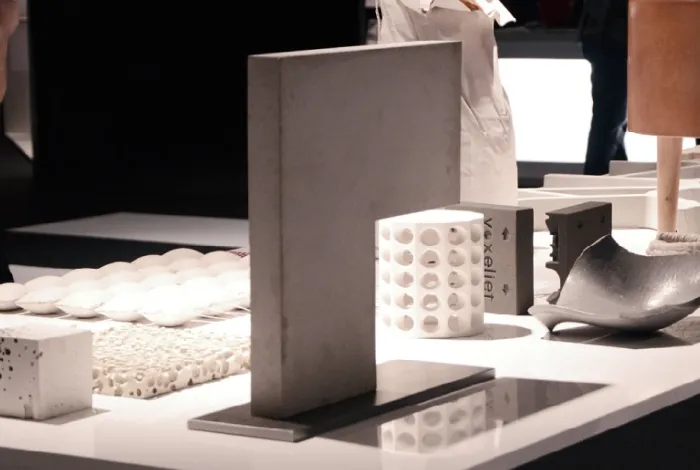
New Generation Concrete Technology: UHPC cladding panel, also known as UHPC panels, refers to the application of ultra-high performance concrete in the form of precast panels for architectural cladding purposes. UHPC is a specialized type of concrete that possesses exceptional strength, durability, and aesthetic properties.
Understanding the shifting chemical structures and application methodologies in global sustainable construction.
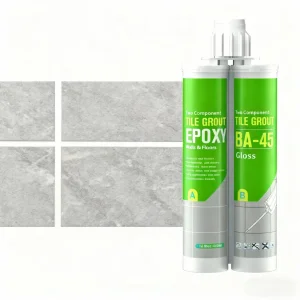
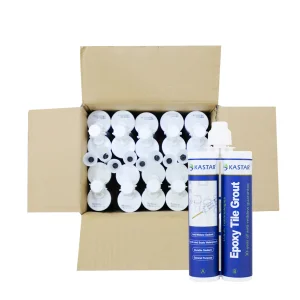
Conventional petroleum-derived epoxy resins are increasingly substituted with bio-sourced alternatives derived from agricultural by-products and plant lipids. SINO-SINA's laboratory focuses on developing eco-friendly curing agents and low-VOC water-based epoxy grouts to maintain performance while significantly reducing carbon footprints.
Polycarboxylate ether (PCE) architectures are transitionally synthesized with customizable side-chain density. Modern PCE molecules exhibit superior steric hindrance and electrostatic dispersion, permitting high-flow concrete mixtures at extremely low water-to-cement ratios, optimizing raw materials.
Incorporating micro-silica, mineral slag, and carbon-capturing aggregates directly into structural repair mortars is key. The future involves materials that act as carbon sinks, converting atmospheric CO₂ or industrial emissions into stable crystalline structures within concrete matrices.
UHPC constitutes a significant technological leap in modern concrete science. Traditional concrete has a compressive strength of 30-50 MPa. In contrast, SINO-SINA's UHPC formulations exceed 150 MPa. This exceptional mechanical threshold is achieved by optimized particle packing, low water-to-binder ratios, and micro-fiber reinforcement. The resulting structural elements require significantly less material thickness, which reduces transport costs, foundation loads, and raw material utilization, providing excellent support for green architectural frameworks.
Real-world applications of sustainable materials across heavy civil engineering, industrial settings, and commercial developments.
High-vibration transit systems demand superior fatigue resistance. SINO-SINA's innovative polymer anti-crack mortars and quick-setting repair grouts offer rapid structural curing. These systems repair spalled concrete and seal water ingress without requiring complete reconstruction, preserving resources.
Architects targeting low-carbon goals rely on SINO-SINA UHPC cladding panels and water-based epoxy grouting. These materials combine low-emission formulations with exceptional weatherability, improving facade thermal efficiency and reducing maintenance schedules.
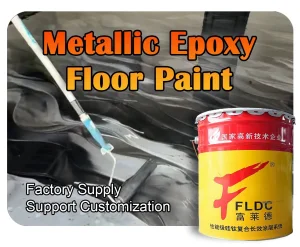
Chemical processing facilities, garages, and cleanrooms require highly chemical-resistant surfaces. SINO-SINA's metallic epoxy flooring and polyurethane waterproof coatings provide dust-proof, moisture-barrier protection that withstands heavy forklift operations without releasing toxic fumes.
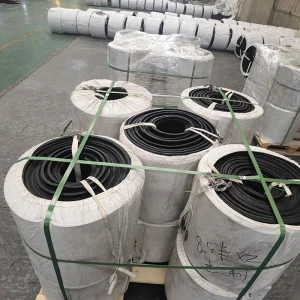
Marine structures, canals, and reservoirs face severe degradation from water pressure and chloride attack. Using expanding rubber waterstop bands along with non-shrink grout ensures watertight joints and long-term durability. These materials swell upon contact with moisture, filling voids to prevent chemical and water seepage. Combined with polymer-modified repair mortars, they significantly extend the lifespan of marine and water treatment structures, reducing the need for costly reconstructive maintenance.
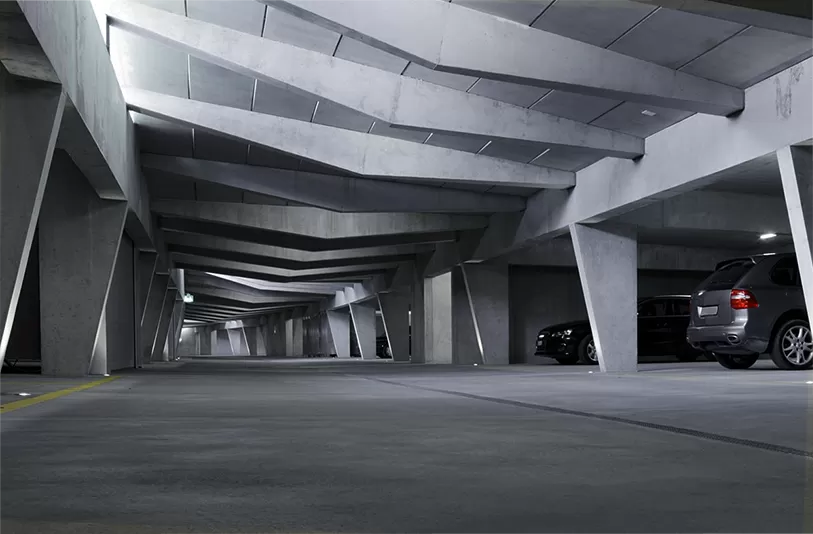
Shengchuang Concrete Integrated Project Solutions
Addressing essential queries regarding formulation, logistics compliance, ASTM/EN standards, and customizations.
High-durability structural repair mortars, waterstops, adhesives, and UV-resistant resins.
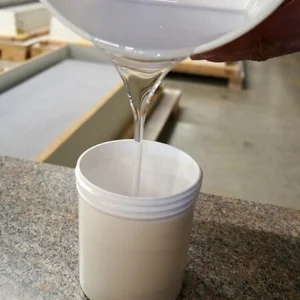
 Shengchuang Building