Direct OEM/ODM Solutions for Structural Bonding, Water Reduction, and Surface Reinforcement
An Engineering & Procurement Analysis of Zero-VOC Polymer Chemistry, Global Environmental Standards, and Manufacturing Economies of Scale in China
In modern industrial facilities, commercial real estate, and public infrastructure projects, floor coatings are no longer evaluated solely on mechanical strength or wear resistance. Global regulatory updates—such as European REACH compliance, US South Coast Air Quality Management District (SCAQMD) Rule 1113, and LEED v4.1 indoor air quality benchmarks—have mandated a fundamental transition toward non-toxic, zero-volatile organic compound (zero-VOC), and low-emission polymer chemistry.
Traditional solvent-borne epoxy and polyurethane coatings emit significant volumes of toxic aromatics, aromatic amines, free formaldehyde, and heavy metal catalysts (such as dibutyltin dilaurate) during curing and across their operational lifespan. Off-gassing of volatile compounds contaminates ultra-clean environments, compromises indoor health, and prevents fast facility turnaround.
Leading Chinese chemical engineering complexes have spearheaded the synthesis of advanced zero-VOC binder systems, including:
Non-toxicity does not compromise mechanical integrity. Chinese chemical manufacturing hubs utilize high-purity raw materials and precise stoichiometry to deliver 100% solids polyaspartic and epoxy resin matrices that surpass conventional solvent systems in tensile elongation (up to 150%) and abrasion resistance (CS-17 wheel loss < 20 mg after 1,000 cycles).
To assist global procurement officers and structural engineers in selecting the correct eco-friendly floor system, the following data table compares key performance metrics across leading non-toxic flooring technologies manufactured in China.
| Coating Technology | Solid Content (%) | VOC Emissions (g/L) | Shore D Hardness | Tensile Strength (MPa) | Pot Life / Walk-On Time | Key Certifications |
|---|---|---|---|---|---|---|
| 100% Solid Cycloaliphatic Epoxy | 100% | < 5 g/L | 82 - 86 | 55 - 65 MPa | 45 mins / 24 Hours | ISO 16000, AgBB, REACH |
| Aliphatic Polyaspartic Coating | 98% - 100% | < 2 g/L | 75 - 80 | 35 - 45 MPa | 15 mins / 2 Hours | LEED v4.1, SCAQMD 1113 |
| Waterborne Polyurethane Concrete | 90% - 95% | 0 g/L | 80 - 85 | 40 - 50 MPa | 30 mins / 12 Hours | FDA 21 CFR 175.300, HACCP |
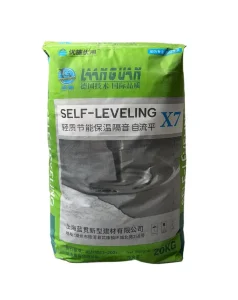
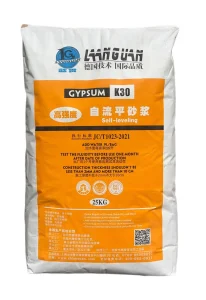
| Polymer-Modified Self-Leveling Mortar | 100% (Dry Mix) | 0 g/L | 70 - 75 | 30 - 38 MPa | 40 mins / 6 Hours | CE EN 13813, GreenGuard Gold |
China has evolved into the world's primary hub for advanced construction chemicals, structural epoxy prepolymers, and high-performance polyaspartic resins. Factory clusters in Shandong, Jiangsu, and Guangdong integrate the entire supply chain—from raw petro-chemical cracking to monomer synthesis, additive refining, and automated packaging.
Direct domestic access to bisphenol-F, aliphatic isocyanates (HDI/IPDI trimers), and eco-admixtures enables raw material cost reductions of 25% to 40% compared to Western manufacturers.
Modern Chinese coating factories operate multi-ton continuous reaction kettles equipped with NIR (Near-Infrared) spectrometry to verify batch-to-batch polymer uniformity and zero unreacted free monomers.
Factories provide tailored batching for regional climates—adjusting catalyst reactivity for cold storage operations (-20°C) or tropical high-humidity application environments.
Engineered Coating Systems Custom-Tailored for Critical Industry Workflows
Cleanroom environments demand seamless, non-porous floor surfaces capable of enduring aggressive chemical sanitation (peracetic acid, vaporized hydrogen peroxide) while emitting zero particulate contamination. Waterborne epoxy and self-leveling aliphatic systems satisfy ISO 14644 cleanroom air requirements and eliminate bacterial harbor points.
Subjected to severe thermal shock (steam cleaning up to 120°C), organic acids, and continuous water exposure. Heavy-duty 6mm-9mm waterborne polyurethane mortar coats resist steam cleaning, provide wet-slip resistance (R11/R12 ratings), and conform to FDA 21 CFR 175.300 standards for indirect food contact.
Heavy AGV (Automated Guided Vehicle) traffic and high-bay forklift operations require exceptional surface abrasion resistance and joint stability. Rapid-curing polyaspartic coatings allow facilities to be recoated overnight and returned to full load bearing capability within 12 hours, minimizing operational downtime.
Pioneering High-Tech Construction Systems, Structural Reinforcement, and Concrete Polymer Chemistry Since 2008
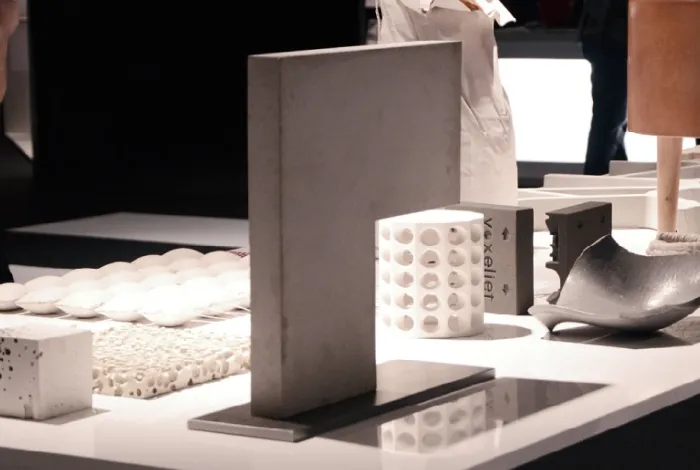
We offer a comprehensive range of products including concrete admixtures, specialized mortars/grouts, epoxy resins, concrete repair materials, structural strengthening systems, and innovative construction solutions engineered for high durability and environmental safety.
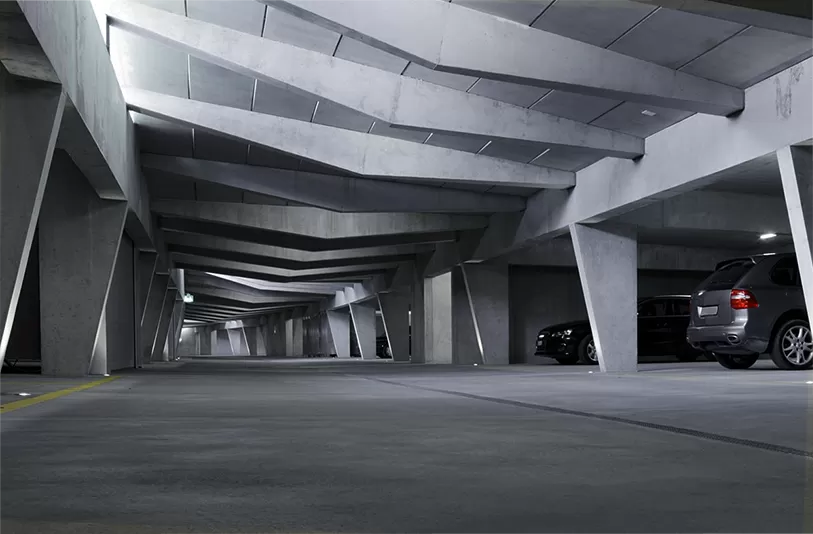
Rigorous Quality Validation Ensuring Seamless Import & Local Regulatory Approval
Our non-toxic coatings meet Low-Emitting Materials requirements (EQ Credit 2) with verified TVOC testing according to CDPH Standard Method v1.2, enabling green building projects to earn maximum rating points.
Certified free from Substances of Very High Concern (SVHC), phthalates, bisphenol-A (in designated BPA-free formulations), and alkylphenol ethoxylates (APEOs), conforming with EU Regulation (EC) No 1907/2006.
Specific waterborne epoxy and polyaspartic topcoats undergo extractables testing for water, heptane, and ethanol contact, qualifying them for direct food processing zone installations.
In-Depth Answers regarding Non-Toxic Coating Chemistry, Substrate Preparation, OEM Customization, and Logistics
A non-toxic floor coating system is defined by its chemical composition and post-cure emission behavior. Technically, it must contain 0% solvent diluents, zero free formaldehyde, zero volatile aromatic amines (such as MDA or TDA), and zero heavy metal curing accelerators. In testing, it must demonstrate a Total Volatile Organic Compound (TVOC) emission rate below 0.5 mg/m³ at 28 days following ISO 16000 standards and satisfy GreenGuard Gold or AgBB criteria for indoor air quality.
Polyaspartic technology is an aliphatic polyurea derivative that provides significant engineering advantages over traditional epoxy resins. While solvent-free epoxies require 24 to 48 hours before foot traffic, polyaspartic coatings cure within 2 to 4 hours due to their ester-amine reaction kinetics. Additionally, polyaspartics possess 100% UV resistance (non-yellowing), superior flexibility (elongation rates of 100%-150% vs 2%-5% for epoxy), and higher abrasion resistance under heavy vehicular movement.
Because zero-VOC high-solids systems do not contain aggressive solvents to bite into existing surfaces, mechanical surface preparation is crucial. Concrete substrates must be shot-blasted or diamond-ground to achieve a Concrete Surface Profile (CSP) of CSP 3 to CSP 5 according to ICRI guidelines. Surface moisture vapor emission rate (MVER) must be tested via ASTM F1869 (calcium chloride) or ASTM F2170 (relative humidity probe); if RH exceeds 85%, a non-toxic epoxy moisture mitigation primer must be applied first.
Yes, Chinese chemical factories offer extensive formulation customization (OEM/ODM). For cold-storage applications operating at sub-zero temperatures down to -20°C, accelerator catalysts such as tertiary amines or low-temperature polyaspartic hardeners are blended in. For high-humidity tropical climates, ambient moisture-tolerant curing agents are utilized to prevent surface blushing, amine bloom, or pinhole defects during application.
When stored in original, unopened steel drums under dry conditions between 15°C and 25°C, two-component non-toxic resins have a shelf-life of 12 to 24 months. Because solvent-free coatings contain no flammable solvents, they are classified as Non-Dangerous Goods for international ocean freight (IMDG Code), significantly lowering international shipping costs, port handling fees, and hazardous material surcharges.
High-Strength Engineered Mortars, Geotextiles, and Permeable Eco-Surfaces
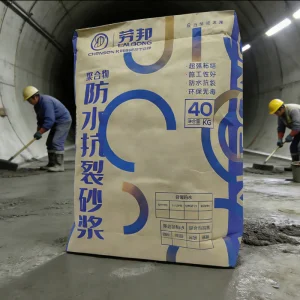
 Shengchuang Building