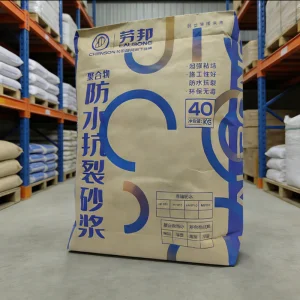
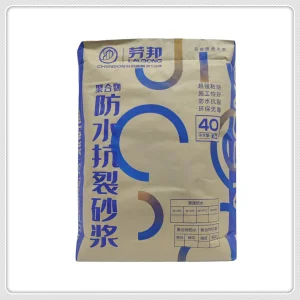
In the rapidly advancing world of civil engineering, waterproof rendering mortar has transitioned from a simple protective layer to a high-tech engineered material. Globally, the demand for durable, water-resistant, and high-strength mortar solutions has reached an all-time high. Whether it is for high-rise facades in humid coastal cities, underground tunnel systems, or industrial floorings in chemical plants, the right waterproofing material determines the lifespan of the entire structure.
Today, the industrial landscape is dominated by Advanced Polymer Modified Rendering Mortar and Rapid Repair Systems. As urban environments grow more complex, the need for materials that can withstand hydrostatic pressure, prevent carbonation, and offer rapid setting properties has forced suppliers to innovate beyond traditional cement-sand mixes. This guide explores why choosing the right factory and supplier is critical for project success.
Designed to provide a seamless barrier against moisture ingress, protecting steel reinforcement from corrosion.
Technologically optimized for fast curing, reducing project downtime and labor costs significantly.
Using precision chemistry to balance elasticity and compressive strength for various climate zones.
The global construction chemicals market, specifically the waterproof mortar segment, is experiencing a compound annual growth rate (CAGR) of over 6%. This growth is fueled by massive infrastructure investments in Southeast Asia, the Middle East, and the renovation of aging structures in Europe and North America.
Sustainability is the leading trend. Factories are now focusing on "Green Mortar" – reducing the carbon footprint of cement production while maintaining high strength. Additionally, self-healing technologies are being integrated into rendering mortars, allowing micro-cracks to seal themselves when exposed to moisture.
Industrial applications have moved beyond simple wall renders. We now see these materials used in:
Procurement managers today prioritize Compliance and Consistency. When sourcing from Top 10 Suppliers, international buyers look for:
Applying negative-side waterproofing to prevent groundwater seepage in deep basement parking lots and shopping malls.
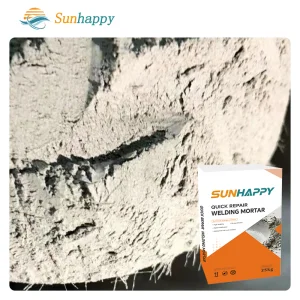
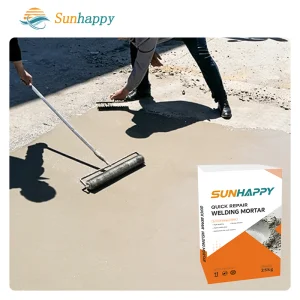
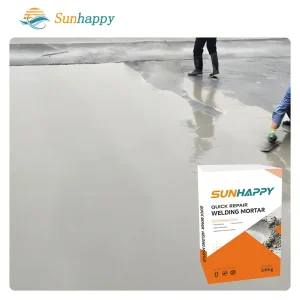
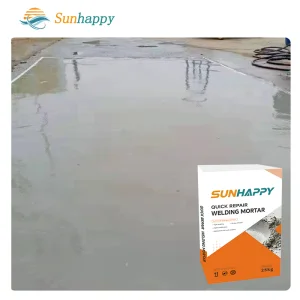
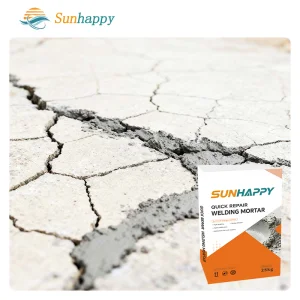
High-strength repair mortars used for welding concrete segments and protecting against heavy traffic vibrations and moisture.
Anti-crack rendering mortars that provide aesthetic wall finishes while ensuring no water penetrates into the living space.
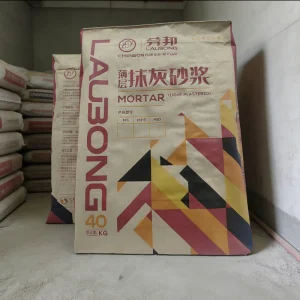
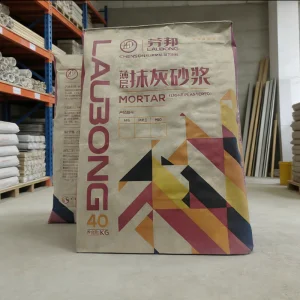
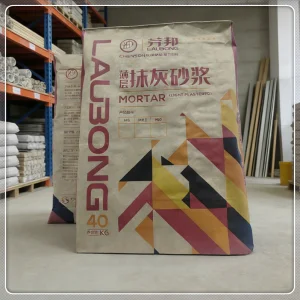
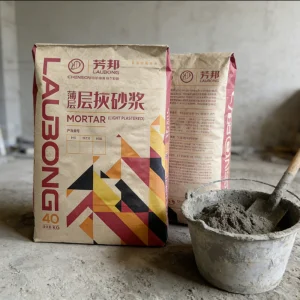
Our products, such as the Professional Waterproof Anti Crack Rendering Mortar, are specifically formulated to meet the harsh demands of these environments, ensuring longevity and structural integrity.
As a leading Chinese factory in the construction chemical sector, we offer distinct advantages that international suppliers often cannot match:
Our mission is to provide High-Quality Cement Mortar that rivals the best European brands at a more competitive price point.
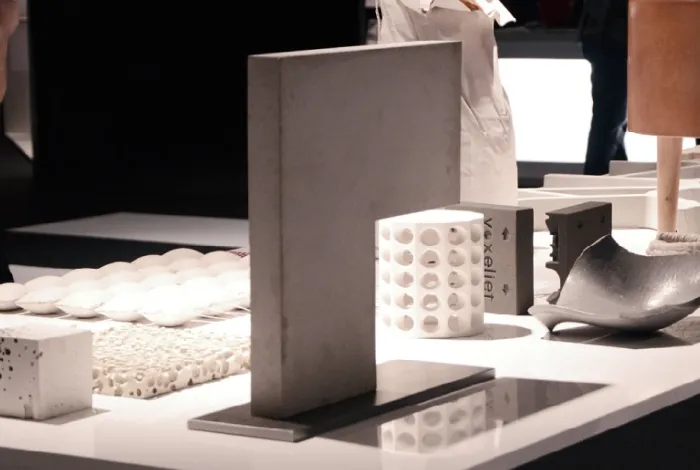
UHPC (Ultra-High Performance Concrete) cladding panels represent the pinnacle of concrete technology. These panels offer exceptional strength and durability with slim profiles, allowing for architectural freedom that was previously impossible.
The term Rendering Mortar specifically refers to the process of applying a coat of cement to the external or internal walls of a building to provide a smooth or textured surface. When we add the "Waterproof" requirement, the chemistry becomes significantly more complex. Modern suppliers utilize Styrene-Butadiene Rubber (SBR) or Acrylic polymers to enhance the adhesion and flexibility of the mortar. This is crucial because concrete structures naturally expand and contract; without a flexible waterproof layer, the rendering would crack, allowing water to penetrate.
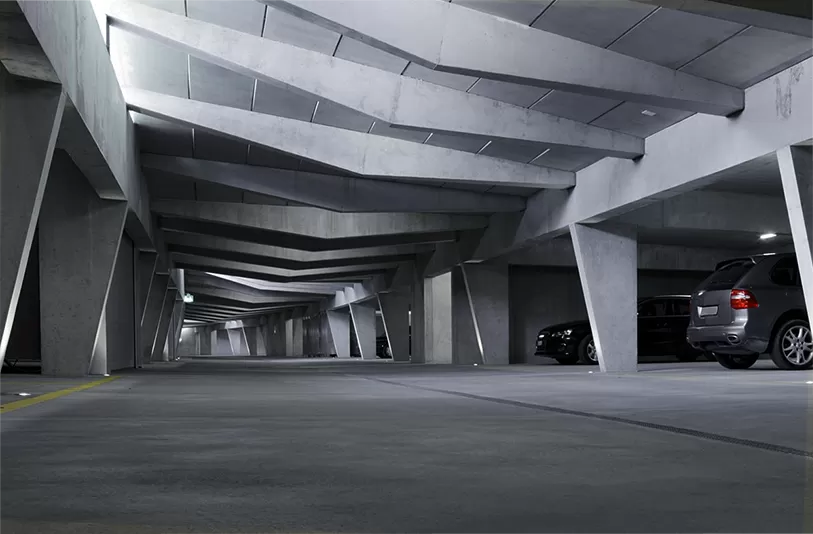
In the industrial sphere, Repair Mortars are often synonymous with rendering mortars when used for structural maintenance. For example, in a garage or basement, a High Strength Cement Repair Mortar must not only be waterproof but also be able to withstand the mechanical wear of vehicle tires. This requires a high compressive strength, often exceeding 60 MPa.
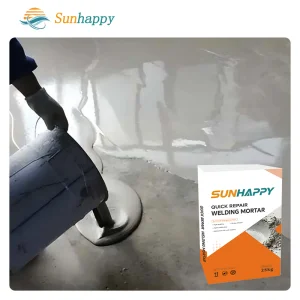
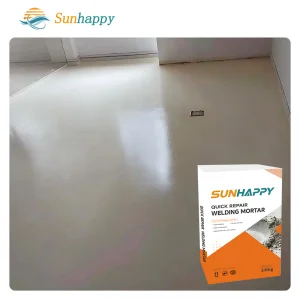
From a global business perspective, the transition towards self-leveling cement mortars has revolutionized flooring. These materials allow for rapid leveling of large surfaces in factories and warehouses, creating a perfectly flat, waterproof, and dust-proof base for further epoxy coatings or direct use. Our factory focuses on "Low Shrinkage" formulas, which are the primary concern for engineers globally. Shrinkage leads to curling and cracking, which are the main failure points in industrial flooring.
Localized application needs vary. In the Middle East, the focus is on heat resistance and low water evaporation rates during the curing process. In Northern Europe, freeze-thaw resistance is the priority. Our role as a versatile manufacturer is to provide the "Advanced Polymer Modified" variants that can be adjusted for these specific climatic conditions. This localized approach is what places a supplier in the Top 10 ranking globally.
Finally, the economic factor cannot be ignored. Global procurement teams are looking for the "Wholesale Price" advantage without sacrificing the "Professional" grade quality. By maintaining a High-Tech Enterprise status in China, we leverage state-subsidized R&D and advanced logistical hubs to deliver these specialized materials to any port worldwide, ensuring that modern infrastructure remains safe, dry, and durable for decades to come.
 Shengchuang Building