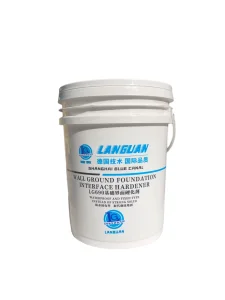
Explore our high-performance concrete admixtures, specialized polymer-modified mortars, and heavy-duty structural bonding systems designed for durability and extreme performance.
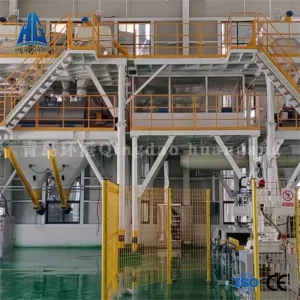
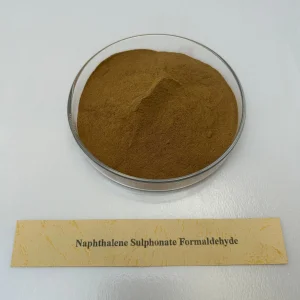
A technical overview of macro-level industrial transitions toward solvent-free, highly resilient emulsion systems.
Global regulations (such as REACH, LEED v4, and regional ultra-low VOC rules) dictate a shift from solvent-based systems. Our water-based formulations utilize premium Redispersible Polymer Powders (RDP) and advanced polymer emulsions to achieve strict compliance while delivering superior structural performance.
By engineering complex structural chains involving acrylic-polyurethane hybrids and Ethylene-Vinyl Acetate (EVA) systems, we address the common limitation of traditional water-based formulations: water sensitivity. Our technologies ensure long-term durability in highly humid and outdoor marine environments.
Water-based dispersions exhibit excellent wetting behavior on porous substrates. Our formulations are chemically designed to penetrate micro-cavities within concrete, cementitious self-leveling floors, and dry-mix plaster systems, optimizing mechanical interlocking and adhesion.
The transition toward green infrastructure is transforming global adhesive consumption. Water-based adhesives now command the largest share of the global industrial adhesives market, driven by rapid urbanization and infrastructure renewal programs across the Americas, Europe, and the Asia-Pacific region.
In high-performance infrastructure projects—such as precast concrete elements, bridge deck construction, and tunnel grouting—engineers prioritize materials that minimize environmental footprint without compromising safety. This requires water-based systems to deliver high early strength development, thermal resilience, and resistance to environmental stress cracking.
| Adhesive Base Type | Typical Solid Content | Tensile Shear Strength (MPa) | VOC Emission Profile | Key Industrial Applications |
|---|---|---|---|---|
| Vinyl Acetate Ethylene (VAE) | 50% - 55% | 1.5 - 3.0 | Ultra-Low (< 5g/L) | Dry-mix mortar modifiers, plastering, interior drywall bonding |
| Pure Acrylic Dispersion | 45% - 50% | 2.0 - 4.5 | Low (< 20g/L) | Exterior masonry coatings, concrete caulking, roof sealants |
| Polyurethane Dispersions (PUD) | 35% - 40% | 5.0 - 12.0 | Low-to-Medium | Automotive composites, high-end laminated panels, waterproofing membranes |
| Solvent-Borne Epoxy (For Comparison) | 70% - 100% | 15.0 - 25.0 | High (> 250g/L) | Heavy heavy-duty structural anchoring, machine bases |
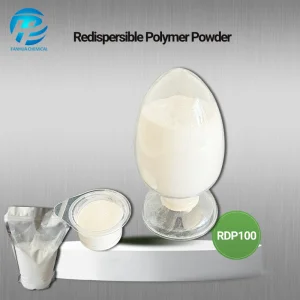
Shengchuang’s polymer-modified systems, including our Redispersible Polymer Powder (RDP) and specialized water-reducing agents, serve as critical additives that enhance these properties. They bridge the gap between water-based environmental benefits and solvent-borne mechanical performance.
Shengchuang Concrete (also recognized as SINO-SINA) is a national high-tech enterprise dedicated to the specialized fields of concrete structure construction, bonding, reinforcement, and comprehensive protection. Since our inception in 2008, we have focused on high-performance chemical engineering solutions.
Our proprietary innovations span multiple patents covering advanced bridge rehabilitation, tunnel sealing, concrete structure reinforcement systems, and concrete repair technologies. By combining advanced polymer chemistry with practical structural engineering, we supply key components to landmark civil engineering projects worldwide.
Our portfolio features next-generation materials like Ultra-High Performance Concrete (UHPC) Cladding Panels. These architectural cladding panels offer exceptional strength, durability, and aesthetic versatility, redefining modern facade engineering.
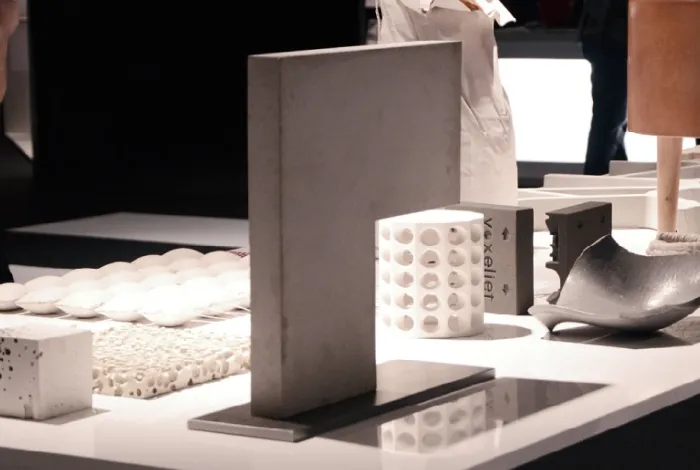
How specialized water-based polymer formulations and admixtures solve complex engineering challenges on-site.
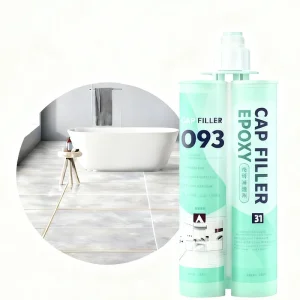
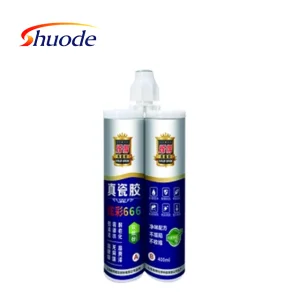
Modern building designs demand highly flexible tile grouts that resist shrinkage and cracking. Our double-tube epoxy and polymer-modified cementitious mixtures leverage water-based polymer matrices to ensure excellent elasticity and water resistance, accommodating structural expansion and contraction.
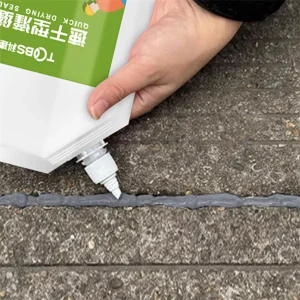
Transportation infrastructure requires fast-setting materials with minimal down-time. Our specialized road repair compounds utilize high-efficiency polymer formulations to enable fast curing, high flexural strength, and long-term durability under heavy traffic loads.
Installing Ultra-High Performance Concrete (UHPC) panels demands high-strength bonding and caulking systems. Water-based structural primers and sealants ensure clean surfaces and secure interfaces, preventing wind-load delamination and moisture intrusion.
The next decade of adhesive design will be shaped by sustainability and digitalization. Shengchuang's R&D roadmap focuses on three main fronts:
Shengchuang offers localized technical assistance to ensure smooth international project execution. We help optimize formulations for regional climates (from cold high-altitude zones to humid tropical environments) and comply with local environmental standards, including European REACH and American VOC requirements. Our engineering team provides detailed material data sheets (MDS) and certificates of analysis (CoA) for all shipments.
Essential guidance on selecting and applying water-based polymer systems in modern concrete construction.
Discover our range of durable sealants, high-strength grouting materials, and concrete curing agents developed for harsh operating environments.
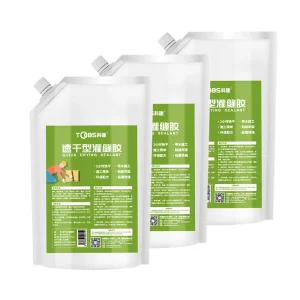
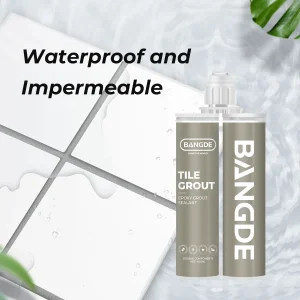
 Shengchuang Building