📋 Basic Information
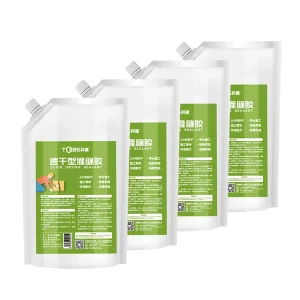
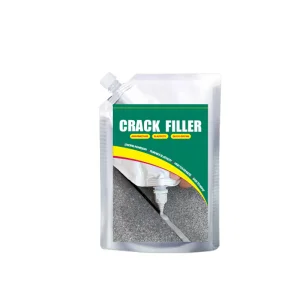
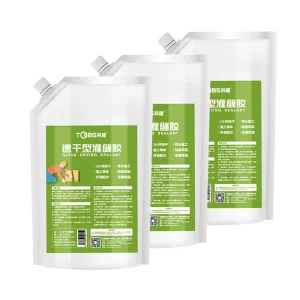
Composition
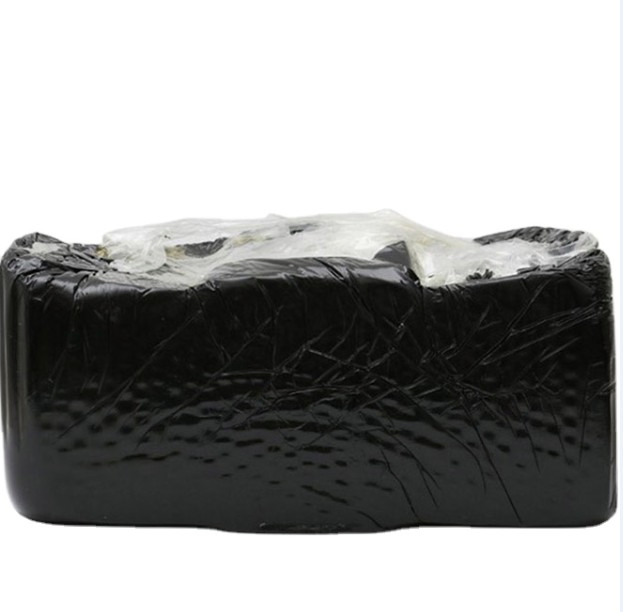
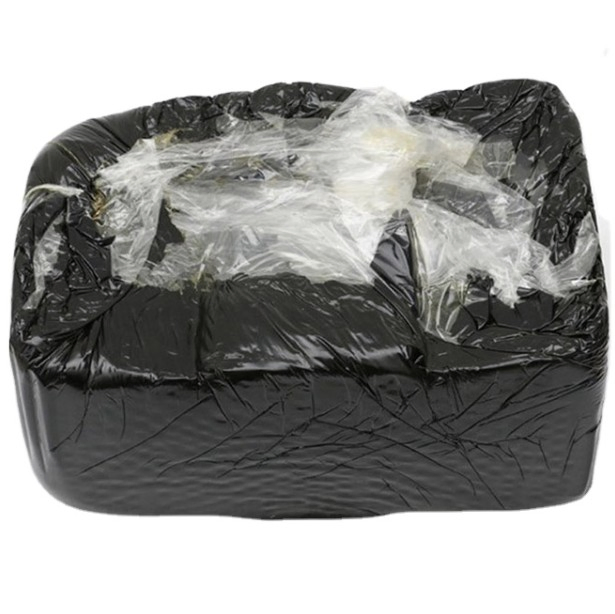
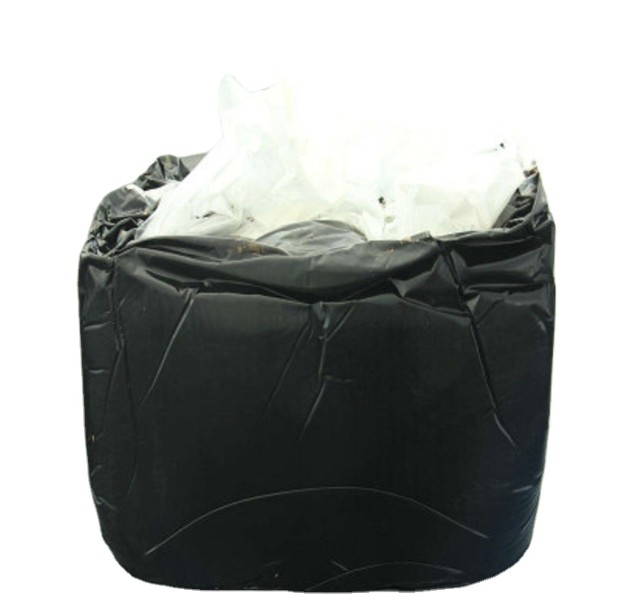
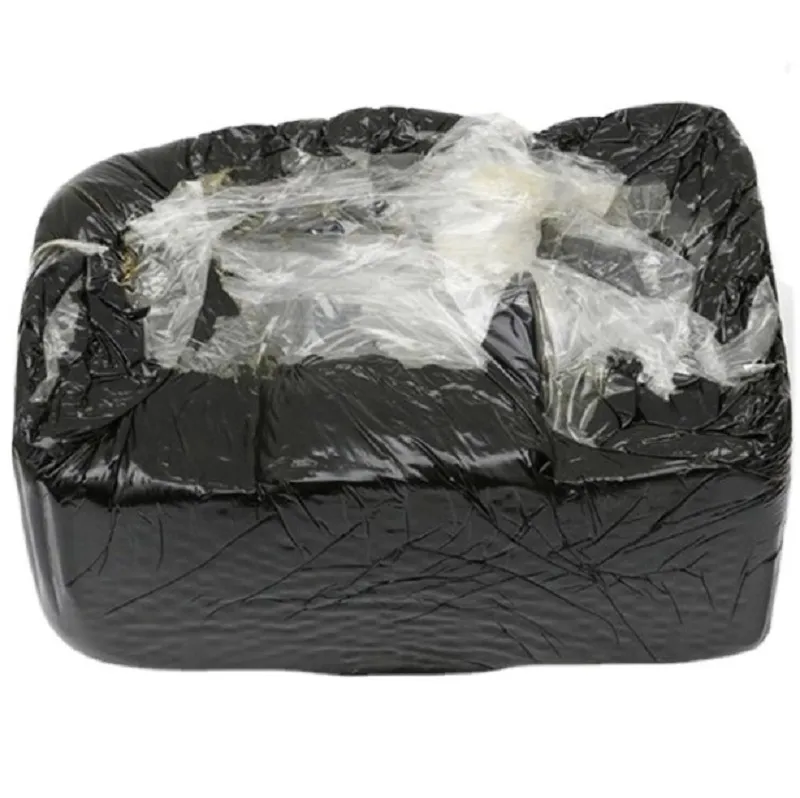
Road Petroleum Asphalt
🚀 Product Features
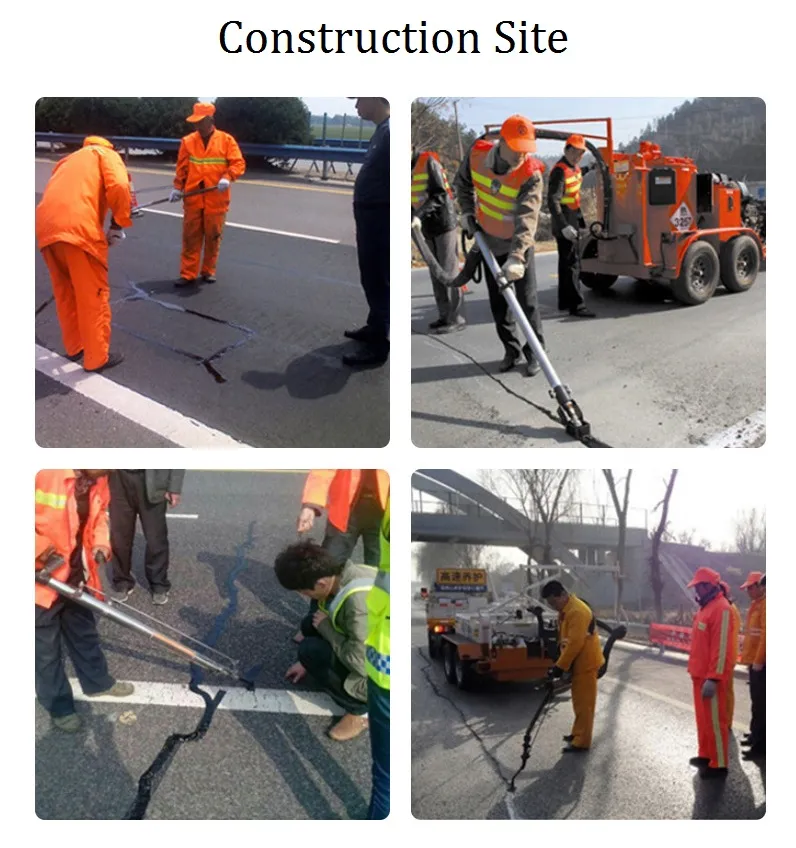
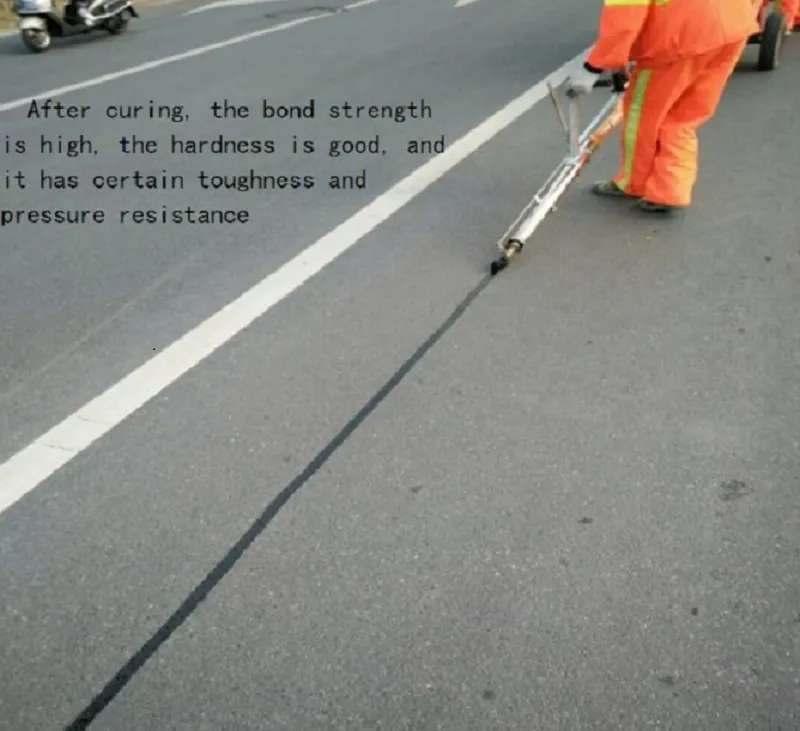
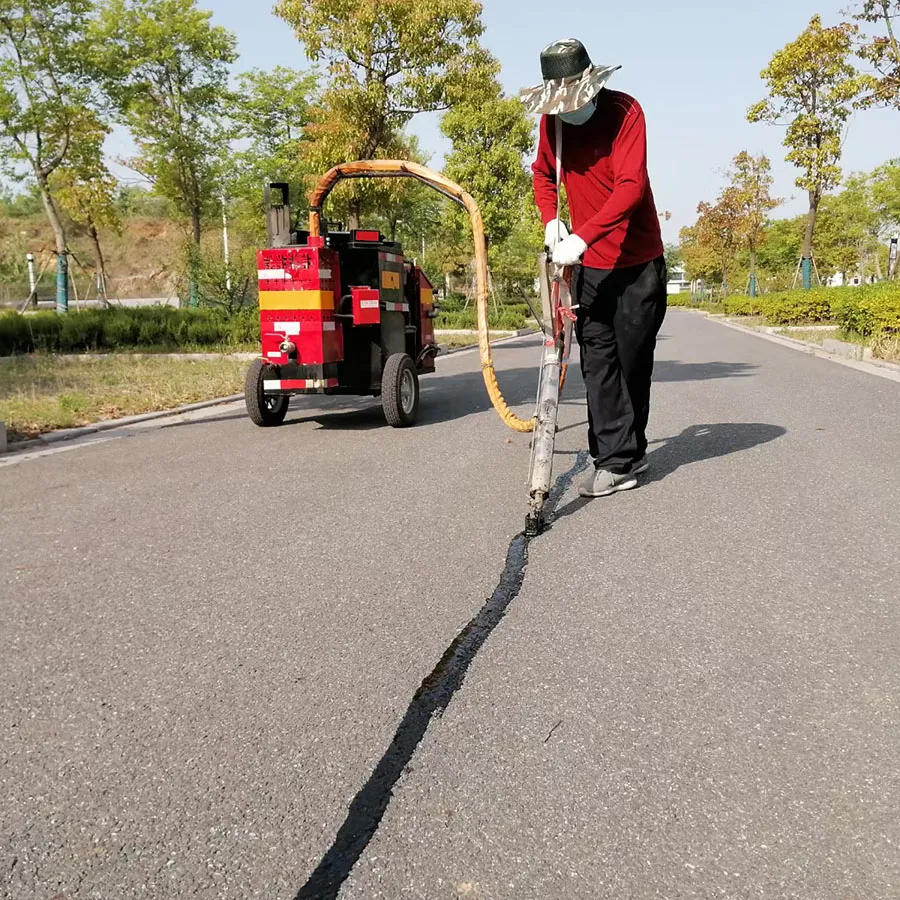
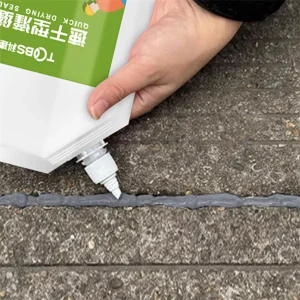
After the crack is slotted, clean the slotted joint before injecting the sealant, avoid the glue breaking or falling off due to the poor bonding between the sealant and the road surface. Use the high-pressure dust blower to blow away the ash and soil in the slot, ensure the contact between the sealant and the road surface, increase the adhesive force, so as to make the grouting joint effective, and be full, smooth, clean and beautiful; the construction is basically not affected by the temperature.
🔧 Related Equipment Specifications
| Model | LS-100 |
| Generator | Honda engine unit |
| Crack sealing pressure | 2Mpa |
| Power | 2KW |
| Output speed | 8-15L/min |
| Hot melt kettle volume | 100L |
| Heating method | Conduction oil indirect heating |
| Temperature range | 0-280ºC |
| Size | 2000*1000*1300 mm |
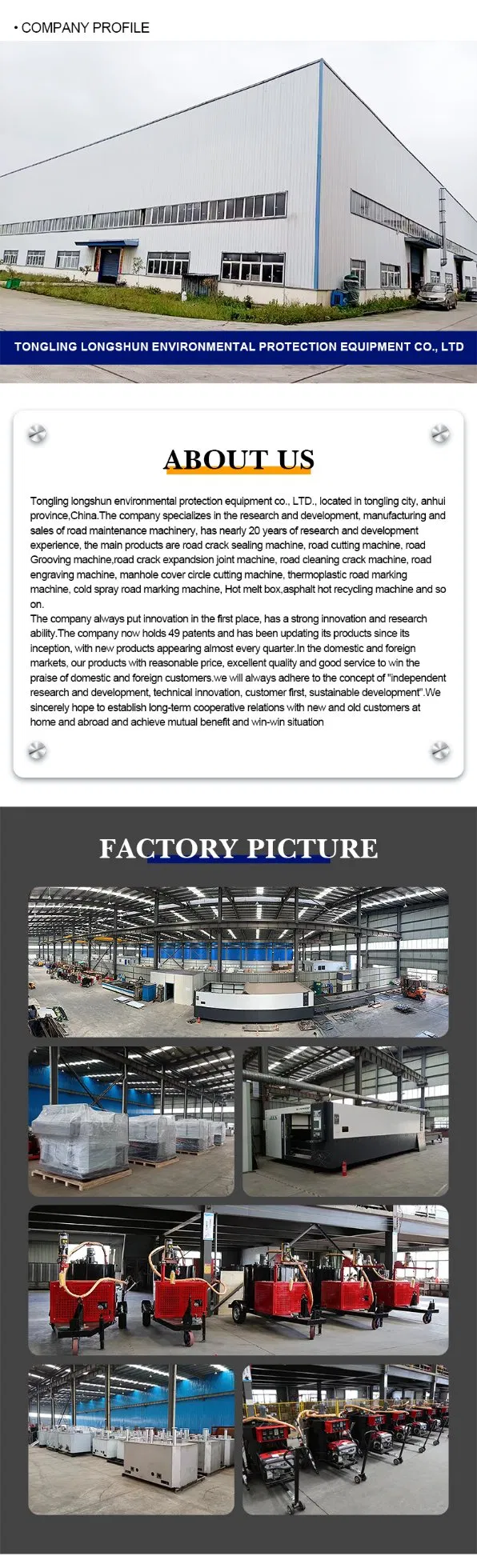
🏭 Professional Production
FAQ
What is the ideal heating temperature for the sealant?
The recommended heating temperature range for the LS-AS sealant is between 140°C and 180°C to ensure optimal flow and adhesion.
Does the material work in low-temperature conditions?
Yes, the construction is basically not affected by the temperature, allowing for effective application even under low-temperature conditions.
How should the road cracks be prepared before sealing?
The cracks should be slotted and then cleaned using a high-pressure dust blower to remove ash and soil, ensuring maximum bonding force.
What is the packaging specification for bulk orders?
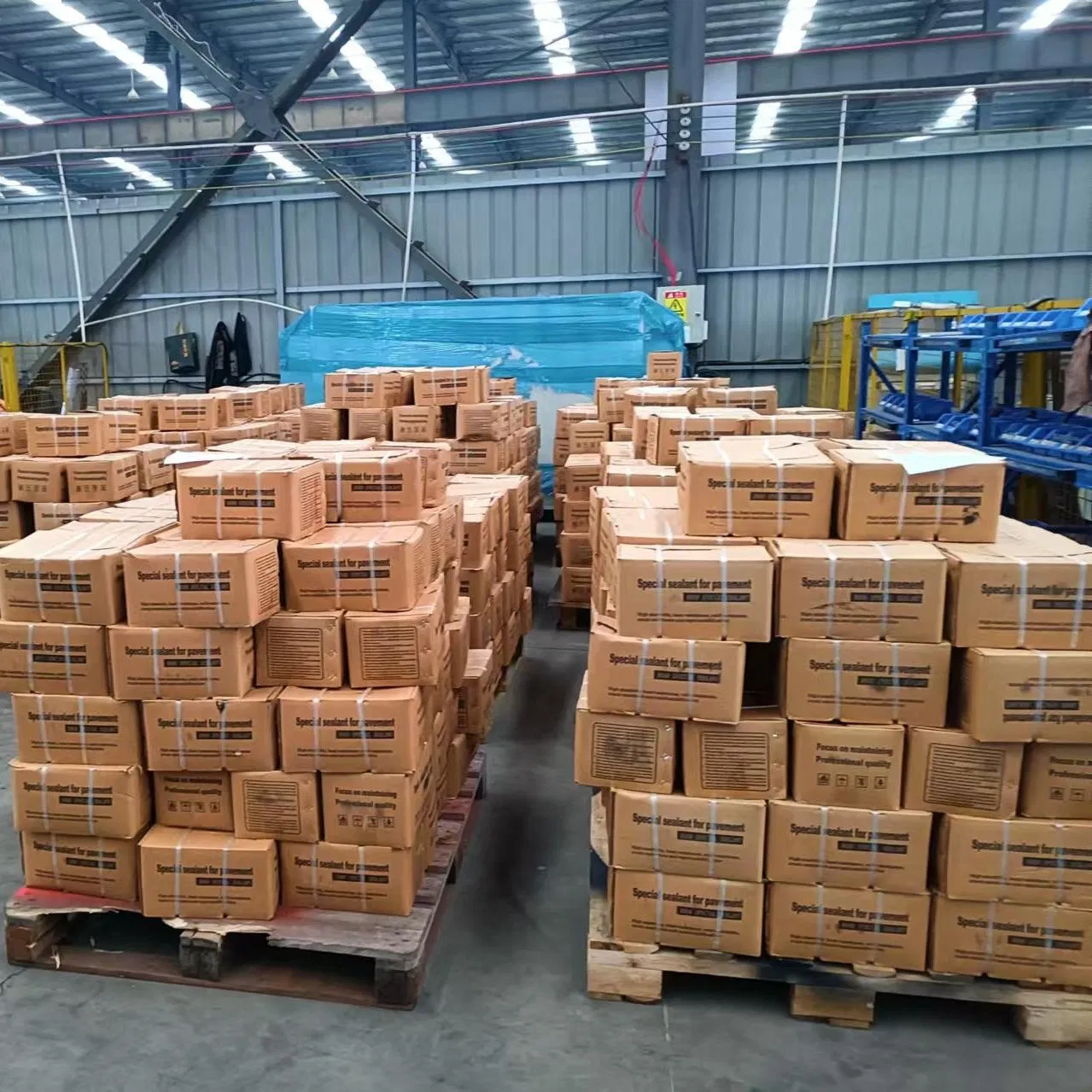
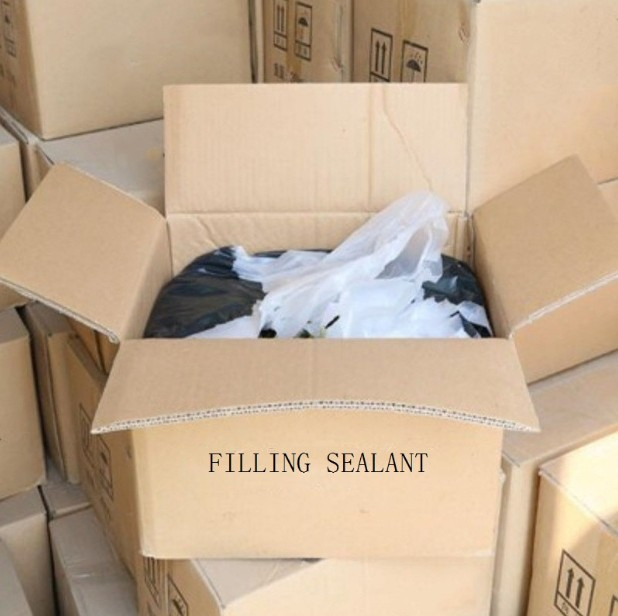
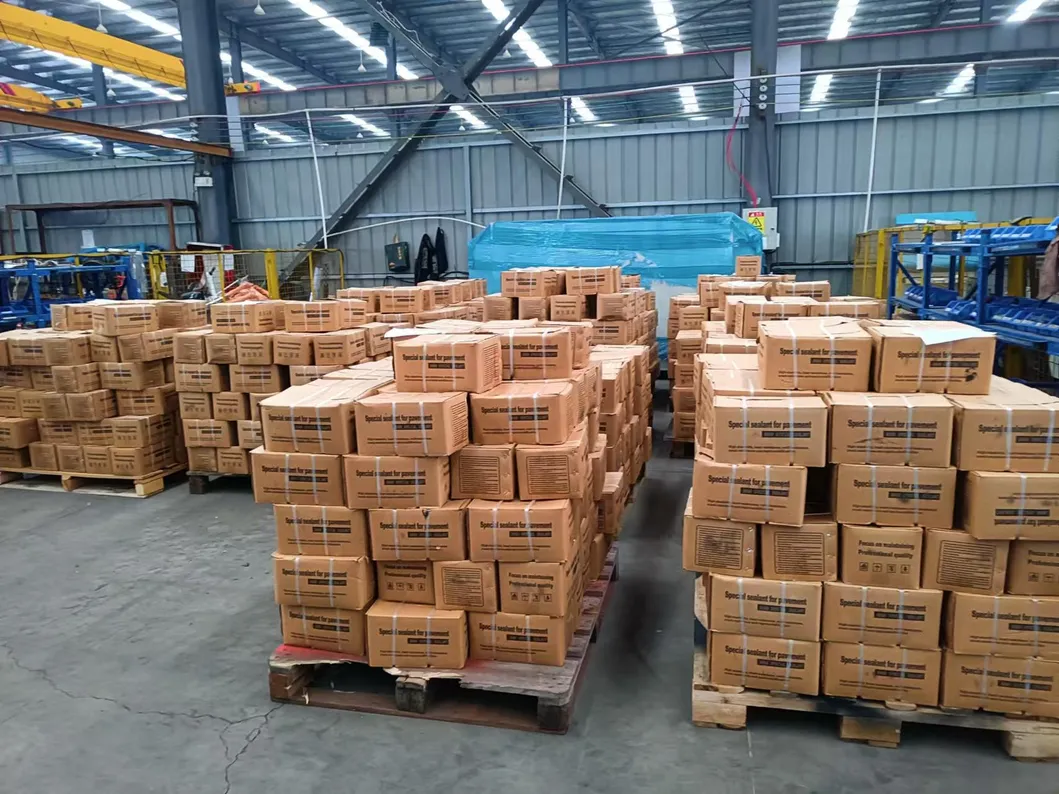
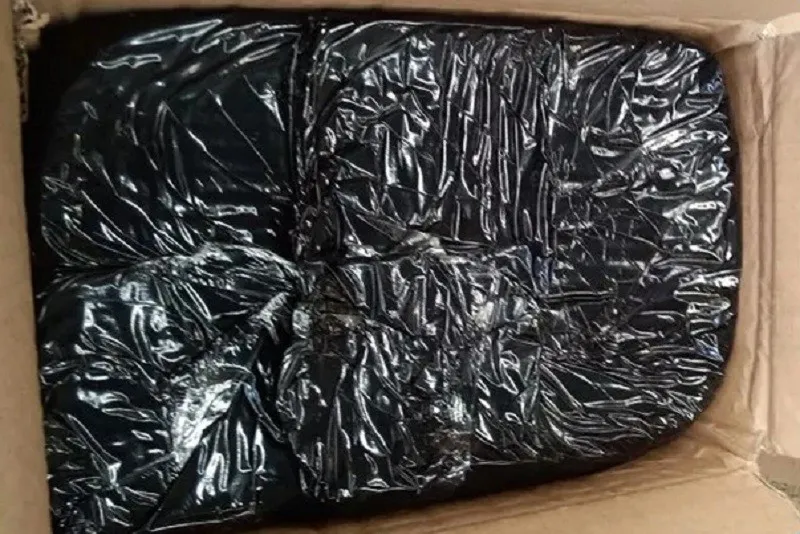
The material is typically packed in 12.5kg units and transported on wood pallets for stability and ease of handling.
What is the main composition of this sealant?
It is primarily composed of Road Petroleum Asphalt combined with high-quality rubber powder and polyester materials.
Is the sealant easy to operate for new workers?
Yes, the construction method is simple, designed to be easy to operate and master for road maintenance teams.
 Shengchuang Building