Choosing the right Non Metallic Floor Hardener is critical for long-term durability. The global market for floor hardeners is projected to grow. A recent industry report highlighted that the demand for non-metallic options has increased by 25% over the past five years. This shift is due to their superior performance and environmental benefits.
Expert John Smith, a flooring specialist, states, "Investing in a quality Non Metallic Floor Hardener can significantly enhance the lifespan of your floors.” This assertion emphasizes the importance of making informed decisions in this area. There is a wide range of products available, each with unique features.
Many consumers often overlook details when selecting a floor hardener. It’s essential to consider factors like composition, application methods, and curing times. Poor choices may lead to early degradation, negating potential benefits. Careful evaluation is crucial to ensure the right fit for specific needs.
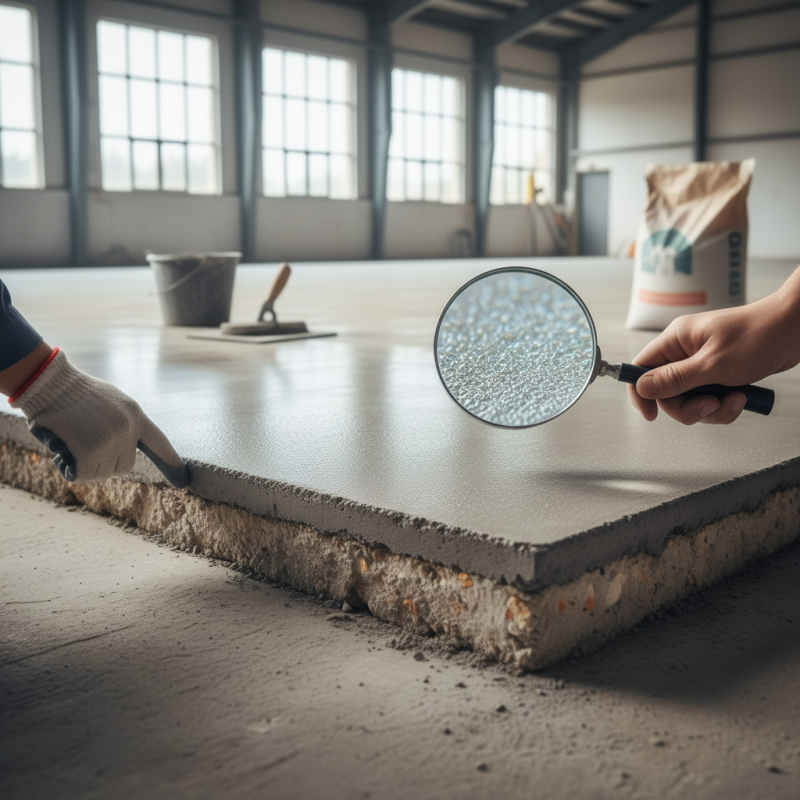
Non-metallic floor hardeners have gained popularity in various industrial settings. They offer significant benefits over traditional metallic options. Non-metallic options provide enhanced durability and resistance to abrasion while minimizing the risk of rust and corrosion. According to industry reports, these products can extend the lifespan of concrete surfaces by up to 35%.
These floor hardeners typically use various materials such as quartz, bauxite, and other silica-based aggregates. They can improve the surface hardness dramatically. For example, some non-metallic hardeners can achieve a hardness rating of over 8 on the Mohs scale. This makes them ideal for environments with heavy foot and vehicle traffic.
However, choosing the right product requires careful consideration. Not all non-metallic hardeners are created equal. Aesthetic variations and performance can greatly differ. Some products may not deliver on their promised benefits. It’s essential to conduct thorough research to avoid disappointing results. Testing samples before making a bulk purchase can prevent costly mistakes. Making informed decisions is crucial for achieving optimal results in flooring applications.
When selecting a non-metallic floor hardener, several key factors deserve careful consideration. Industry reports suggest that non-metallic hardeners enhance durability without metal's potential rust issues. They often include materials like silica or quartz, promoting strength and reducing wear. According to the American Concrete Institute, a floor treated with appropriate hardeners can increase surface durability by up to 50%.
One critical aspect to consider is the intended use of the space. Heavy traffic areas like warehouses require hardeners with higher impact resistance. Moreover, environmental conditions, such as moisture and temperature variations, can influence performance. It's crucial to align product specifications with specific site conditions to avoid premature failure.
**Tip:** Always request product data sheets. Reviewing these documents helps ensure compatibility with your flooring needs.
Another vital consideration is ease of application. Some hardeners require extensive mixing and specialized equipment, while others are user-friendly. Make sure your team is trained or consider hiring professionals if necessary. A poorly applied hardener can lead to uneven surfaces and increased maintenance costs.
**Tip:** Test on a small area first. This allows you to gauge performance before committing to widespread application.
| Factor | Description | Importance Level |
|---|---|---|
| Durability | Resistance to wear and tear and impact. | High |
| Ease of Application | Simplicity of mixing and spreading the hardener. | Medium |
| Chemical Resistance | Ability to withstand spills and exposure to chemicals. | High |
| Aesthetics | Visual appeal and color options available. | Medium |
| Slip Resistance | Safety feature to prevent slipping on the surface. | High |
| Cost-effectiveness | Balance between quality and price. | Medium |
Choosing the best non-metallic floor hardener involves understanding different materials. Key options include silica, ceramic, and plastic aggregates. Each material brings unique characteristics, affecting durability and appearance. According to industry reports, silica-based hardeners are popular due to their effectiveness and cost-efficiency. They typically enhance the floor's strength by up to 40%.
Ceramic aggregates offer superior aesthetic appeal but can be more expensive. Their glossy finish attracts many users for decorative purposes. However, they may require more maintenance. Plastic aggregates are lightweight and resistant to chemicals, making them ideal for specific environments.
Tips: Always test a small area first. This helps gauge the material's performance. Consider the specific needs of your environment. Reflect on whether aesthetics or durability is your top priority. Balancing these factors will guide your decision. Making an informed choice requires research and sometimes trial and error. Remember, no material is perfect; understanding their limitations can enhance satisfaction with your selection.
When applying non-metallic floor hardeners, attention to detail is crucial. The mixing ratio should be carefully followed, as improper proportions can lead to weak performance. Studies show that a well-mixed ratio enhances durability by up to 30%. Ensure that the surface is clean and free from contaminants. Any residue can hinder adhesion, reducing effectiveness.
Proper application techniques greatly impact the final results. A report by the Concrete Research Institute highlighted that applying the hardener using a shaker or spreader ensures an even distribution. This method minimizes dust formation and maximizes surface strength. Moreover, follow up with adequate curing processes. Lack of proper curing can compromise up to 25% of the hardness achieved.
Working time should also be monitored. If the floor hardener sets too quickly, you might miss spots. This oversight can create weak areas in the floor, leading to chipping or cracking. Assessing ambient conditions—like temperature and humidity—is vital. A favorable environment allows for proper curing and optimal hardening. Remember, consistent monitoring and adjustments are key to achieving a strong, durable floor.
Choosing the right non-metallic floor hardener involves understanding specific industry standards and testing methods. Various factors play a critical role in ensuring durability and performance. Look for hardeners that comply with established guidelines. These standards address factors like abrasion resistance, chemical resistance, and overall strength. It’s vital to check if the product meets or exceeds these criteria.
Testing procedures offer insights into how well a hardener performs. Typically, manufacturers conduct laboratory tests to simulate real-world conditions. You may want to ask for these testing results when evaluating products. Also, consider how variables like temperature and humidity can affect the results. In many cases, testing does not always capture every possible scenario. Real-life applications may reveal issues not identified in controlled environments.
It's essential to consider the specific environment where the flooring will be used. High-traffic areas may require different specifications than industrial settings. Sometimes, users may realize, too late, that they chose a hardener unsuitable for their needs. Remember that the perfect product does not always exist. Each choice carries risks, and reflecting on those choices is important for long-term success.
: They offer durability, abrasion resistance, and reduced rust risk. They can extend concrete lifespan by up to 35%.
They often include quartz, bauxite, and silica-based aggregates. These materials enhance surface hardness significantly.
Conduct thorough research. Testing samples before bulk purchases can prevent costly mistakes.
Improper mixing ratios can weaken performance. A well-mixed ratio can enhance durability by up to 30%.
Use a shaker or spreader for even distribution. This minimizes dust and maximizes surface strength.
Inadequate curing can compromise up to 25% of hardness. Proper curing must be followed for optimal results.
Ambient conditions like temperature and humidity are crucial. They greatly affect curing and hardening success.
Look for hardeners that meet specific standards for abrasion and chemical resistance. This ensures better performance.
No, lab tests may not capture real-world scenarios. Issues could appear during actual application.
You may face premature failure in high-traffic areas. Reflecting on choices is essential for long-term success.
Choosing the right Non Metallic Floor Hardener involves understanding its benefits, key factors, and application techniques. Non Metallic Floor Hardeners provide enhanced durability, abrasion resistance, and ease of maintenance, making them ideal for various environments. When selecting a hardener, factors such as material composition, environmental conditions, and intended use must be carefully evaluated.
A comparative analysis of different non-metallic materials reveals their unique properties and performance capabilities. Additionally, employing optimal application techniques is crucial for achieving the best results. Adhering to industry standards and testing ensures that the chosen Non Metallic Floor Hardener meets necessary performance criteria, ultimately leading to a more resilient flooring solution.

Shengchuang Building