Global Industry Landscape of Concrete Superplasticizers
The global construction industry is undergoing a radical transformation, and at the heart of this evolution is the role of Concrete Superplasticizer Manufacturers. As urbanization accelerates across Asia, Africa, and Latin America, the demand for high-performance concrete (HPC) and ultra-high-performance concrete (UHPC) has skyrocketed. Superplasticizers, or High-Range Water Reducers (HRWR), are essential chemical admixtures that allow for a significant reduction in water content while maintaining or enhancing workability.
In today's industrial context, concrete superplasticizer manufacturers are no longer just chemical suppliers; they are critical partners in engineering. The shift from traditional naphthalene-based sulfonates to advanced Polycarboxylate Ether (PCE) technologies has allowed for the construction of skyscrapers like the Burj Khalifa and massive infrastructure like the Hong Kong-Zhuhai-Macao Bridge. These projects require concrete that can be pumped hundreds of meters vertically or maintain flowability for hours in tropical heat.
 Eco-Friendly & Green
The "Green Building" movement is driving manufacturers to develop low-carbon admixtures. By optimizing water-to-cement ratios, superplasticizers help reduce the carbon footprint of concrete by up to 15% through cement substitution.
 Smart Rheology
Next-generation PCE molecules are being engineered to provide "smart" flow characteristics—high flow during pumping but instant stability once placed, preventing segregation in complex formwork.
 AI-Driven Formulation
Top manufacturers are now using AI and machine learning to predict the interaction between local cement types and chemical admixtures, ensuring compatibility across different geological regions.
 Global Procurement & Localized Applications
International procurement managers look for three things in concrete superplasticizer manufacturers: Consistency, Technical Support, and Scalability. Whether it's a dam project in Southeast Asia or a precast plant in Northern Europe, the environmental conditions vary drastically.
Localization is key. A superplasticizer that works in the cool climate of Canada might fail in the desert heat of Dubai. As a leading manufacturer, we provide tailored formulations. For instance, our retarding-type superplasticizers are engineered specifically for long-distance transport in high-temperature zones, ensuring the concrete remains workable for up to 4 hours without compromising final structural integrity.
Exporting Countries
Tons Annual Output
Technical Support
 Advantages of Our Chinese Manufacturing Base
China has become the global hub for chemical manufacturing, and for good reason. As a premier Concrete Superplasticizer Manufacturer based in China, we leverage a world-class supply chain and R&D ecosystem.

We are a national high-tech enterprise that has been dedicated to the field of special concrete structure construction, bonding, reinforcement, and protection since 2008. We boast numerous patents covering bridge, tunnel, concrete structure reinforcement systems, and concrete repair technologies.
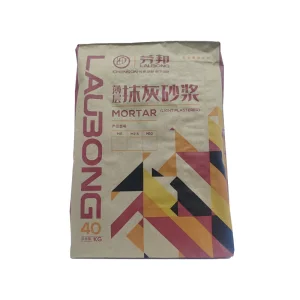
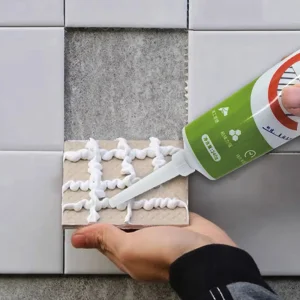
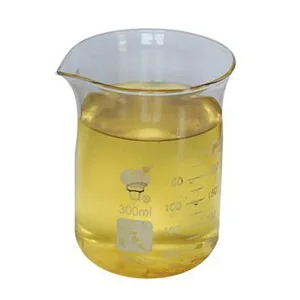
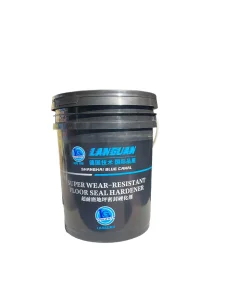
Explore Shengchuang Concrete Hot Products: We offer a comprehensive range of products including concrete admixtures, specialized mortars/grouts, epoxy resins, concrete repair materials, structural strengthening systems, and innovative construction solutions.
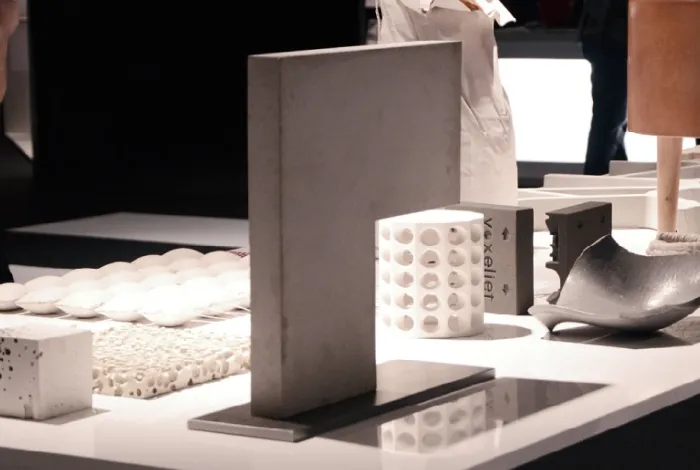
UHPC cladding panel also known as UHPC panels, refers to the application of ultra-high performance concrete in the form of precast panels for architectural cladding purposes. UHPC is a specialized type of concrete that possesses exceptional strength, durability, and aesthetic properties.
As concrete superplasticizer manufacturers, our chemical expertise directly fuels the development of these panels, providing the necessary flowability to achieve intricate architectural textures while maintaining incredible compressive strengths.
Understanding the mechanism of superplasticizers is vital for any large-scale industrial project. Traditional water reducers worked through electrostatic repulsion—the cement particles would carry the same charge and repel each other. However, modern PCE (Polycarboxylate Ether) technology produced by leading concrete superplasticizer manufacturers utilizes "Steric Hindrance."
The long-chain polymers of PCE wrap around cement particles, physically preventing them from clumping together. This allows for a much more efficient distribution of water, enabling the concrete to flow like a liquid even with very low water content. This technical leap has made self-consolidating concrete (SCC) possible, which eliminates the need for mechanical vibration on construction sites, reducing labor costs and noise pollution.
Furthermore, the durability of the final structure is exponentially improved. Because less water is used, there are fewer capillary pores left behind when the water evaporates. This creates a denser, more impermeable concrete matrix that is resistant to chloride ion penetration, sulfate attack, and freeze-thaw cycles—the primary enemies of reinforced concrete.
 Shengchuang Building