Corrosion remains a significant challenge in reinforced concrete structures, leading to costly repairs and safety concerns. According to a report by the NTPEP, corrosion-related damage can reduce a structure's lifespan by up to 30%. Given this alarming statistic, it becomes crucial to enhance the corrosion resistance of reinforced concrete structures.
Innovative approaches in material science have emerged. For instance, the use of corrosion inhibitors and specialized coatings has shown promise in mitigating deterioration. Studies indicate that applying these methods can improve longevity by an average of 20 years. However, not all solutions yield expected outcomes, and many require regular assessments to ensure effectiveness.
The construction industry must acknowledge the evolving demands of infrastructure durability. A reliance on traditional methods may no longer suffice. There is an ongoing need for research and development to explore novel materials and techniques that truly enhance corrosion resistance. Attention to these aspects can lead to more resilient and reliable structures for future generations.
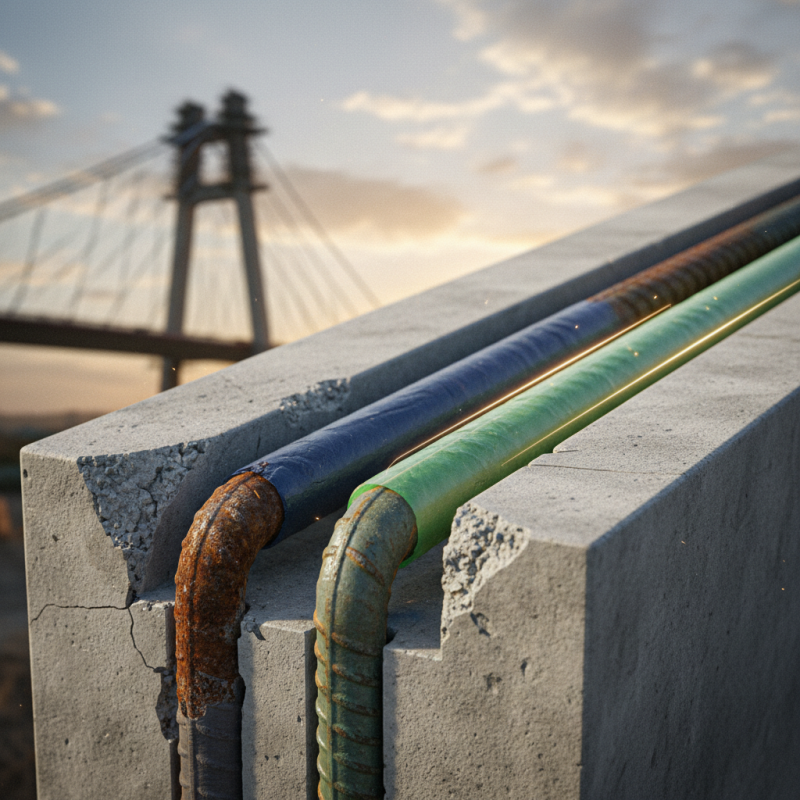
Corrosion is a significant concern for reinforced concrete structures. The durability of these structures can decrease dramatically when exposed to harsh environments. Studies show that corrosion can reduce the lifespan of concrete infrastructure by up to 50%. Therefore, enhancing corrosion resistance is crucial.
One effective method for improving corrosion resistance in concrete mixes involves the use of supplementary cementitious materials (SCMs). Materials such as fly ash and slag not only improve strength but also reduce permeability. This lower permeability makes it harder for corrosive agents, like chlorides, to penetrate the concrete. Data indicates that using 20% SCM can lead to a 30% reduction in chloride ion permeability.
Another approach is the incorporation of corrosion inhibitors into the mix. These chemical agents help protect steel reinforcement from corrosion. A 2019 industry report highlighted that the use of corrosion inhibitors decreased the corrosion rate by up to 90% in some conditions. However, the effectiveness of these inhibitors can vary based on environmental factors. Not all inhibitors provide the same long-term benefits, leading to further considerations for specific projects.
The selection of corrosion-resistant reinforcement materials is crucial for enhancing the durability of reinforced concrete structures. Traditional steel rebar is prone to rust, especially in environments with high humidity or chloride exposure. Alternate materials, such as stainless steel and fiberglass, offer better resistance to corrosion. These materials help in extending the lifespan of the structures.
Stainless steel is strong and resistant to deterioration. However, it can be more expensive than standard reinforcement. Fiberglass rebar, on the other hand, is lightweight and non-corrosive. It also lowers the overall weight of the structure. Each material has its strengths and weaknesses. Choosing the right material requires careful consideration of the environmental conditions.
It's essential to balance performance and cost. Engineers must reflect on the long-term benefits versus initial investments. In some cases, the choice may not always be clear. Conducting a detailed analysis before deciding on materials can prevent future issues. Real-world applications often reveal unforeseen challenges. Continuous learning from these situations is important for improving future designs.
Protective coatings play a critical role in enhancing the corrosion resistance of reinforced concrete structures. These coatings form a barrier that prevents moisture and harmful chemicals from penetrating the concrete. According to a report by the American Concrete Institute, up to 80% of concrete deterioration is due to corrosion of embedded steel. This statistic highlights the importance of using effective protective measures.
Implementing protective coatings can significantly extend the lifespan of concrete structures. A well-applied coating can reduce maintenance costs by up to 30%. Many coatings also include corrosion inhibitors that further safeguard the rebar from aggressive environmental factors. Common types include epoxy, polyurethane, and acrylic coatings. Each offers unique benefits and should be chosen based on specific project requirements.
Tips: Always assess the environmental conditions before selecting a coating. Regular inspections can reveal early signs of wear. Reapplying coatings periodically can maintain their effectiveness. Despite these measures, identifying the right coating is not foolproof. Factors such as surface preparation and application technique can affect the overall performance. It is vital to ensure proper training for the personnel involved in the application process.
Water accumulation is a significant threat to reinforced concrete structures. When water collects, it can lead to corrosion of the reinforcing steel. This can severely weaken the entire building over time. A well-designed drainage system is essential. It helps divert water away from structures, minimizing the risk of corrosion.
Proper drainage systems should include gutters and downspouts. These components channel water away from the foundation. Regular maintenance is crucial. Blocked drains can cause water to pool, causing damage. Inspecting and clearing drains can prevent these issues. Additionally, landscaping should promote water flow away from the building. Sloped terrains can help direct rainwater effectively.
However, the implementation of drainage solutions can be complex. Often, factors like soil type and local climate must be considered. In regions with heavy rainfall, design choices are critical. In some cases, engineers may need to rethink existing drainage setups. They may uncover flaws that previously went unnoticed. Thorough evaluations can reveal areas for improvement, ensuring long-lasting protection against corrosion.
| Parameter | Measurement | Impact on Corrosion Resistance |
|---|---|---|
| Concrete Cover Thickness | 40 mm | Increases durability and reduces the risk of corrosion |
| Drainage Slope | 2% minimum | Prevents water accumulation, minimizing corrosion potential |
| Water-Cement Ratio | 0.45 | Optimized for enhanced strength and reduced permeability |
| Use of Corrosion Inhibitors | Yes | Directly reduces corrosion rates of reinforcing steel |
| Drainage System Type | French Drain | Effectively redirects moisture away from structures |
| Inspection Frequency | Every 6 months | Early detection of corrosion and maintenance opportunities |
Maintaining reinforced concrete structures is crucial for their longevity. Regular inspections can spot early signs of corrosion or damage. Visual checks for cracks and rust stains should be routine. These signs may indicate deeper issues that need addressing.
Tips: Perform inspections bi-annually, focusing on areas with high moisture exposure. Use a simple checklist to track findings consistently. This approach can help identify trends over time.
Cleaning surfaces occasionally is also essential. Remove debris and dirt that retain water. This practice prevents corrosion from starting. Be aware of localized corrosion, which can be deceptive. It may not always be visible until substantial damage has occurred.
Tips: Consider professional coatings that enhance resistance. However, this is not a substitute for regular maintenance. Knowing when to seek expert help is part of good upkeep. Keeping detailed inspection records is beneficial for future evaluations. Regular maintenance is more cost-effective than extensive repairs.
This bar chart illustrates the effectiveness of various maintenance practices in enhancing the corrosion resistance of reinforced concrete structures. Regular inspections and maintenance show the highest effectiveness, highlighting the importance of proactive management in preventing corrosion-related issues.
: They enhance corrosion resistance by forming a barrier against moisture and harmful chemicals.
Up to 80% of concrete deterioration can be attributed to corrosion of embedded steel.
Yes, they can significantly extend lifespan and reduce maintenance costs by up to 30%.
Common types include epoxy, polyurethane, and acrylic coatings, each with unique benefits.
Assessing the environment is crucial, as conditions influence coating effectiveness and longevity.
Regular inspections and periodic reapplication can maintain their effectiveness over time.
They divert water away from structures, reducing the risk of corrosion and related damage.
Gutters and downspouts channel water away from the foundation, preventing pooling.
Soil type and climate impact design choices, sometimes revealing flaws that need reevaluation.
Landscaping should promote flow away from the building, with sloped terrains directing rainwater effectively.
To enhance the corrosion resistance of reinforced concrete structures, several strategies can be implemented. First, improving the concrete mix by incorporating corrosion inhibitors and using low-permeability materials can significantly reduce the ingress of harmful chlorides and moisture. Additionally, selecting corrosion-resistant reinforcement materials, such as stainless steel or epoxy-coated rebar, plays a vital role in preventing corrosion damage.
Furthermore, applying protective coatings to the concrete surface can provide an effective barrier against environmental factors that contribute to corrosion. Ensuring proper drainage systems are in place is equally important to prevent water accumulation, which can lead to accelerated corrosion. Lastly, regular maintenance and inspection practices will help identify and address any potential issues before they escalate, ultimately prolonging the lifespan of reinforced concrete structures. By adopting these comprehensive methods, engineers can effectively enhance the corrosion resistance of reinforced concrete structures.
Shengchuang Building