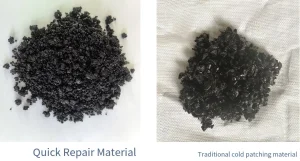
Explore our flagship construction chemistry solutions, high-performance water reducers, and polymer-modified sealing systems engineered for extreme environments.
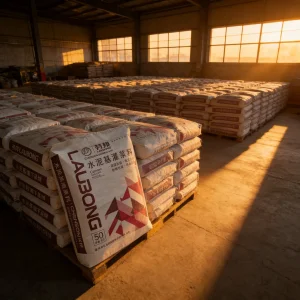
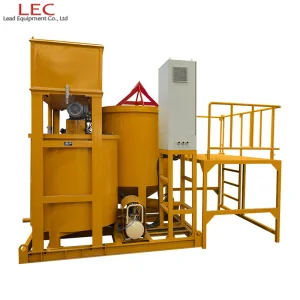
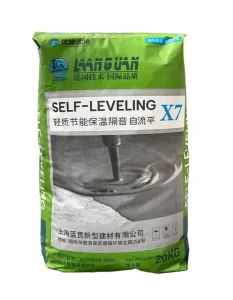
We offer a comprehensive range of products including concrete admixtures, specialized mortars/grouts, epoxy resins, concrete repair materials, structural strengthening systems, and innovative construction solutions.
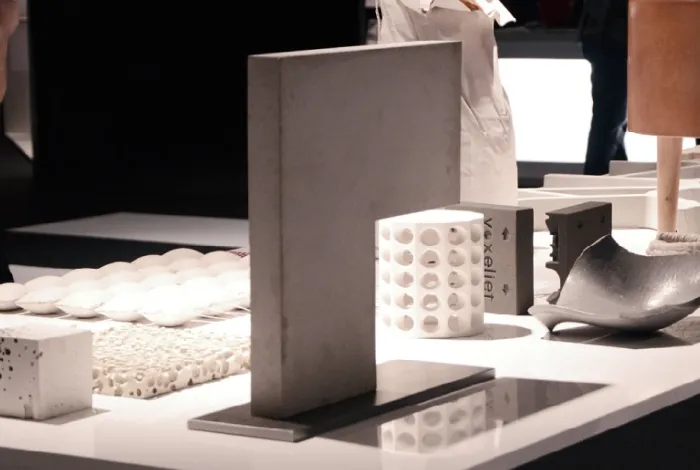
Ultra-High Performance Concrete (UHPC) cladding panels, also known as UHPC panels, represent the peak of modern precast architectural facades. Characterized by an exceptionally dense microstructure, UHPC delivers unprecedented flexural strength, dynamic fracture energy, and resistance to environmental degradation. By utilizing precise grading of micro-crystalline components and high-tensile fiber reinforcements, our UHPC panels allow architects to push the boundaries of design thickness, complex geometries, and sustainable construction lifetimes.
We are a national high-tech enterprise that has been dedicated to the field of special concrete structure construction, bonding, reinforcement, and protection since 2008. We boast numerous patents covering bridge, tunnel, concrete structure reinforcement systems, and concrete repair technologies.
Understanding the molecular dynamics, polymerization structures, and performance enhancements that define modern industrial acrylic polymer systems.
Modern formulation strategies substitute basic methyl methacrylate with advanced butyl acrylate and acrylonitrile copolymers. This adjustment increases flexibility while preserving tensile strength, resulting in superior UV resistance and elongation recovery.
By moving away from phthalate-based plasticizers, modern suppliers employ internally plasticized acrylic polymers. This technique permanently bonds the flexible components into the polymer backbone, eliminating plasticizer migration and prevent shrinkage or yellowing over time.
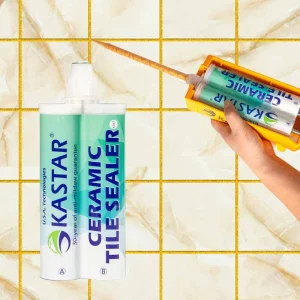
Pure acrylic sealants traditionally face water sensitivity during the curing phase. Incorporating silane-terminated polymers or specialized hydrophobic acrylic dispersions enhances early wash-out resistance, making modern sealants highly reliable for outdoor applications.
The development of acrylic-based sealants has transitioned from simple, water-based latex formulas to complex, multi-polymer hybrid systems. High-performance acrylic formulations balance cost and durability, filling the gap between polyurethane adhesives and silicone elastomers. By adjusting the glass transition temperature (Tg) of the acrylic emulsion, manufacturers can optimize sealants for either low-temperature flexibility in sub-zero climates or high-temperature stability on building facades.
For major global infrastructure projects, selecting a top-tier supplier requires analyzing the solid-content percentage, VOC profiles, and elasticity recovery indices. Advanced manufacturers now incorporate nano-silica fillers and silane coupling agents directly into the acrylic matrix. This process significantly improves structural adhesion to challenging substrates like autoclaved aerated concrete (AAC), anodized aluminum, and fiber-cement boards.
From high-speed rail systems to curtain wall installations, discover how polymer-modified sealants protect structural integrity.
High-rise structures experience continuous thermal movement, wind-load deflections, and seismic shifts. Elastic acrylic sealants, modified with silicone or polyurethane polymers, provide the high joint-movement capability (typically Class 12.5 to Class 25 under ISO 11600) required to seal interior drywall joints, window frames, and perimeter masonry gaps.
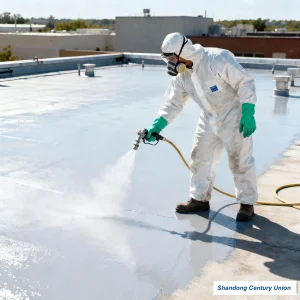
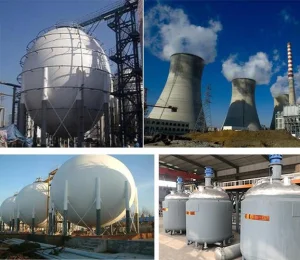
Civil engineering projects such as bridges, tunnels, and highways require chemical barriers that can withstand heavy traffic and freeze-thaw cycles. Our specialized sealants integrate with cementitious grouts to prevent moisture and road salts from corroding internal rebar structures.
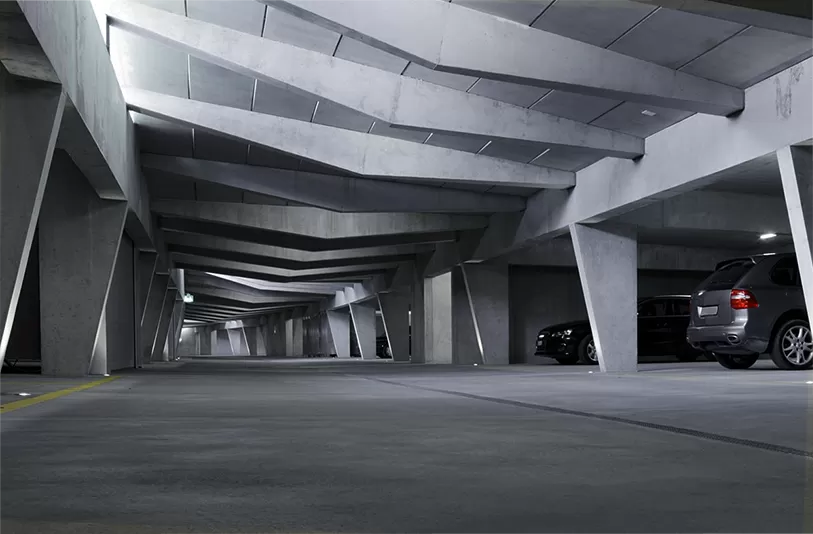
Shengchuang Engineering Application Solutions for Bridge and Tunnel Infrastructure
Combining advanced automation, vertical raw material integration, and rigorous quality control to deliver consistent global supply.
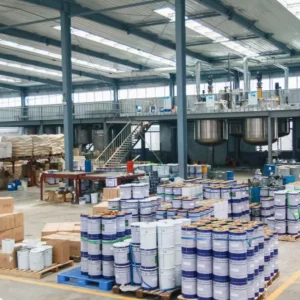
Our state-of-the-art production lines feature fully computerized raw material dosing, high-shear chemical dispersion mixers, and cleanroom packaging systems. This setup guarantees homogeneous polymer distribution, prevents bubble formation, and eliminates batch-to-batch inconsistencies common in manual manufacturing.
By securing direct contracts with primary acrylic acid and copolymer refineries in China, we insulate our clients from volatile pricing and raw material shortages. This strategic position guarantees stable output volumes and consistent chemical quality, even during complex market cycles.
In line with international decarbonization goals, our factory incorporates green energy systems and advanced water filtration setups. Our eco-friendly water-based sealant lines emit minimal volatile organic compounds (VOCs), ensuring compliance with strict global standards like LEED v4.1 and EMICODE EC1 Plus.
An authoritative guide designed to help procurement officers and distribution networks evaluate supplier reliability and technical compliance.
Low-quality sealants often utilize high water ratios to reduce production costs, leading to shrinkage and joint failure as they cure. Premium B2B suppliers formulate products with a minimum solid content of 75% to 82% to maintain volume stability.
Standard acrylic caulks typically handle joint movement of around ±7.5% or ±12.5%. For structural expansions, verify if your exporter offers modified systems that meet ASTM C920 Class 25 specifications for high-movement performance.
Cross-border shipping exposes sealants to extreme temperature changes. Exporters must utilize vapor-tight cartridges, foil sausages, and temperature-stable shipping containers to prevent premature curing and skin formation during transit.
Connect with our technical engineering department to discuss custom solid percentages, specialized color profiles, and automated supply chains tailored for major construction projects.
Consult Our Engineering SpecialistsMeeting the world's most rigorous chemical safety, environmental emissions, and physical testing standards.
When supplying chemicals across Europe, North America, and the Asia-Pacific region, compliance is vital. SINO-SINA ensures all acrylic-based formulations meet local regulatory systems. This dedication speeds up customs clearance and guarantees safety for local application crews.
| Standard ID | Scope & Focus | Compliance Status |
|---|---|---|
| ASTM C834 | Standard Specification for Latex Sealants | Passed (Type OP & C) |
| EN 15651-1 | Sealants for Non-Structural Facade Joints | CE Certified Class 25LM |
| REACH (EU) | SVHC Chemical Registration | Fully Registered |
| LEED v4.1 EQ | Low Emitting Interior Materials (VOCs) | Compliant (<20 g/L) |
We offer our B2B customers and structural engineers a full package of technical services, including:
Get answers to common technical queries about acrylic-based sealant chemistry, applications, and export logistics.
Browse our advanced epoxy formulas, joint fillers, and structural coatings engineered for reliable industrial performance.
 Shengchuang Building