Discover our elite range of concrete admixtures, specialized mortars, industrial resins, and rapid structural repair technologies engineered to meet rigorous international standards.
Hydraulic cement is the bedrock of modern civil engineering. Unlike non-hydraulic variants, which rely on carbonation from atmospheric carbon dioxide to cure, hydraulic cement undergoes a chemical reaction with water—a hydration process—that allows it to set and become structural, water-insoluble, and highly durable even while fully submerged.
The mineral composition primarily comprises Tricalcium Silicate (C3S), which dictates the early strength development, and Dicalcium Silicate (C2S), which governs long-term structural integrity. When water is introduced, these silicates form Calcium Silicate Hydrate (C-S-H) gel, the primary binding phase that coats aggregates and fills capillary pores.
For global procurement managers, civil engineers, and contractors, choosing the right wholesale hydraulic cement supplier is not merely a purchasing transaction; it is a critical decision that influences structural durability, lifecycle costs, and overall construction safety. Standard portland cement, blended hydraulic cements, and specialty ultra-fast setting compounds must align precisely with mechanical thresholds and chemical resistance profiles specified under standards such as ASTM C150, ASTM C595, and EN 197-1.
China is home to the world's most advanced chemical-cementitious clusters, delivering unparalleled supply chain integration, raw material access, and manufacturing precision.
Our proximity to vital raw material deposits (high-purity limestone, gypsum, silica) and chemical synthesis hubs (for PCE admixtures, curing agents, and titanium dioxide) ensures a steady supply chain. This minimizes logistical delays and prevents raw material pricing spikes from impacting the final cost of wholesale products.
Modern Chinese factories utilize fully automated, DCS-controlled rotary kilns with pre-calciner systems. This setup guarantees consistent thermal processing of clinker, yielding precise mineral phases (C3S, C2S, C3A) that standard batch kilns cannot replicate. Every bag of hydraulic cement or specialty mortar meets high-performance expectations.
Quality assurance is embedded in our workflow. Equipped with laser diffraction particle size analyzers, X-ray fluorescence (XRF) spectrometers, and mechanical compression testers, our quality control team tests every batch against internationally recognized parameters, including ASTM C150, EN 197-1, and GB175.
| Performance Indicator | Standard Hydraulic Cement | Our High-Performance Hydraulic Cement | Specialty Rapid-Setting Systems |
|---|---|---|---|
| 3-Day Compressive Strength | ≥ 15 MPa | ≥ 28 MPa | ≥ 40 MPa |
| 28-Day Compressive Strength | ≥ 42.5 MPa | ≥ 62.5 MPa | ≥ 80 MPa (with PCE & Silica Fume) |
| Initial Setting Time | 45 - 90 minutes | 60 - 120 minutes | 10 - 25 minutes |
| Sulfate Resistance (ASTM C1012) | Standard | High Resistance (Low C3A) | Extreme Resistance (Slag/Aluminate Blends) |
| Shrinkage Value (28 Days) | < 0.05% | < 0.02% (Non-Shrink Tech) | ≤ 0.015% (Strict Expansion Compensation) |
From low-carbon binders to nanotechnology and advanced chemical admixtures, stay ahead of the industry's shift toward high performance and environmental responsibility.
Globally, environmental initiatives require concrete structures to feature a lower carbon footprint. This has accelerated the integration of Supplementary Cementitious Materials (SCMs) like fly ash, granulated blast-furnace slag (GGBS), and calcined clay. Blended hydraulic cements leverage these materials to lower CO2 emissions per ton while improving long-term durability and resistance to chemical ingress.
Standard hydraulic cement is increasingly coupled with next-generation superplasticizers. Incorporating Polycarboxylate Ether (PCE) admixtures reduces water requirements by up to 40%, boosting compressive strength and improving concrete flowability. This chemical optimization supports high slump retention, essential for transport over long distances.
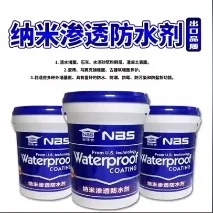
Integrating nano-scale additives—such as nano-silica and nano-permeable crystalline agents—promotes rapid development of hydration products. These additives seal the sub-micron voids within the cementitious matrix. This micro-level modification renders concrete highly impermeable to pressurized water, seawater salts, and acidic contaminants.
Since 2008, SINO-SINA has focused on the specialized fields of concrete structure construction, bonding, reinforcement, and structural protection. As a national high-tech enterprise, we hold numerous patents spanning bridge restoration, tunnel construction, advanced concrete repair, and retrofitting technologies.
Our product catalog spans concrete admixtures, specialized mortars and grouts, epoxy systems, structural strengthening components, and innovative cladding solutions. By integrating our raw material supply chain with rigorous testing protocols, we provide specialized answers to complex civil engineering challenges globally.
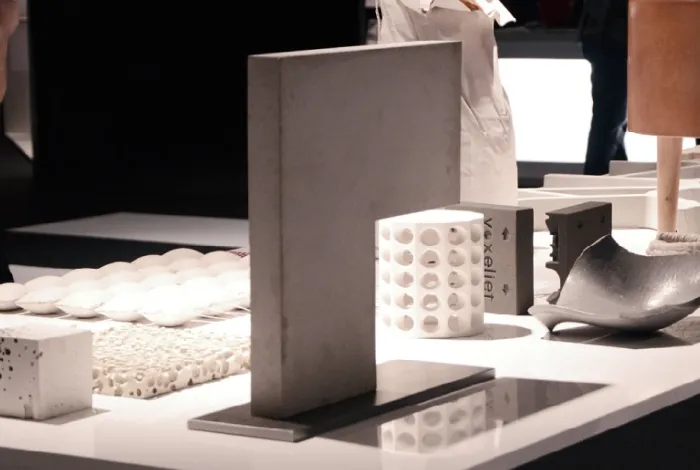
UHPC Cladding Panels (Ultra-High Performance Concrete) represent a major advancement in architectural and structural facade technology. Developed from ultra-high performance concrete, these precast cladding panels feature exceptional compressive and flexural strength, along with long-term weather resistance.
Due to their dense microstructural matrix, UHPC cladding panels allow designers to build thin, lightweight, and durable architectural facades. These elements offer high impact strength, low porosity, and excellent freeze-thaw durability, helping minimize building maintenance costs over long lifecycles.
Tailored formulations designed to excel under challenging environmental conditions and specific mechanical requirements.
Concrete structures in coastal zones are exposed to continuous chloride attack, leading to reinforcement corrosion. Our low-aluminate (C3A < 5%) hydraulic cement, combined with Nbs-802 Nano-Permeable Waterproof Agents, restricts chloride ion diffusion. This combination extends the design life of ports, seawalls, and offshore foundations.
Water ingress during tunnel excavation can stall operations and threaten safety. Using ultra-fast setting hydraulic cement mixed with chemical slump retarders allows operators to plug high-pressure water leaks within minutes. This establishes a stable, load-bearing barrier that resists subterranean acidic groundwater.
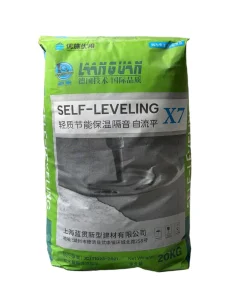
Heavy production environments demand floors with high impact strength, chemical resistance, and flat surfaces. Our Thick Layer Self-Leveling Cementitious Mortar combines high-performance binders with modern PCE chemistry. It ensures rapid installation and self-leveling performance, reducing material consumption and labor costs.
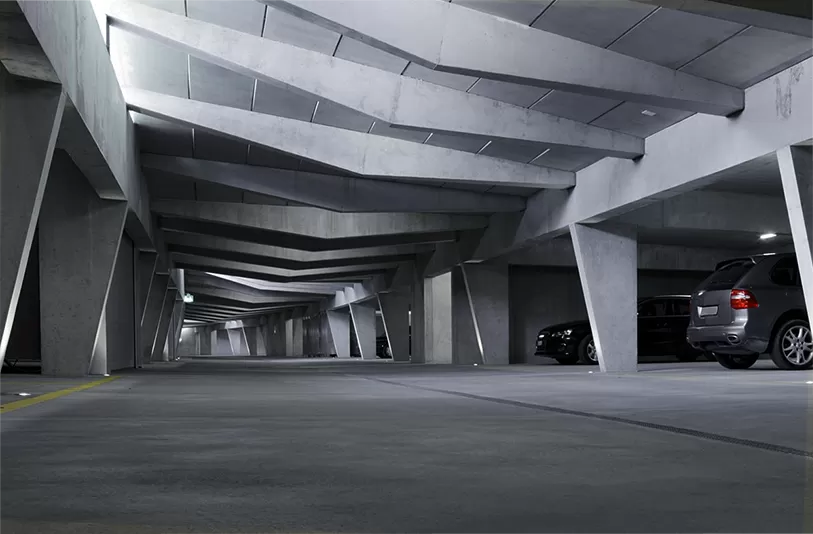
As structures age, they require repair and retrofitting strategies to restore load-bearing capabilities and resist environmental wear. SINO-SINA delivers complete macro-scale engineering answers by linking chemical science with civil engineering.
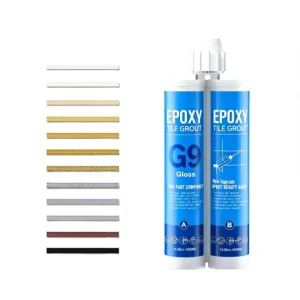
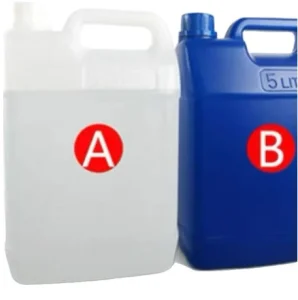
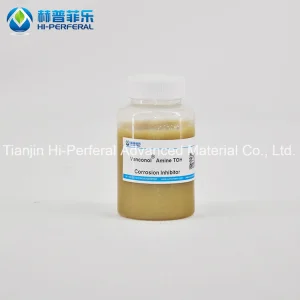
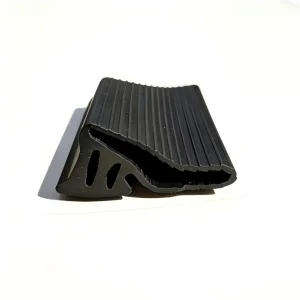
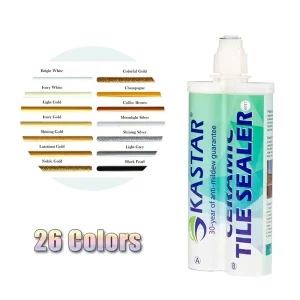
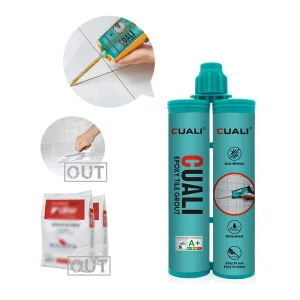
Our solutions feature high-performance epoxy bonding agents, crack-filling sealants, and non-shrink grouting compounds. Utilizing the strong adhesion properties of T-31 Epoxy Curing Agents and elastic concrete pipe crack sealants, we help engineers repair structural defects in bridges, highway overpasses, and water-retaining structures.
By pairing high-strength structural mortars with chemical retarders, we enable rapid repairs on highways and airport runways. This minimizes down-time, returning critical transit assets to service quickly.
Navigating standards compliance, optimizing bulk logistics, and delivering tailored formulations for international project sites.
We supply detailed certification packets (ASTM, EN, CE, ISO 9001/14001) with every order. Our technical department collaborates directly with your engineering leads to ensure that chemical dosages and material safety data sheets (MSDS) align with local environmental and occupational safety laws.
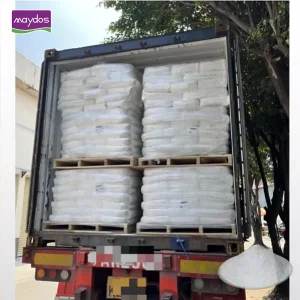
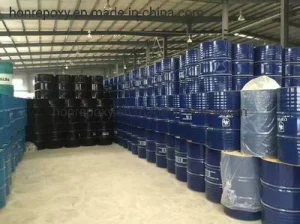
Hydraulic cements are highly sensitive to ambient humidity. To prevent pre-hydration during sea freight, we ship products in multi-wall, PE-lined, UV-stabilized bags or bulk jumbo bags, stacked on reinforced pallets and wrapped in heavy-duty shrink-wrap. We work with major shipping lines to secure stable shipping windows.
Environmental conditions differ across project sites. A hot desert region requires a different formulation than a sub-zero mountain pass. We adjust chemical ratios—such as PCE water-reducing values and accelerator doses—to maintain stable open times and meet setting-time specifications on site.
Collaborate with our chemical engineers to optimize your mix designs. Get detailed chemical analysis reports, physical test certs, and wholesale pricing for your project.
Contact Our Engineering TeamKey technical questions answered by our engineering and quality control departments.
Discover our range of waterproofing membranes, high-durability epoxy sealants, titanium dioxide pigments, and concrete repair solutions.
 Shengchuang Building