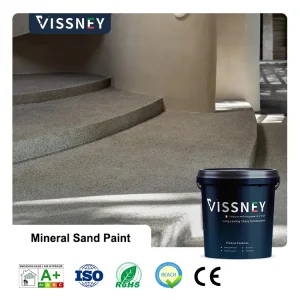
Explore Shengchuang (SINO-SINA) high-performance concrete repair, additive, and sealing solutions engineered to maximize structural lifespans.
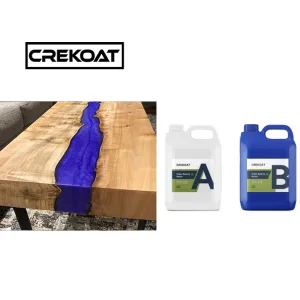
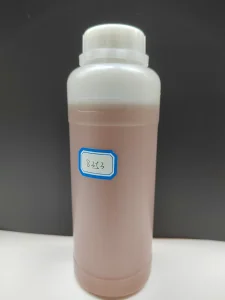
A comprehensive analysis of autogenous healing, microbial matrixes, and molecular structural enhancement in the next generation of civil engineering.
Traditional cement structures suffer from inevitable micro-fissures driven by environmental cycling and mechanical loads. Autogenous and microbial self-healing concrete material solutions shift the envelope from reactive maintenance to active, pre-engineered matrix crystallization.
We are a national high-tech enterprise that has been dedicated to the field of special concrete structure construction, bonding, reinforcement, and protection since 2008. We boast numerous patents covering bridge, tunnel, concrete structure reinforcement systems, and concrete repair technologies. Our scientific frameworks leverage multi-phase concrete admixtures, early-strength agents, and complex polymer barriers to preserve structural integrity.
We offer a comprehensive range of products including concrete admixtures, specialized mortars/grouts, epoxy resins, concrete repair materials, structural strengthening systems, and innovative construction solutions. Our formulations align with international standards including ASTM C1202, BS EN 12390, and ISO 14001, assuring global infrastructure agencies of absolute material consistency and high reliability.
Visualizing the evolution of structural materials from simple hydration products to smart, self-monitoring bio-synthetic systems.
Integration of active chemical agents, such as PCE (Polycarboxylate Superplasticizer) mother liquids and sodium naphthalene sulfonates, to densify concrete matrices. Under exposure to water, unhydrated cement core particles interact with crystalline promoters, triggering calcium silicate hydrate (C-S-H) crystal growths that physically plug micro-cracks up to 0.3mm.
Embedding discrete silica-shell or polymeric micro-capsules directly within the concrete matrix. When crack propagation fractures these micro-capsules, the stored healing liquids (such as specific low-viscosity epoxy resins or polyurethane precursors) flow into the void, polymerizing instantly on contact with air and moisture to re-establish chemical bonding and seal the fissure.
Utilizing bacterial spores (e.g., Bacillus pseudofirmus or Sporosarcina pasteurii) along with organic nutrients (calcium lactate) directly in the dry mix. Spores remain dormant for decades until structural cracks introduce oxygen and water. The activated microbes metabolize nutrients to generate calcite precipitates (CaCO3), permanently healing the concrete internally through a biological cycle.
How our concrete technologies and protection systems are deployed across diverse geotechnical and civil contexts.
| Infrastructure Class | Key Performance Challenges | Recommended Material / Admixture Solution | Primary Action Mechanism |
|---|---|---|---|
| Marine Structures & Harbors | Chloride ion ingress, reinforcing steel corrosion, waves erosion | Composite Amino Alcohol Type Rust Inhibitor + Crystalline Admixtures | Passivates the steel surface; crystalline growth blocks microscopic water pathways. |
| High-Speed Rail & Bridge Decks | Dynamic load fatigue, micro-fissuring, vibration damage | PCE Early Strength Concrete Admixtures + High Elastic Protective Coatings | Reduces water-to-binder ratio; forms a flexible, energy-dissipating surface skin. |
| Green Roof Systems | Root penetration, constant dampness, microbiological rot | Multi-Functional Polymer Modified Mortar for Green Roof Systems | Provides high shear resistance while serving as a chemically active root barrier. |
| Industrial & Commercial Flooring | Abrasive wear, chemical spills, impact cracks | Epoxy Terrazzo Flooring + Polyamide Curing Agents | Creates a seamless, high-crosslink polymer barrier that resists heavy machinery impact. |
Leveraging continuous synthesis technology, automated packaging lines, and rigorous validation methods to guarantee on-time global supply.
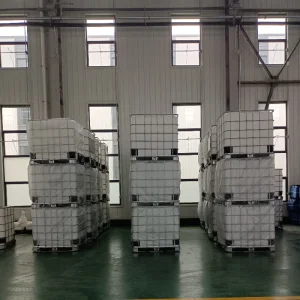
Our state-of-the-art facilities rely on fully automated, SCADA-driven synthesis systems to manufacture PCE mother liquids, water-reducing agents, and epoxy resins. By maintaining closed-loop reactor environments, we ensure molecular weight distributions remain uniform from batch to batch, guaranteeing consistent onsite setting times.
Every single metric ton of concrete admixture leaving our shipping bays undergoes a battery of quality verification tests. This includes high-performance liquid chromatography (HPLC) for monomer conversion rates, concrete slump-retention audits, and capillary water absorption assays under ASTM criteria.
With direct pipelines to major ocean ports, we coordinate high-capacity bulk liquid containers (ISO tanks), dry bags, and customized IBC totes. Our deep alliances with global shipping consortia insulate international EPC projects from container volatility and port bottlenecks, guaranteeing uninterrupted material flow.
A guidance framework designed for procurement departments, civil engineers, and quality assurance specialists when sourcing from China.
For hot-climate casting, sourcing PCE retarding admixtures is vital to maintain concrete workability. Conversely, cold-climate projects demand early-strength mother liquids like our PCE 157L to accelerate demolding times and reduce thermal heating costs during initial cure.
Infrastructure exposed to chemical runoff, agricultural sulfur, or acidic soils requires multi-functional polymer-modified mortars and non-yellowing epoxy barriers. Evaluating local soil analysis reports assists us in adjusting chemical dosages to prevent premature matrix degradation.
We work in lockstep with global testing agencies (SGS, TUV, Bureau Veritas) to verify that all materials conform to regional building regulations. We provide certified Mill Test Reports (MTR), Safety Data Sheets (SDS) in native languages, and environmental declarations to simplify customs clearance.
Our R&D team answers high-intent technical questions regarding self-healing mechanics, application guidelines, and long-term durability metrics.
Explore Shengchuang (SINO-SINA) comprehensive range of structural reinforcing agents, polycarboxylate powders, and industrial finishes.

 Shengchuang Building