Explore our premium structural materials, cementitious chemical admixtures, and specialty compounds manufactured at our advanced facility.
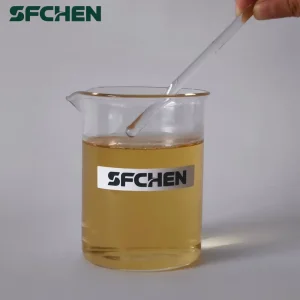
Engineered for cellular concrete applications, offering high stability under demanding mechanical pressures.
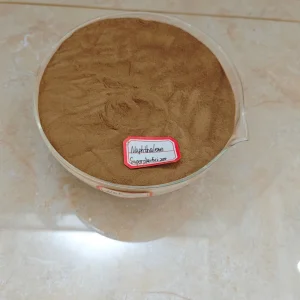
Increases structural concrete density, minimizing voids and boosting long-term thermal envelope effectiveness.
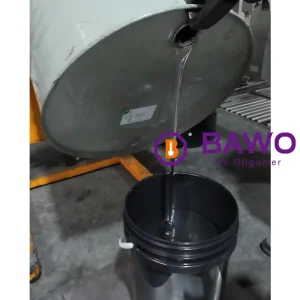
Advanced polymeric formulation delivering outstanding mechanical protection, moisture resistance, and leveling.
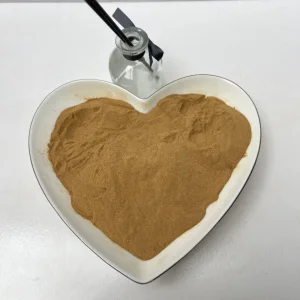
Slashes water requirement while boosting initial compressive strength parameters in precast systems.
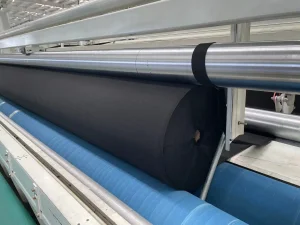
Critical element in structural insulation assemblies for soil stabilization, separation, and reliable drainage.
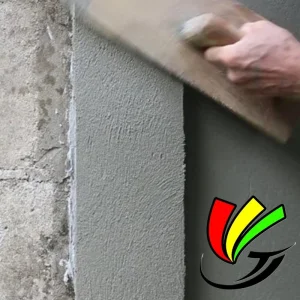
Formulated for rapid application on insulating surfaces, dramatically reducing exterior finishing cycle times.
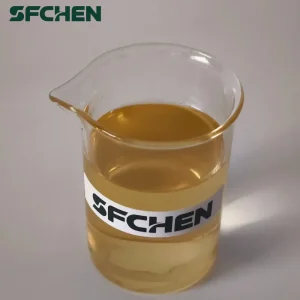
Improves freeze-thaw durability within the concrete core to prolong insulating envelope lifetimes.
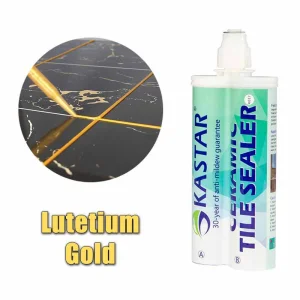
Ensures zero-shrinkage joints around critical sanitary seals, eliminating air leak pathways.
The global demand for high-efficiency thermal insulation boards is undergoing a seismic paradigm shift. Driven by rigorous international carbon mitigation targets—such as the EU Green Deal, ASHRAE 90.1 energy performance standards, and China's "3060" double carbon initiative—the construction sector is prioritizing ultra-low thermal conductivity envelopes. Thermal insulation is no longer merely a basic building code compliance measure; it is a critical strategy for life-cycle energy conservation in commercial high-rises, logistics cold storage, high-density residential structures, and high-tech cleanrooms.
In modern architecture, the continuous thermal barrier is the primary defense against thermal bridging. Materials like Polyurethane (PU), Polyisocyanurate (PIR), Extruded Polystyrene (XPS), and advanced Mineral Rock Wool must deliver long-term structural integrity alongside high thermal resistance. As a leading manufacturer, we develop thermal insulation boards that resist moisture intrusion, physical compression, and thermal degradation, ensuring stable performance over decades of service.
"Thermal drift in insulation systems is a major cause of post-occupancy energy consumption spikes. True technical leadership involves engineering stable cellular structures that retain blow gases, preserving R-values for the building's entire lifecycle."
Understanding the micro-molecular properties of insulation materials is essential for choosing the right system. Modern building envelopes utilize specific chemistries depending on the thermal demands, moisture levels, and fire safety ratings of the project site.
| Material Type | Thermal Cond. (W/m·K) | Compressive Strength (kPa) | Moisture Absorption (% vol) | Fire Class (EN 13501) |
|---|---|---|---|---|
| Polyisocyanurate (PIR) | 0.022 | 150 - 200 | < 1.5% | Class B-s2, d0 |
| Extruded Polystyrene (XPS) | 0.028 | 300 - 500+ | < 0.7% | Class E / B (Treated) |
| Vacuum Panels (VIP) | 0.004 | 150 - 200 | 0% (Sealed) | Class A / B (System-dependent) |
| Foamed Concrete Board | 0.055 | > 400 | < 8.0% | Class A1 (Non-Combustible) |
China's industrial leadership in the thermal insulation board sector is built on robust supply chain integration, advanced production automation, and rapid raw material scaling. At our state-of-the-art facility, we leverage advanced chemistry, including our proprietary naphthalene-based superplasticizers and high-efficiency concrete admixtures, to produce high-density cementitious insulation cores with minimal water content and maximum micro-cellular closed pores.
By integrating local material processing with continuous double-belt lamination lines, we achieve production rates that cut global lead times in half. This vertical integration allows us to customize facers—such as reinforced aluminum foil, fiberglass fleece, and craft paper—without typical OEM processing delays. Buyers gain a double advantage: tier-one mechanical performance and significant cost efficiencies that improve the ROI of global real estate investments.
We are a national high-tech enterprise dedicated to the construction, bonding, reinforcement, and protection of special concrete structures since 2008. We hold numerous patents covering bridge, tunnel, concrete structure reinforcement systems, and concrete repair technologies. This deep material expertise directly informs our high-performance thermal insulation systems.
Explore Shengchuang Concrete Hot Products: We offer a comprehensive range of products including concrete admixtures, specialized mortars/grouts, epoxy resins, concrete repair materials, structural strengthening systems, and innovative construction solutions designed to support modern building envelopes.
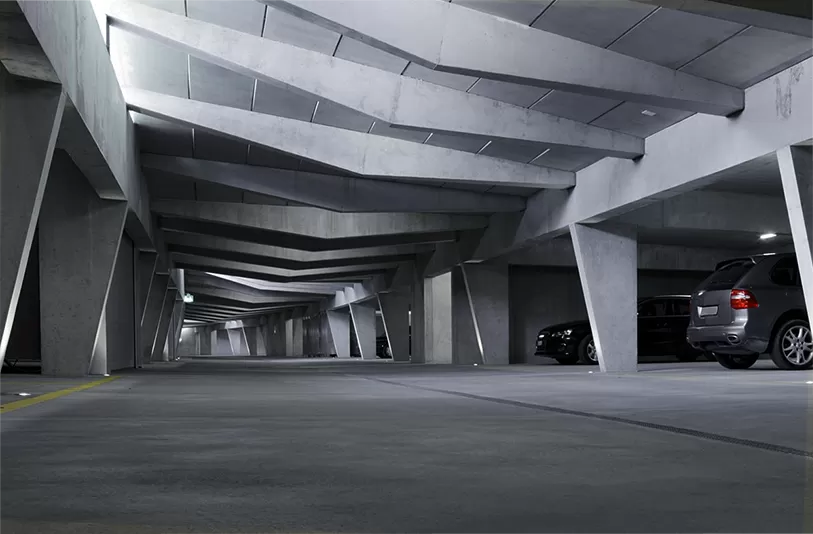
Insulation boards do not exist in a vacuum; they must perform reliably under local climatic pressures. Our engineering team assists specifiers in matching materials to specific site dynamics:
In high-latitude regions, building envelopes face extreme thermal differentials between interior heated spaces and exterior sub-zero air. Our high-density PIR and XPS systems prevent frost heave under foundations and stop internal condensation along perimeter beams. Integrating these systems with specialized dry-mixed cement mortars ensures reliable, long-term adhesion that withstands freeze-thaw cycles.
Sub-grade insulation boards are constantly exposed to groundwater and soil moisture. Standard materials can absorb water, which degrades their thermal resistance. Our high-compressive-strength XPS boards feature a fully closed-cell structure, providing consistent thermal performance in damp soils and coastal water tables.
Modern commercial architecture relies heavily on prefabricated facade systems. By combining ultra-high performance concrete cladding (UHPC) with our thin PIR core insulation boards, developers can achieve thin, lightweight walls that meet stringent Class A fire codes and modern thermal envelope requirements.
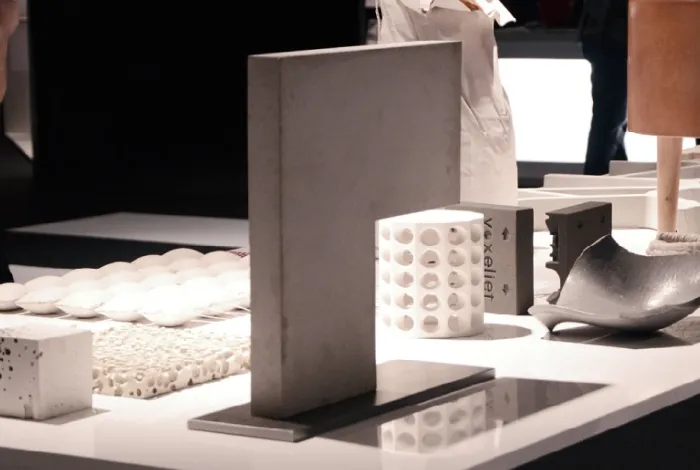
UHPC cladding panels (ultra-high performance concrete) are precast panels designed for architectural facades. UHPC provides exceptional strength, durability, and aesthetics. When paired with high-performance insulation board cores, these panels deliver complete structural protection and superior thermal control in a single facade system.
For international procurement managers, sourcing insulation materials requires careful risk management. Beyond price per square meter, logistics costs, volume constraints, and compliance certifications dictate the Total Cost of Ownership (TCO). Because thermal insulation boards are bulky, shipping air can quickly erode margins. Our shipping logistics team uses advanced compression packing and optimized shipping container volumes to maximize cargo density.
Additionally, we ensure full compliance with international standards, providing complete documentation including ASTM, CE, and ISO certificates. This thorough quality control prevents custom clearance delays and gives project engineers confidence that our materials will meet local code requirements.
Get answers to common technical, logistics, and manufacturing questions from our insulation engineering specialists.
The aging of closed-cell foam insulation, known as thermal drift, is caused by air diffusing into the cells and the blowing agent diffusing out. Using diffusion-tight facers, like aluminum foil, and optimizing cell density during manufacturing helps lock in the blowing gases, preserving high R-values over the long term.
We blend halogen-free flame retardants directly into the polyol mix during formulation. For extreme fire protection, we recommend our PIR boards, which form a protective char layer when exposed to heat, rather than melting like standard polystyrene.
Yes, our production lines can be adjusted to produce custom dimensions. We offer standard board dimensions (e.g., 1200mm x 600mm, 2400mm x 1200mm) and custom thicknesses ranging from 20mm to 200mm to meet specific project guidelines.
Typically, production takes 7 to 15 days from deposit confirmation. Our close proximity to major deep-water ports allows for fast dispatch, ensuring reliable delivery schedules for large global projects.
Our facility runs an ISO 9001-certified Quality Management System. We use automated inline scanners to verify thermal density and cell structure, along with regular laboratory testing for thermal conductivity, ensuring consistent product performance.
Yes. All of our insulation panels are free from CFCs and HCFCs. We focus on low-VOC, sustainable manufacturing processes that align with LEED and BREEAM building certifications.
Explore our specialized chemicals, corrosion inhibitors, and protective sealants formulated for harsh industrial applications.
Offers superior metal protection in acidic environments, extending the lifespan of mechanical equipment.
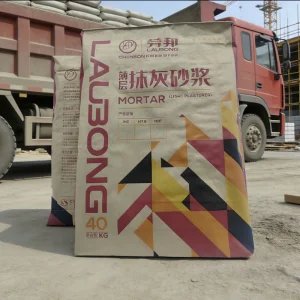
A high-adhesion bonding mortar designed for thermal envelope assemblies and EIFS installation.
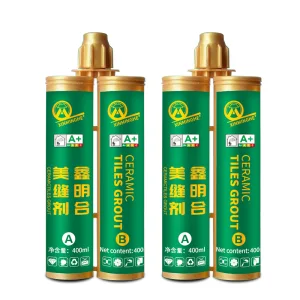
Provides a highly durable, waterproof joint seal that resists chemical exposure and mold growth.
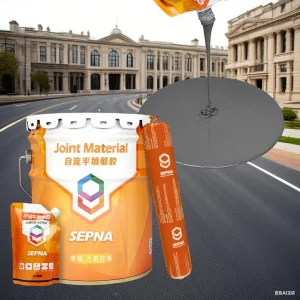
Highly flexible joint sealant that prevents air leaks and moisture intrusion along exterior walls.
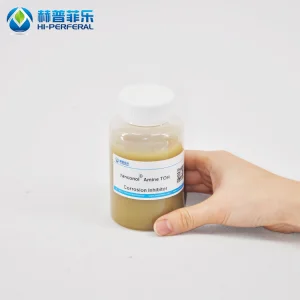
High-purity organic chemical compound designed to control corrosion in industrial process loops.
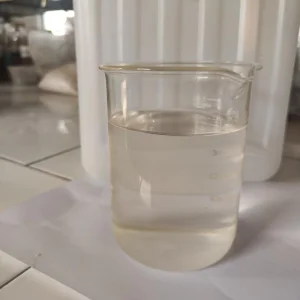
Allows for high water reduction and fast cycle times in precast concrete structural elements.
Provides high tensile strength for subgrade drainage, erosion control, and slope stabilization.
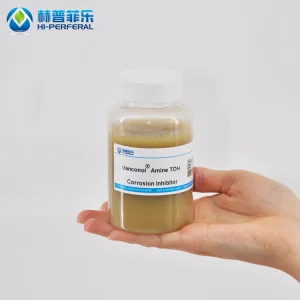
An industrial-grade corrosion inhibitor formulated to protect metal components in harsh environments.
 Shengchuang Building