Pioneering chemical configurations designed to optimize concrete workability, chemical resistance, mechanical durability, and curing rates under extreme conditions.
Modern mega-scale commercial, industrial, and infrastructure developments demand concrete casting solutions that offer a precise equilibrium of performance, scalability, environmental compliance, and cost predictability. Procurement directors in construction enterprises no longer seek simple chemical suppliers; instead, they target vertically integrated engineering partners capable of rendering highly customized structural systems.
Key procurement factors driving decision-making include: density consistency in high-range water reducers, molecular weight optimization of superplasticizers, environmental footprint certification (such as low-carbon footprint cements and chemical compliance certificates), and long-term chemical durability in marine or high-stress environments. SINO-SINA satisfies these structural procurement standards by offering standardized, traceably tested formulations compliant with ASTM, EN, and GB requirements, drastically reducing supply-chain risk.
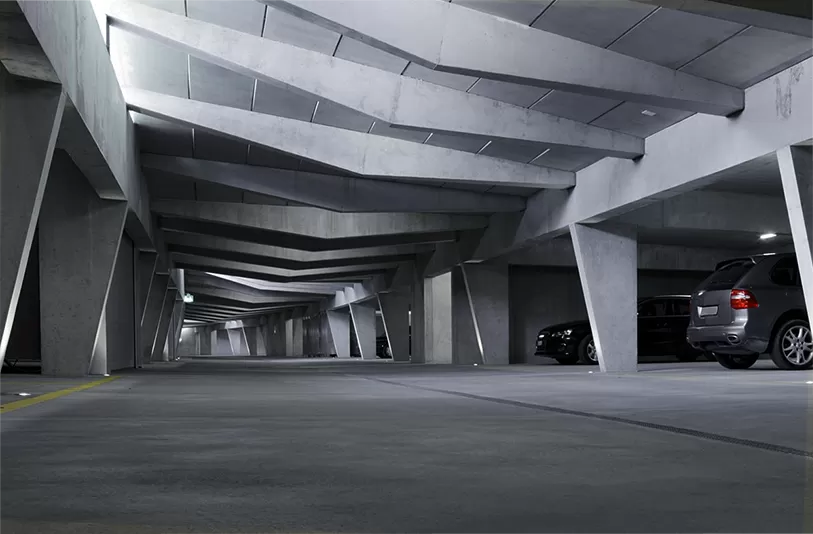
Unveiling the molecular dynamics and mechanics of concrete admixtures, polymers, and ultra-high performance matrices.
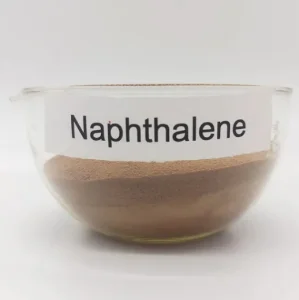
The development of Polycarboxylate Ether (PCE) superplasticizers has revolutionized cement hydration control. By introducing steric hindrance rather than simple electrostatic repulsion (which is characteristic of legacy sulfonated melamine or naphthalene formaldehydes), modified PCE structures keep cement particles separated over longer durations. This achieves up to a 32% reduction in mix water while maintaining slump retention and preventing rapid structural setting.
Ultra-High Performance Concrete (UHPC) operates on the principles of particle packing optimization (the Andreasen & Andersen packing model). By matching grain distributions of cement, silica fume, and fine quartz sand, and introducing reinforcing steel or polymer fibers, UHPC attains compressive strengths exceeding 150 MPa and flexural strengths over 25 MPa, providing exceptional architectural freedom and environmental resilience.
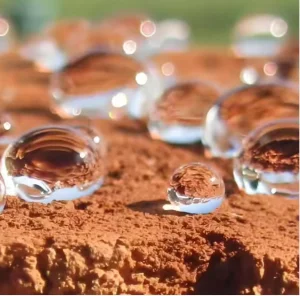
Penetrating agents such as Potassium Methylsiliconate interact chemically with atmospheric carbon dioxide and calcium hydroxide within the concrete matrix to form an insoluble, water-repellent methyl-silicone membrane. Unlike surface-bound physical coatings, this chemical reaction creates a hydrophobic depth profile, preventing capillary absorption of moisture, salt ions, and aggressive acids without choking vapor breathability.
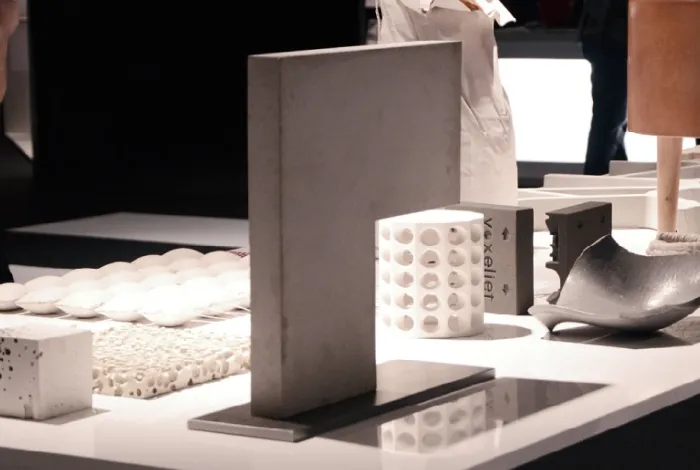
UHPC cladding panels represent the cutting edge of architectural design and materials engineering. As precast components, they allow for thinner facade designs, lower dead loads on building superstructures, and exceptionally long service lifespans under extreme freeze-thaw cycles, aggressive UV radiation, and heavy wind forces.
About SINO-SINA: We are a national high-tech enterprise that has been dedicated to the field of special concrete structure construction, bonding, reinforcement, and protection since 2008. We boast numerous patents covering bridge, tunnel, concrete structure reinforcement systems, and concrete repair technologies. This deep technological base ensures that our UHPC solutions, structural adhesives, and concrete additives meet high technical benchmarks for modern B2B civil engineering.
Bridging the gap between traditional chemistry, carbon neutrality, and digital quality assurance in concrete casting infrastructure.
Development focuses on bio-sourced polycarboxylates and geopolymers that reduce reliance on petrochemical materials while maintaining water reduction rates, optimizing early strength development in blended slag/fly-ash cements.
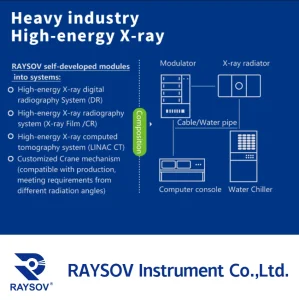
Integration of AI-driven Linear Accelerator (Linac) High Energy CT X-Ray detection systems. These non-destructive evaluation tools examine cured concrete cores and precast structures, locating micro-voids, voids, and rebar corrosion with high precision.
Crystalline waterproofing agents engineered to respond to moisture intrusion by actively growing micro-crystals in concrete capillaries, providing self-healing properties for dynamic concrete structures.
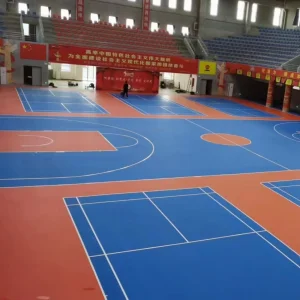
For B2B structural concrete projects, compliance is a non-negotiable metric. Our manufacturing operations comply with ISO 9001 and ISO 14001, and our formulations meet standard international structural codes. Whether evaluating concrete tennis court coatings or heavy-duty water-reducing admixtures for commercial foundations, our laboratory uses advanced chromatography and mechanical testing instruments to monitor every production batch.
This strict level of testing ensures that our products function reliably under diverse environmental circumstances, including hot-weather casting, high-rise pumping, chemical washdowns, and underwater casting. We provide complete chemical specifications, Material Safety Data Sheets (MSDS), and Certificate of Analysis (COA) documents for every order, guaranteeing field performance and site safety.
Each chemical compound undergoes third-party lab verification prior to dispatch, ensuring compatibility with municipal building codes and national standards.
Addressing essential technical inquiries regarding concrete performance, admixtures, repair solutions, and application processes.
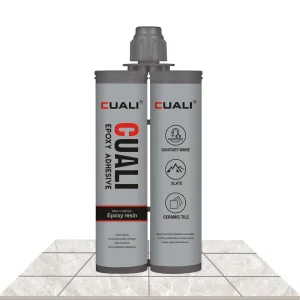
Browse our secondary selection of specialized concrete repair mortars, structural epoxies, and reinforcing synthetic fibers.
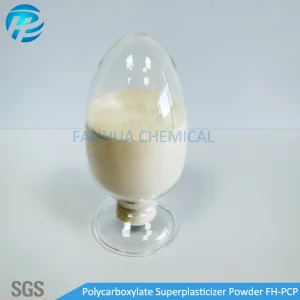
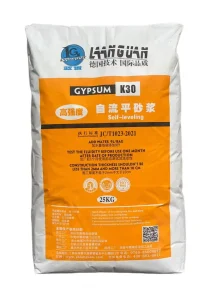
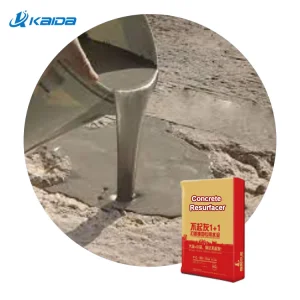
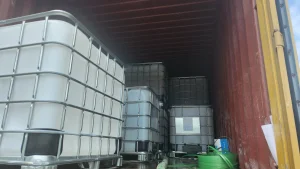
Explore Shengchuang Concrete Hot Products. We offer a comprehensive range of products including concrete admixtures, specialized mortars/grouts, epoxy resins, concrete repair materials, structural strengthening systems, and innovative construction solutions. Contact our laboratory technicians directly to specify batch sizes, active ingredient concentrations, and localized packaging configurations.
 Shengchuang Building