Explore our high-performance concrete surface treatments, specialized mortars, and chemical additives engineered for global commercial, industrial, and infrastructure project specifications.
Established as a premier technological pioneer, we are a national high-tech enterprise dedicated to the specialized field of special concrete structure construction, bonding, reinforcement, and chemical protection. Our core competencies lie in formulating advanced chemistries and structural systems that resolve complex civil engineering challenges globally.
Since our inception in 2008, we have secured numerous patents covering high-stress bridges, complex tunnel lining systems, deep sub-grade concrete structure reinforcement, and self-healing concrete repair technologies. By integrating polymer science with micro-cementitious matrices, we support designers, contractors, and asset owners in mitigating the costly impacts of concrete deterioration.
Whether addressing mechanical erosion, carbonation, chemical penetration, or seismic vulnerabilities, our structural reinforcement methodologies guarantee structural longevity and exceptional compliance with international building codes.
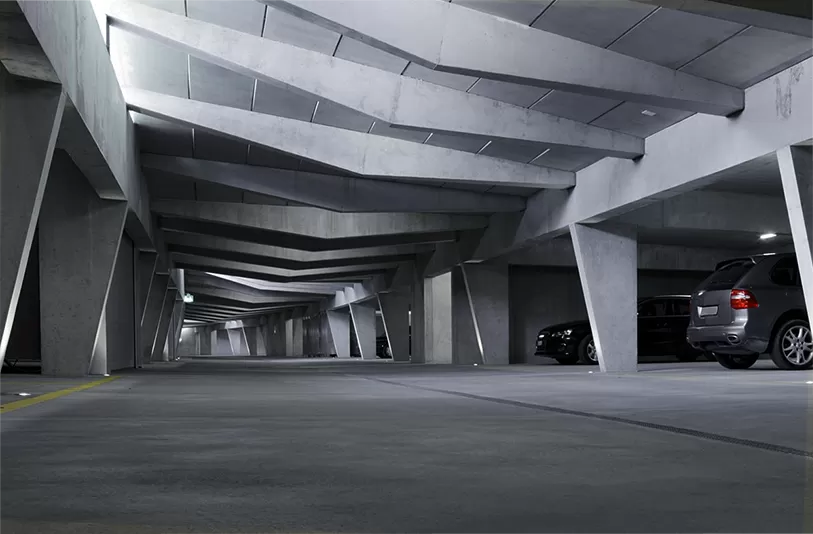
A comprehensive overview of our chemical solutions, material properties, and testing parameters compared to standard industry counterparts.
| Treatment/Material Category | Key Chemical / Physical Mechanics | Target Applications | Durability Improvement (vs Standard) | Compliance & Quality Standards |
|---|---|---|---|---|
| Ultra-High Performance Concrete (UHPC) | Silica fume packing optimization, high tensile steel fiber matrix, low w/b ratio (<0.18) | Bridge joints, thin cladding panels, heavy industrial overlay protection | +300% Compressive & Flexural Strength | ASTM C1856, EN 206 Class Compliant |
| Polycarboxylate Ether (PCE) | Steric hindrance dispersion mechanism, high water reduction up to 40% | Self-consolidating concrete (SCC), high-strength precast structures | Improved slump retention and carbonation resistance | ASTM C494 Type F, EN 934-2 |
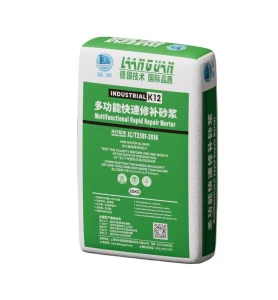
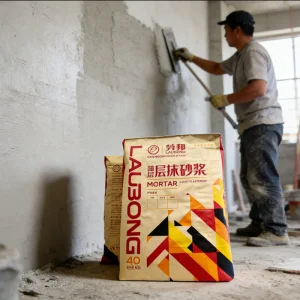
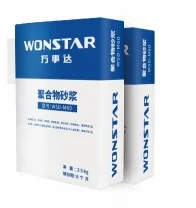
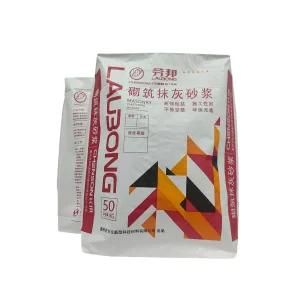
| Polymer-Modified Anti-Crack Mortar | Redispersible polymer powder network, fiber-reinforced tensile dispersion | Spall repair, facade restoration, structural patch repair | High shear bond strength and micro-crack bridging capacity | EN 1504-3 Class R4 Requirements |
| Water-Based Polyurethane Coating | Elastomeric cross-linked polymer film, seamless zero-VOC vapor barrier | Aquatic waterproofing, pools, wastewater treatment plants | High resistance to continuous hydrostatic pressure | GB/T 23445, ISO 11600 Class Compliant |
Our concrete treatments work at the molecular level, introducing active crystalline catalysts that penetrate deep into the capillaries of the concrete, reacting with free lime to block porous pathways permanent.
By leveraging proprietary Polycarboxylate Ether (PCE) configurations, our concrete surface chemical additives maximize fluidity without segregation, optimizing the surface finish and density during curing.
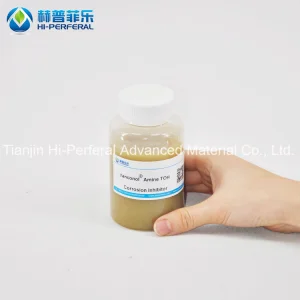
Formulated with raw materials like tall oil hydroxyethyl imidazoline, our treatments protect reinforcing steel rebar against chloride-induced pitting, crucial for maritime and high-salinity highway networks.
Ultra-High Performance Concrete (UHPC) cladding panels (also known as UHPC panels) represent the architectural pinnacle of modern building envelopes. This specialized composite cementitious material possesses exceptional compressive strength (typically exceeding 120-150 MPa), outstanding flexural durability, and zero-capillary aesthetic profiles.
Our UHPC cladding panels are engineered to perform under extreme load conditions. By reducing structural dead weight while providing superior resistance to wind, seismic shifts, and ambient moisture, they offer architects unlimited design freedom. The extremely low porosity of our UHPC matrix prevents acid rain ingress, freeze-thaw cracking, and structural discoloration over time.
From conceptual facades to heavy industrial protection plates, our customizable UHPC configurations represent a quantum leap in architectural lifespan, drastically lowering maintenance lifecycles and enhancing energy efficiency ratings.
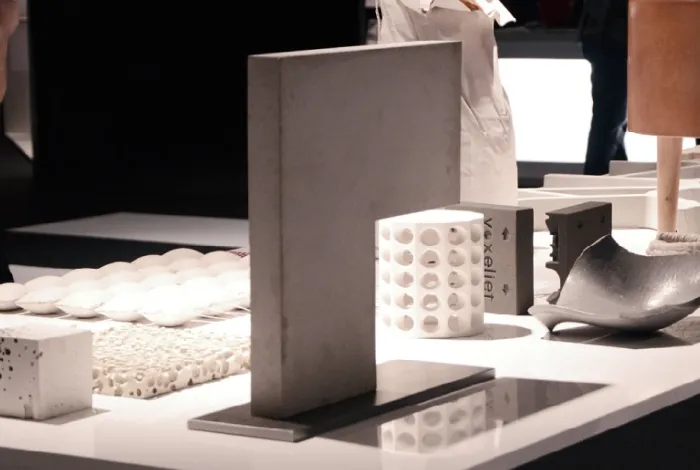
Addressing distinct environmental, architectural, and geographic challenges with customized structural surface treatments.
High temperatures combined with airborne chlorides accelerate corrosion. Our customized deep-penetrating silane-siloxane impregnations and PCE superplasticizers minimize micro-crack creation, keeping chloride ions away from core structural rebar in maritime port infrastructure.
In high-latitude regions, water expansion within concrete voids destroys internal structure. Our freeze-thaw resilient polymer-modified repair mortars and anti-crack overlays maintain elasticity down to -40°C, blocking moisture intrusion and limiting micro-spalling.
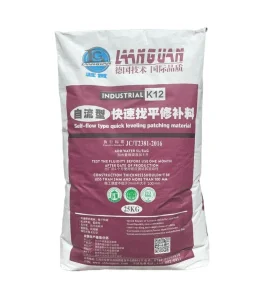
Transit tunnels, highways, and bridges demand rapid-setting repairs to minimize economic downtime. Our specialized quick-curing self-leveling compounds and high-strength polymer reinforcement mortars return structures to full service load capacity in under 24 hours.
How our Chinese production base delivers unmatched efficiency, scale, and customizable logistics to global markets.
Operating in proximity to China's leading chemical refining hubs allows us to source raw monomers (such as acrylics, urethanes, and specialized amines) with zero supply-chain friction, sheltering our global clients from volatile pricing swings.
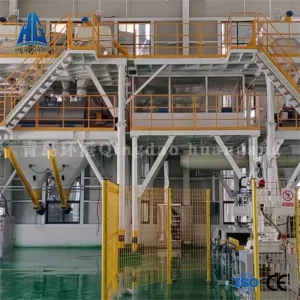
Our automated production facilities feature real-time PLC blending monitoring, ensuring consistent polymer cross-linking and precise dry-mix compounding batch after batch. We scale output from small custom batches to bulk maritime orders effortlessly.
Located near major deep-water ports, we deploy dedicated customs clearance support, moisture-controlled container shipping, and localized warehousing partnerships to assure on-time jobsite delivery across Europe, the Americas, and APAC.
Years of Engineering R&D
Patents in Special Concrete Repair
Countries Exported Worldwide
Structural Failure Rate
Our journey of research, technological breakthroughs, and future developments in sustainable construction chemicals.
Initiated research into special concrete bonding agents and polymer-modified cementitious repair systems, serving domestic infrastructure projects.
Developed proprietary Polycarboxylate Ether (PCE) chemical modifications, acquiring national patents for deep-penetration concrete reinforcements in bridge and tunnel applications.
Introduced advanced Ultra-High Performance Concrete (UHPC) cladding systems and high-durability hydrophobic sealants, expanding into global architectural markets.
Currently engineering intelligent crystalline treatments incorporating biological self-healing enzymes to autonomously seal micro-fissures in real time.
Technical guidance and application insights from our senior material science engineers.
While naphthalene-based admixtures disperse cement particles through electrostatic repulsion, Polycarboxylate Ether (PCE) utilizes steric hindrance. The comb-like structure of PCE polymers prevents particles from flocculating much more effectively, enabling water reduction rates up to 40% (compared to 15-25% for naphthalene-based agents) with significantly lower dosages. This results in superior slump retention, reduced shrinkage, and higher early-stage compressive strength development.
The resilience of UHPC panels and structural materials lies in their ultra-dense particulate packaging. By selecting precise particle sizes ranging from silica fume (nanometer scale) to fine quartz sand (micrometer scale) and maintaining an extremely low water-to-binder ratio, we eliminate structural capillary voids. This prevents water, salt, and gaseous CO2 from penetrating the matrix, rendering the concrete virtually immune to carbonation, freeze-thaw cycles, and acid attacks.
Tall oil hydroxyethyl imidazoline acts as an organic corrosion inhibitor. In cracked or highly porous concrete exposed to marine salt spray, chloride ions migrate towards the internal steel reinforcement, causing oxidation. Our inhibitor forms a monomolecular hydrophobic passivation film directly on the steel rebar, blocking oxygen and moisture access, thereby arresting the electrochemical corrosion process and extending structural life.
Selection depends on substrate conditions, dynamic loads, and layer thickness. For non-structural aesthetic repairs, high elasticity and crack-bridging capacities (regulated by redispersible polymer powder content) are paramount. For structural repairs under high shear loads, the mortar must conform to EN 1504-3 Class R3 or R4, prioritizing high compressive strength, thermal compatibility, and dynamic bond strength to the existing concrete.
We offer a comprehensive range of products including concrete admixtures, specialized mortars/grouts, epoxy resins, concrete repair materials, structural strengthening systems, and innovative construction solutions.
 Shengchuang Building