Explore our high-performance formulation array, built to meet stringent international standards for structural longevity, bond strength, and environmental compatibility.
An in-depth analysis of formulation chemistry, rheological control, and structural performance standards.
Dry mix mortar technology represents a monumental shift in construction engineering, replacing traditional, inaccurate on-site mixing with highly controlled, pre-blended formulations. The optimization of dry mix mortars is governed by physical chemistry, requiring a delicate balance of binder systems, mineral aggregates, and chemical admixtures. As global skyscrapers, marine installations, and transit infrastructure face increasingly severe environments, custom formulation development has transitioned from a premium option to a structural necessity.
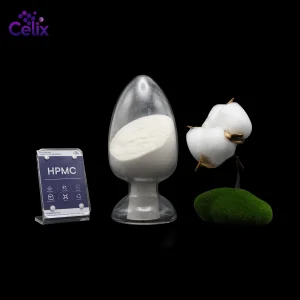
At the center of dry mix technology lies water retention and open-time optimization. Unmodified cementitious systems lose water rapidly to porous substrates, resulting in incomplete hydration of the clinker phases and subsequent cracking, dusting, or delamination. By introducing custom-engineered Hydroxypropyl Methylcellulose (HPMC) and Redispersible Polymer Powders (RPP), manufacturers modify the hydration kinetics. The polymer particles form an interconnected elastomeric network throughout the mineral matrix, bridging micro-cracks and absorbing structural stress while drastically improving shear bond strength.
Utilizing high-performance ethylene-vinyl acetate (EVA) and acrylic redispersible powders to elevate flexural tension resistance, adhesion, and freeze-thaw durability.
Controlling slip-resistance and thixotropic behavior in adhesive mortars to allow vertical tile cladding without sag, optimizing industrial workflows.
Achieving stable hydration windows under elevated ambient temperatures (exceeding 40°C), preserving workability and preventing surface skinning.
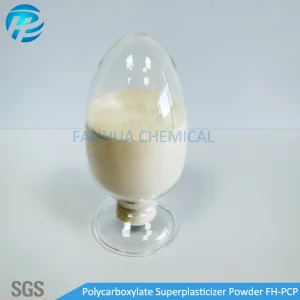
Additionally, modern dry mix chemistry addresses specific localized challenges such as efflorescence control, sulfate resistance, and early-strength development. Incorporating advanced admixtures, such as customized calcium aluminate cements and polycarboxylate ether (PCE) superplasticizers, enables factories to design self-leveling underlayments, repair grouts, and high-performance adhesives that cure rapidly without compromising structural stability.
We are a national high-tech enterprise dedicated to the specialized fields of structural construction, bonding, reinforcement, and protection since 2008. We hold numerous patents covering bridge, tunnel, concrete structure reinforcement systems, and concrete repair technologies.
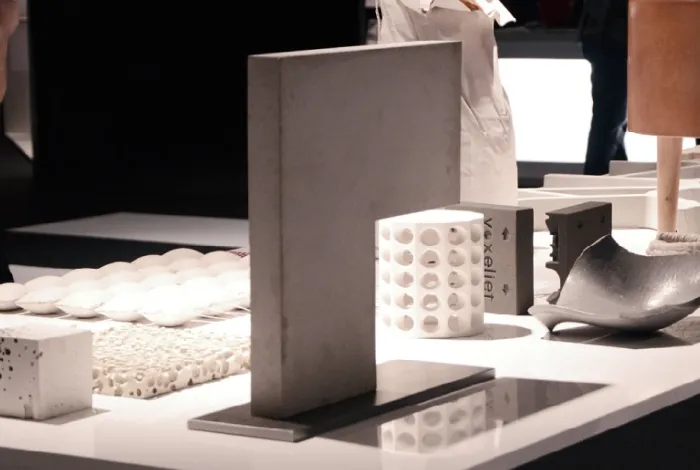
Our commitment to engineering innovation is demonstrated by our next-generation concrete technologies, including Ultra-High Performance Concrete (UHPC) Cladding Panels. These precast systems leverage exceptional compressive strengths, low permeability, and custom structural designs to deliver aesthetic cladding panels for modern architectural facades.
Explore Shengchuang Concrete Hot Products: Our product lines span high-yield chemical admixtures, specialized polymer-modified mortars, epoxy resins, and structural strengthening systems designed to perform under demanding conditions.
Global infrastructure procurement requires a reliable balance of cost efficiency, quality assurance, and logistic capability. Chinese dry mix factories have evolved from high-volume manufacturers into technologically advanced centers of material science, leading global supply chains in several key areas:
Dry mix mortars are not generic solutions. Local environmental conditions demand tailored formulations to ensure structural integrity:
Arid & Coastal Middle East: Requires mortars with high water retention properties and sulfate-resistant cement blends (Type V) to resist aggressive marine salts and prevent premature drying under desert heat.
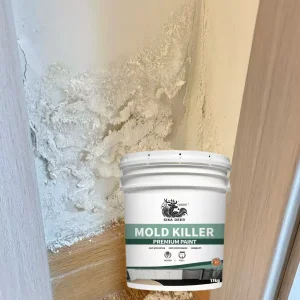
Humid & Tropical Southeast Asia: Demands anti-microbial, mold-resistant structural grouts and tile adhesives designed to withstand high humidity and sudden thermal shifts without losing bond strength.
Sub-Zero Arctic & Northern Climates: Calls for cold-curing polymer modified cement mortars that hydrate rapidly at low temperatures and withstand continuous freeze-thaw cycles without fracturing.
The global dry mix mortar industry is undergoing a green transition driven by carbon reduction mandates, high-performance polymer developments, and automated construction technologies. The industry's evolution centers on three primary technological fronts:
First, the incorporation of decarbonized binders is changing the base chemistry of dry mixes. Factories are substituting standard Portland clinker with mineral additions like blast furnace slag, fly ash, and calcined clays. This reduces the carbon footprint of structural mortars by up to 40% while enhancing long-term sulfate resistance and density.
Second, the rise of 3D Concrete Printing (3DCP) Mortars requires advanced rheological properties. Unlike traditional plastering or screeding mortars, 3DCP dry mixes must demonstrate high buildability (the capacity of wet mortar to support subsequent layers without collapsing) alongside a controlled setting time. Achieving this requires precise dosing of crystalline admixtures, microfiber reinforcers, and hydration accelerators.
Finally, smart coatings and self-healing admixtures are gaining traction. By integrating micro-encapsulated polymers or crystalline catalysts, the mortar can automatically repair micro-fissures upon contact with ingress moisture, extending the design life of tunnels, bridges, and foundation structures.
Expert answers addressing chemistry, quality control, international compliance, and customization processes.
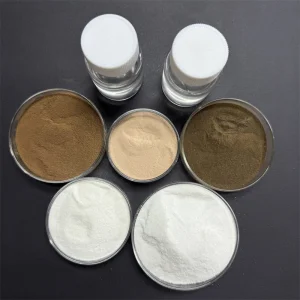
Hydroxypropyl Methylcellulose (HPMC) acts as a thickener and water retention agent, ensuring the cement paste remains hydrated over a longer period, particularly on highly porous substrates. Redispersible Polymer Powder (RPP) enhances the cured mortar's flexural strength, cohesive adhesion, and elasticity, enabling it to absorb shear stresses caused by thermal expansion or structural movement.
Consistency is maintained through computerized gravimetric dosing systems that monitor raw material inputs within tolerances of +/-0.1%. Every batch undergoes strict quality control testing, analyzing parameters such as wet density, air content, flowability, open time, and 28-day compressive strength before shipment.
Yes. Our R&D facility routinely designs custom formulations to meet international standards. This includes ASTM C270 (for masonry mortars), EN 12004 (for tile adhesives), and EN 1504 (for concrete repair products), complete with full lab certification.
Standard packaging provides a shelf life of 12 months when stored in a cool, dry place. For tropical regions with high relative humidity, we utilize heavy-duty, moisture-resistant PE/PP woven composite bags or vacuum-sealed paper bags to prevent pre-hydration and clumping.
By clustering raw material synthesis (polymers, cellulose ethers, additives) alongside deepwater shipping ports, logistics and material sourcing overheads are reduced. These savings are passed directly to buyers through competitive pricing, even for custom formulas.
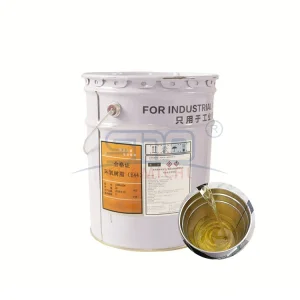
Discover our engineered admixtures, high-durability epoxy sealers, and specialized repair mortars designed for modern infrastructure construction.
 Shengchuang Building